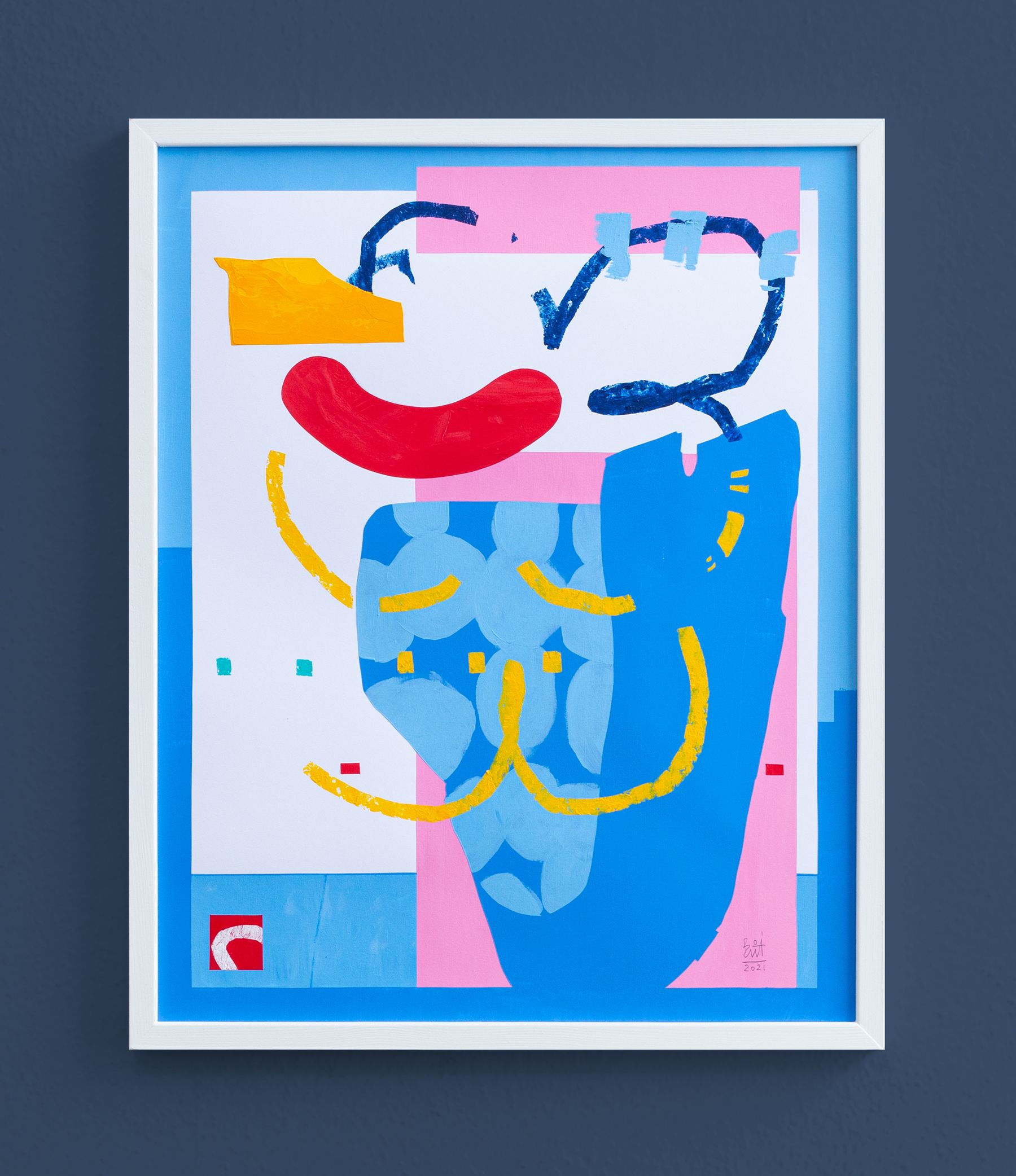
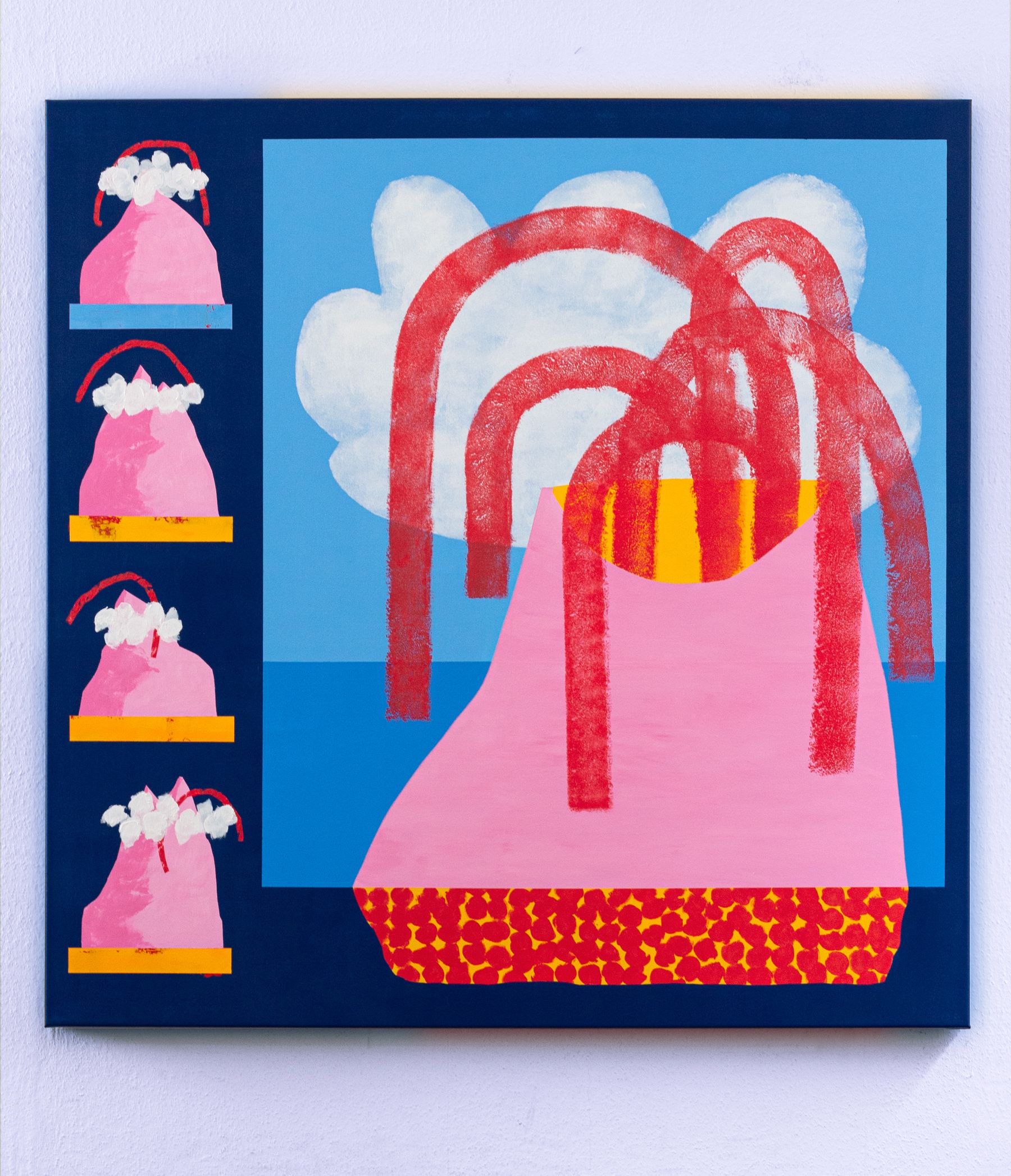
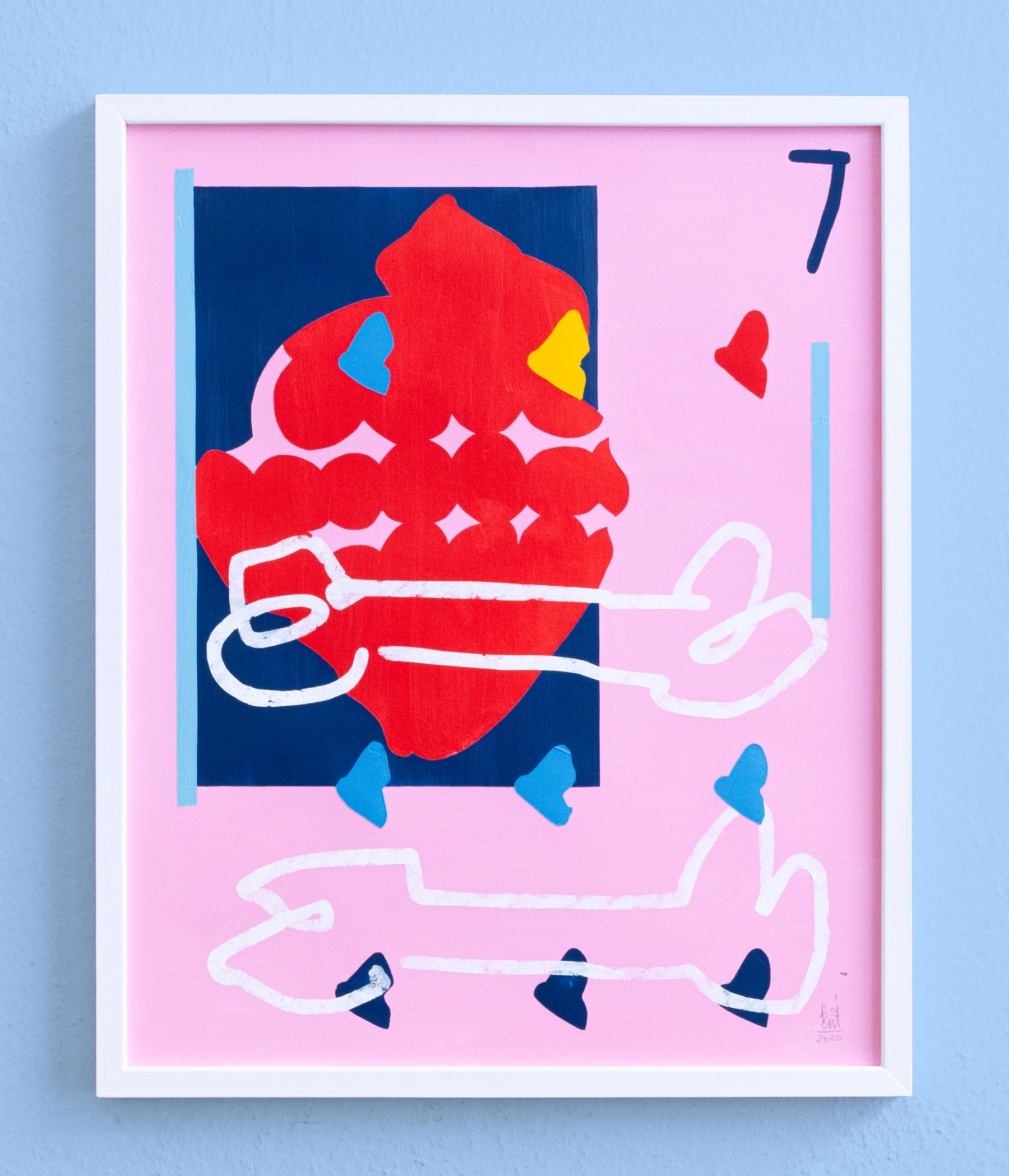
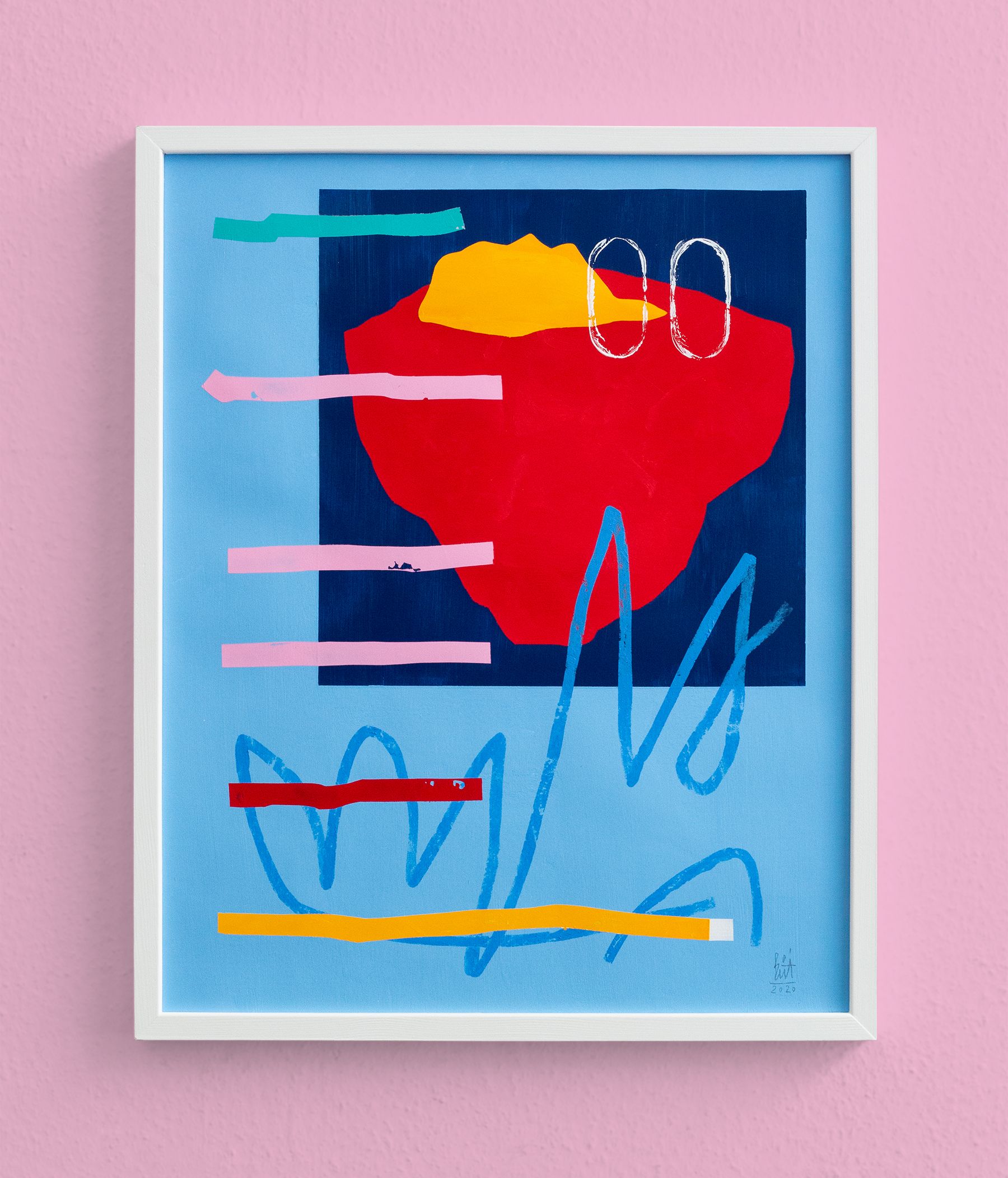
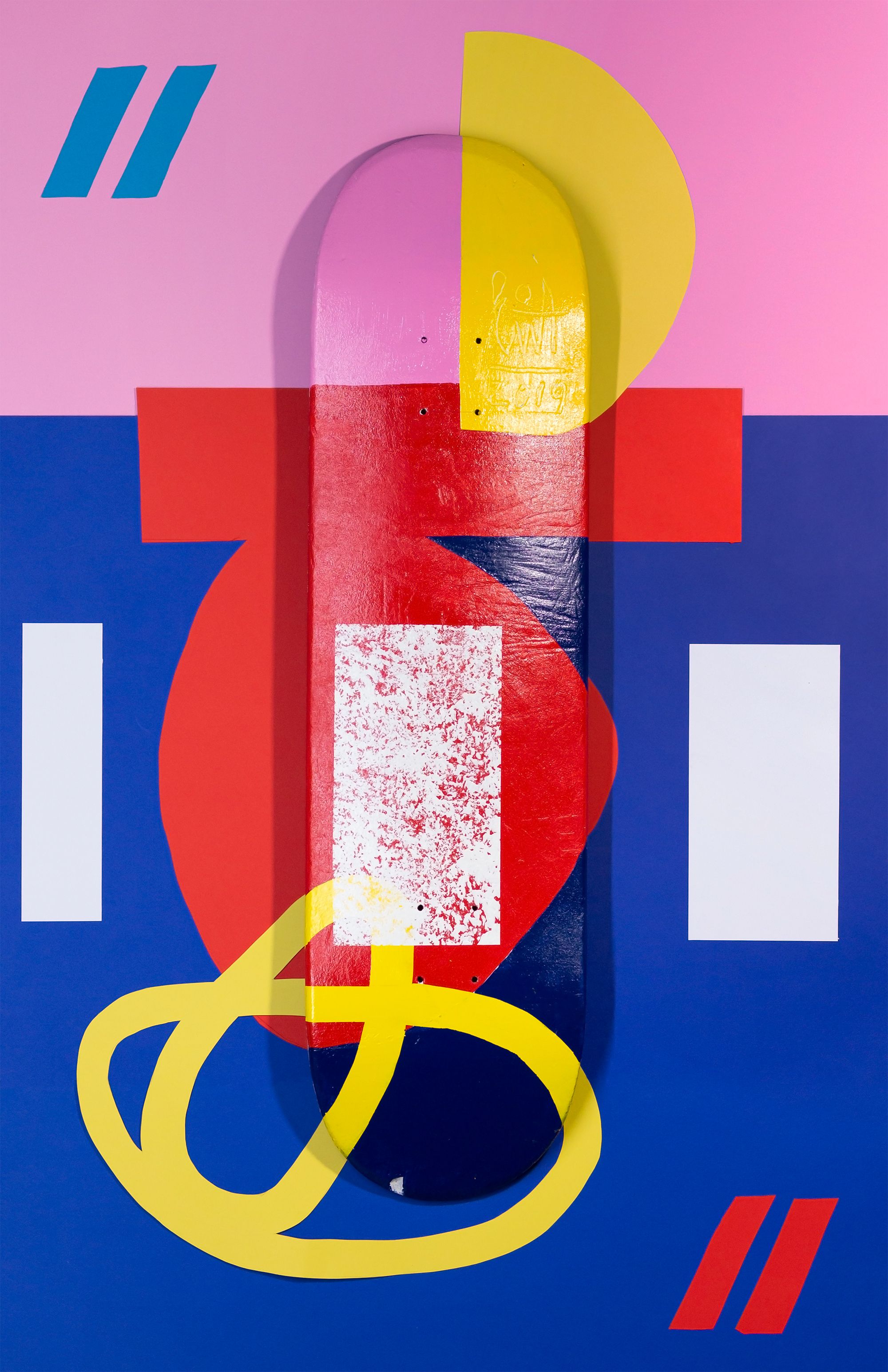
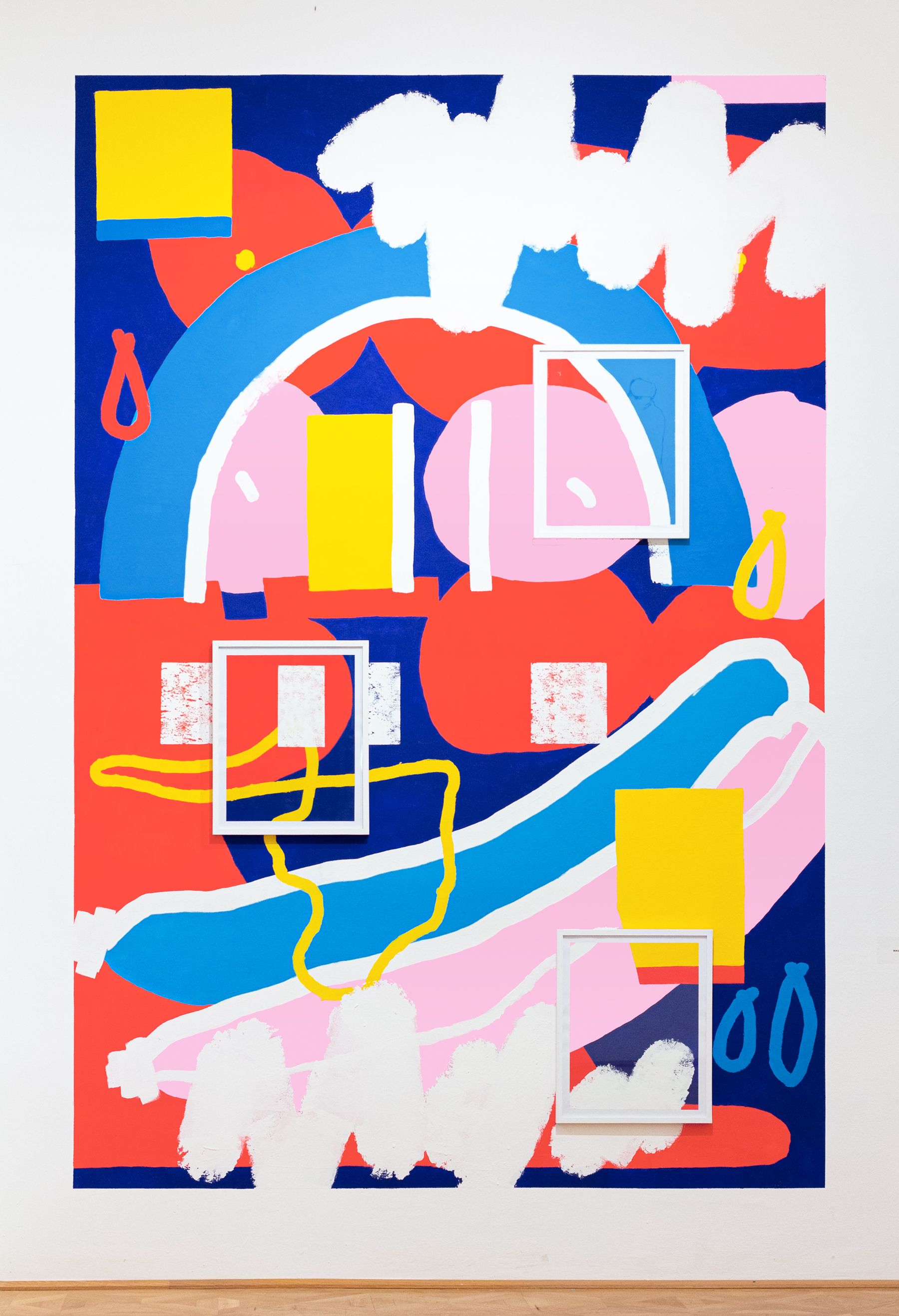
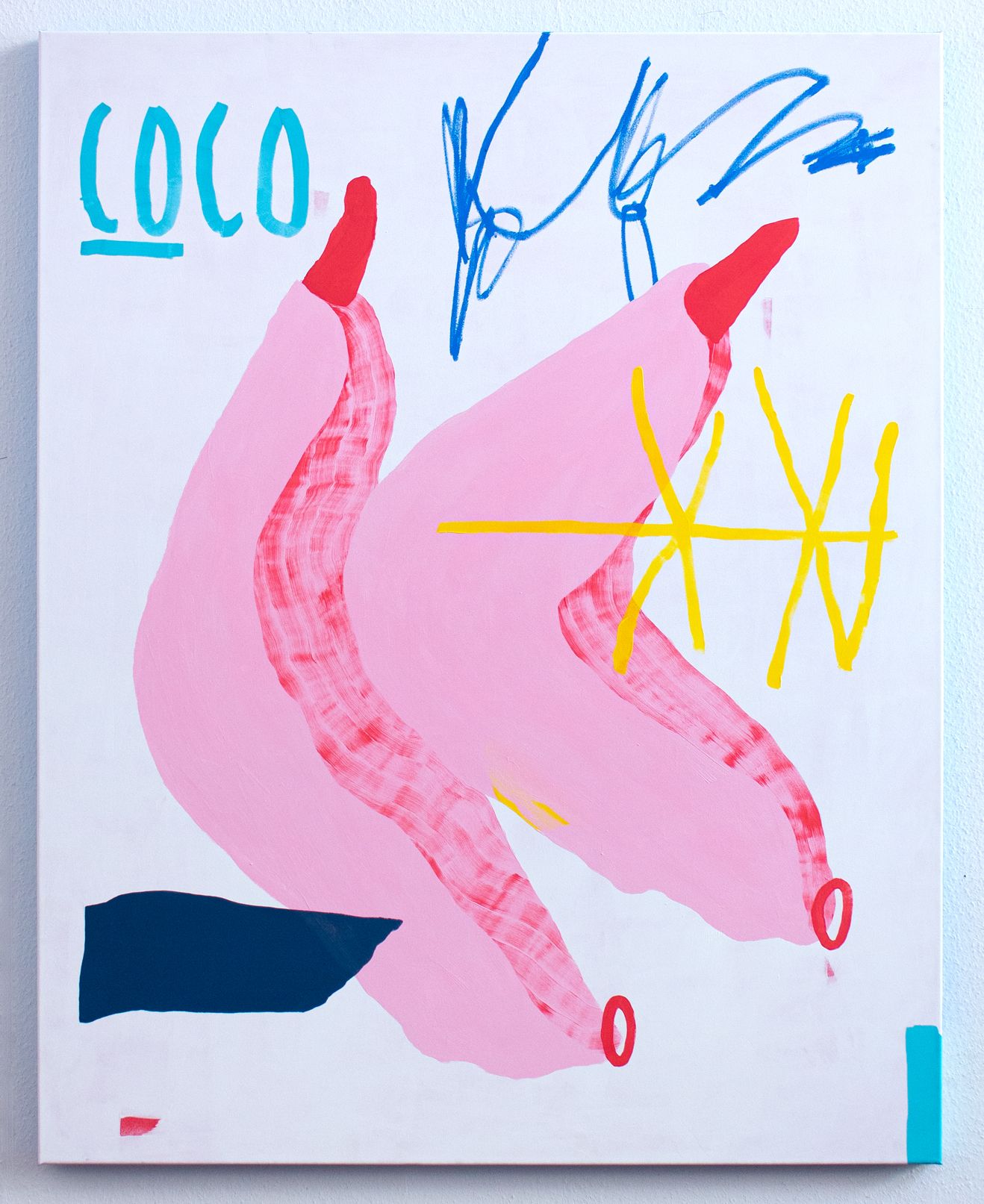
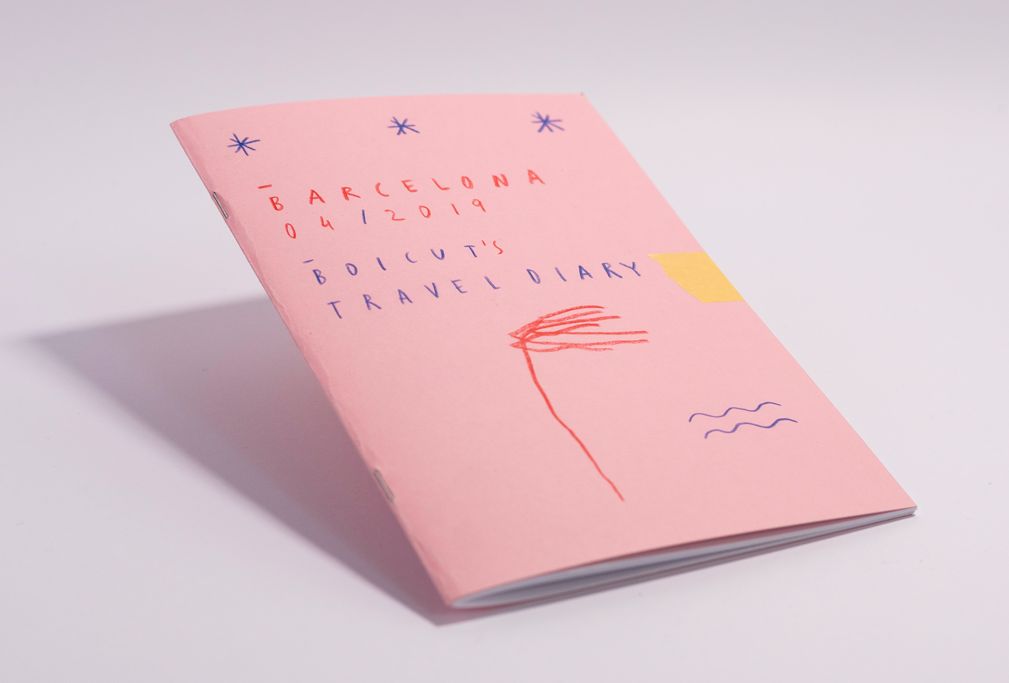
AVAILABLE ORIGINAL ARTWORKS ->

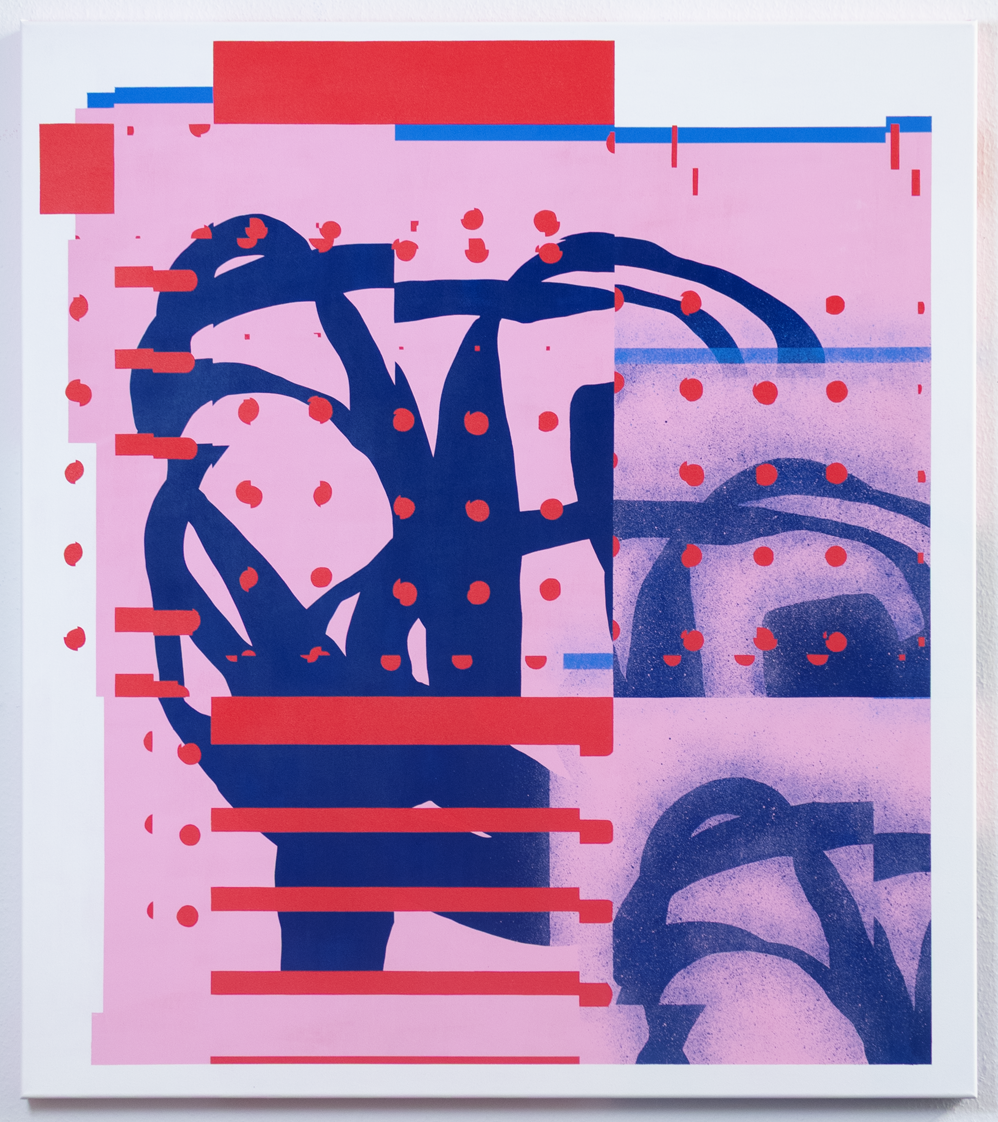
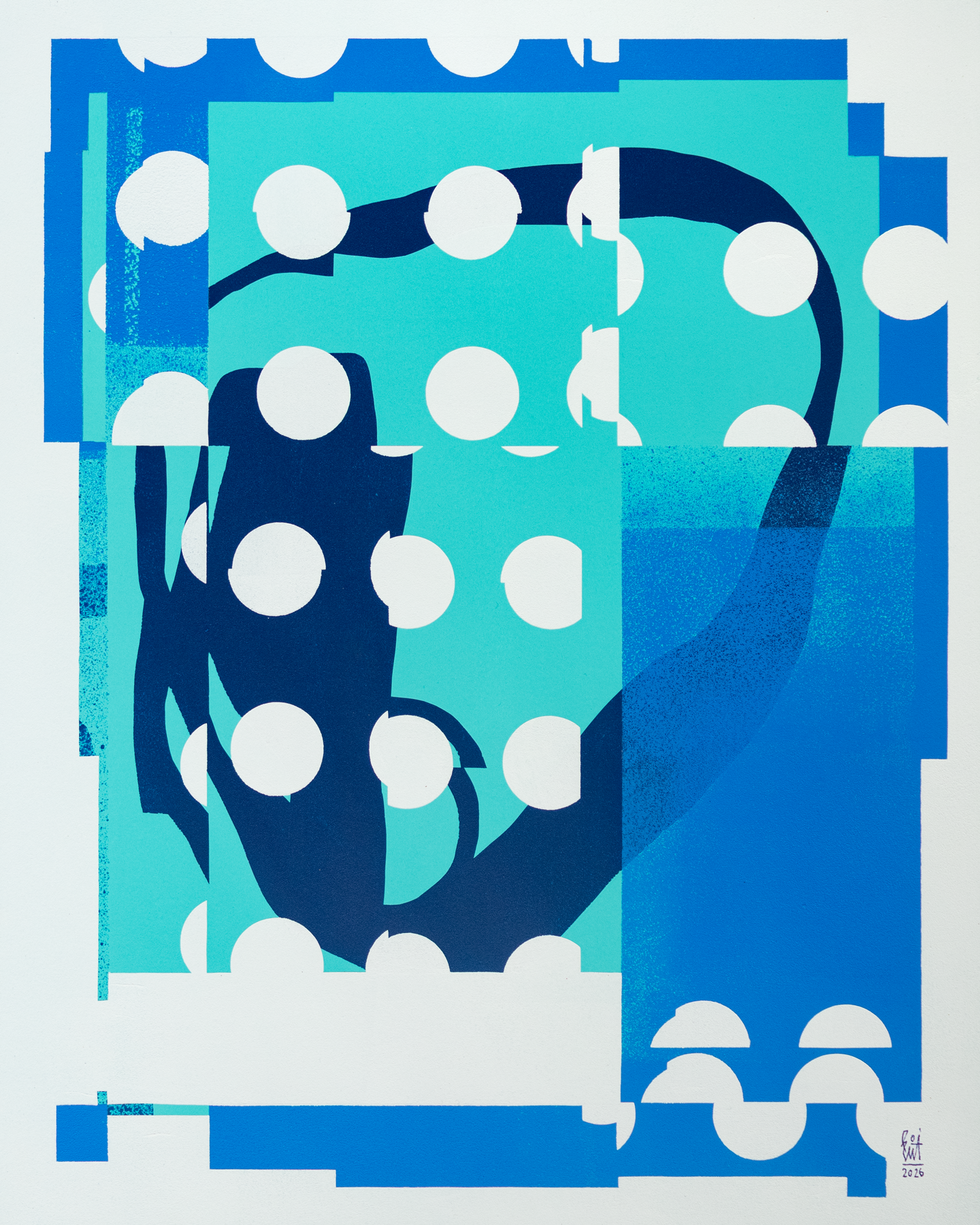
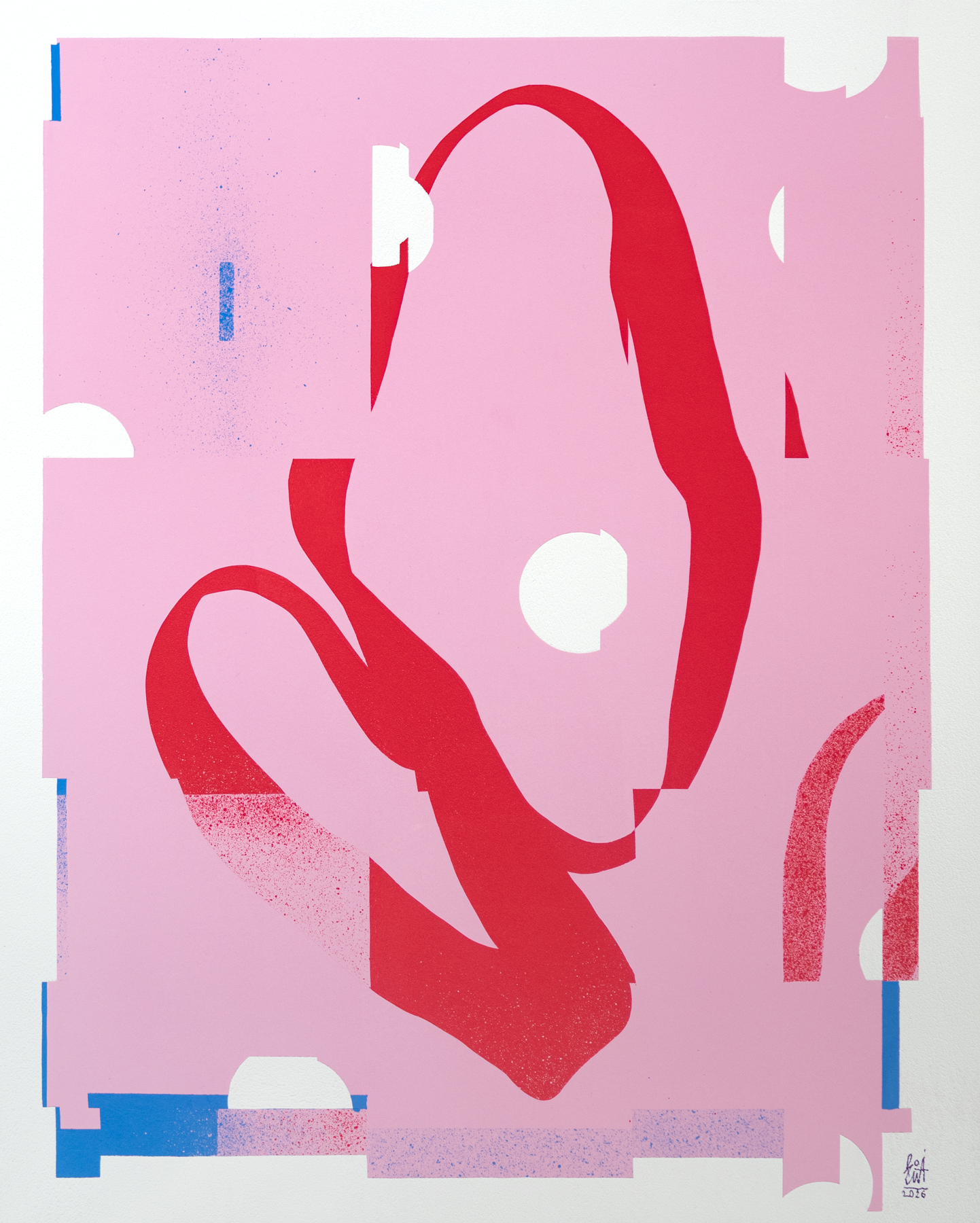
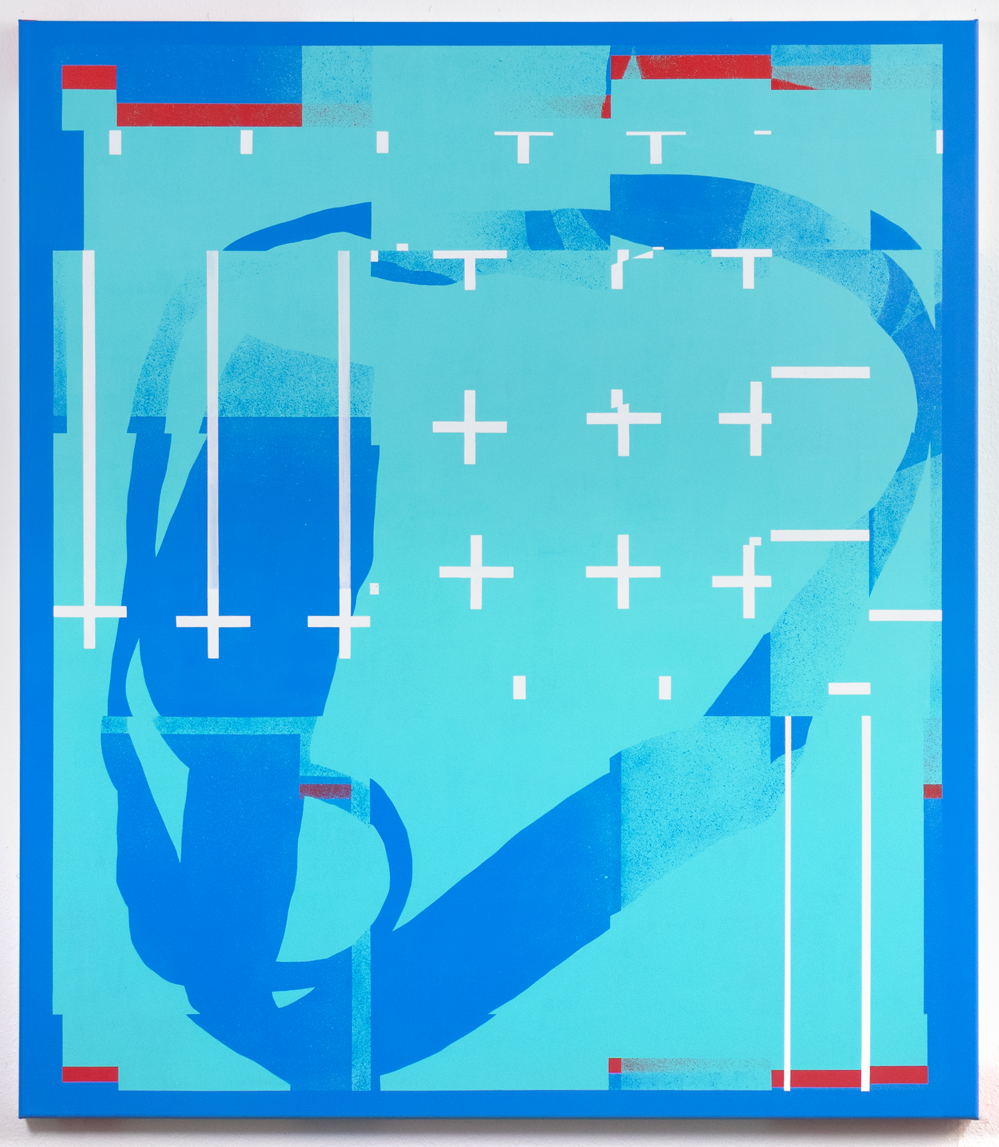
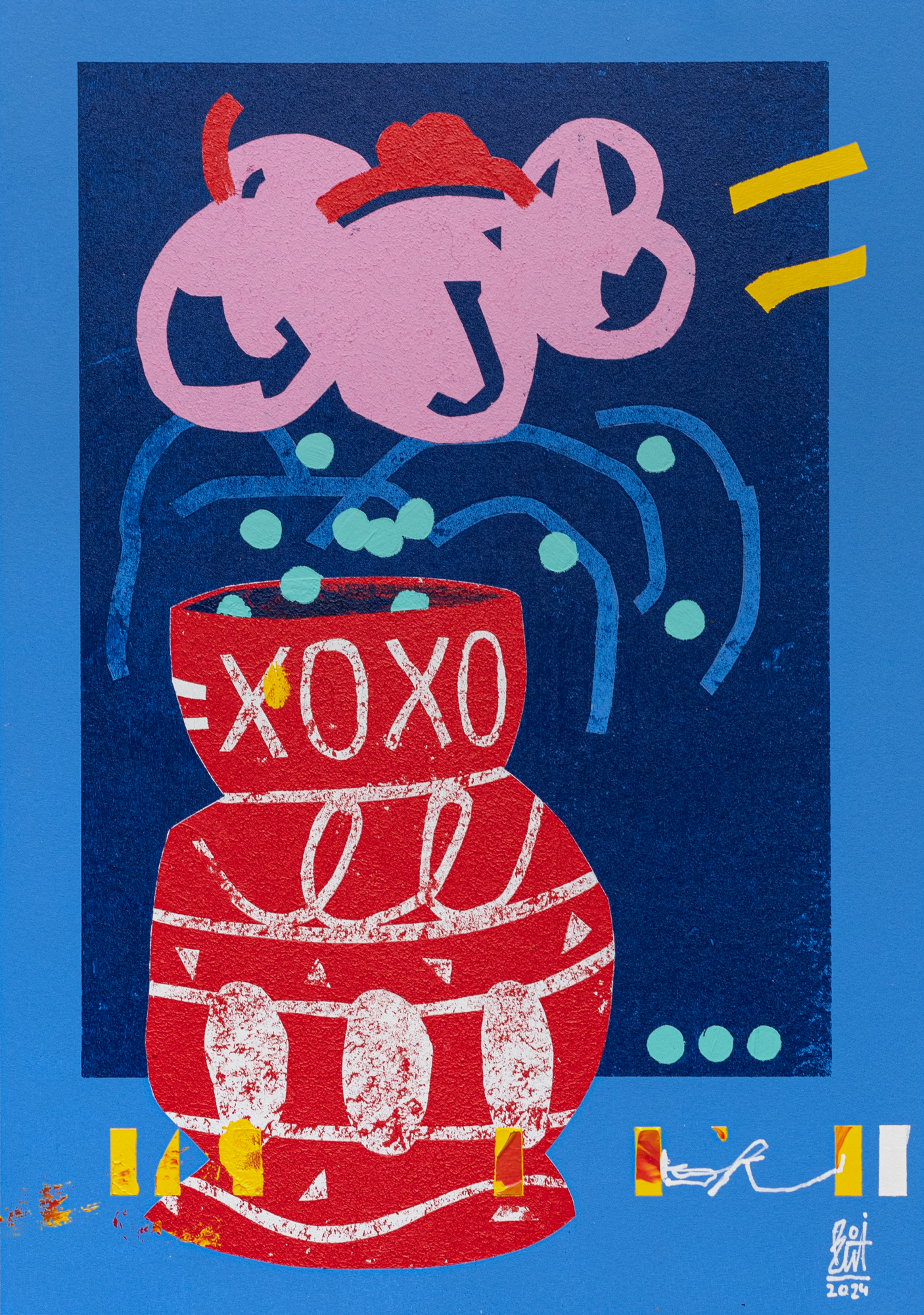
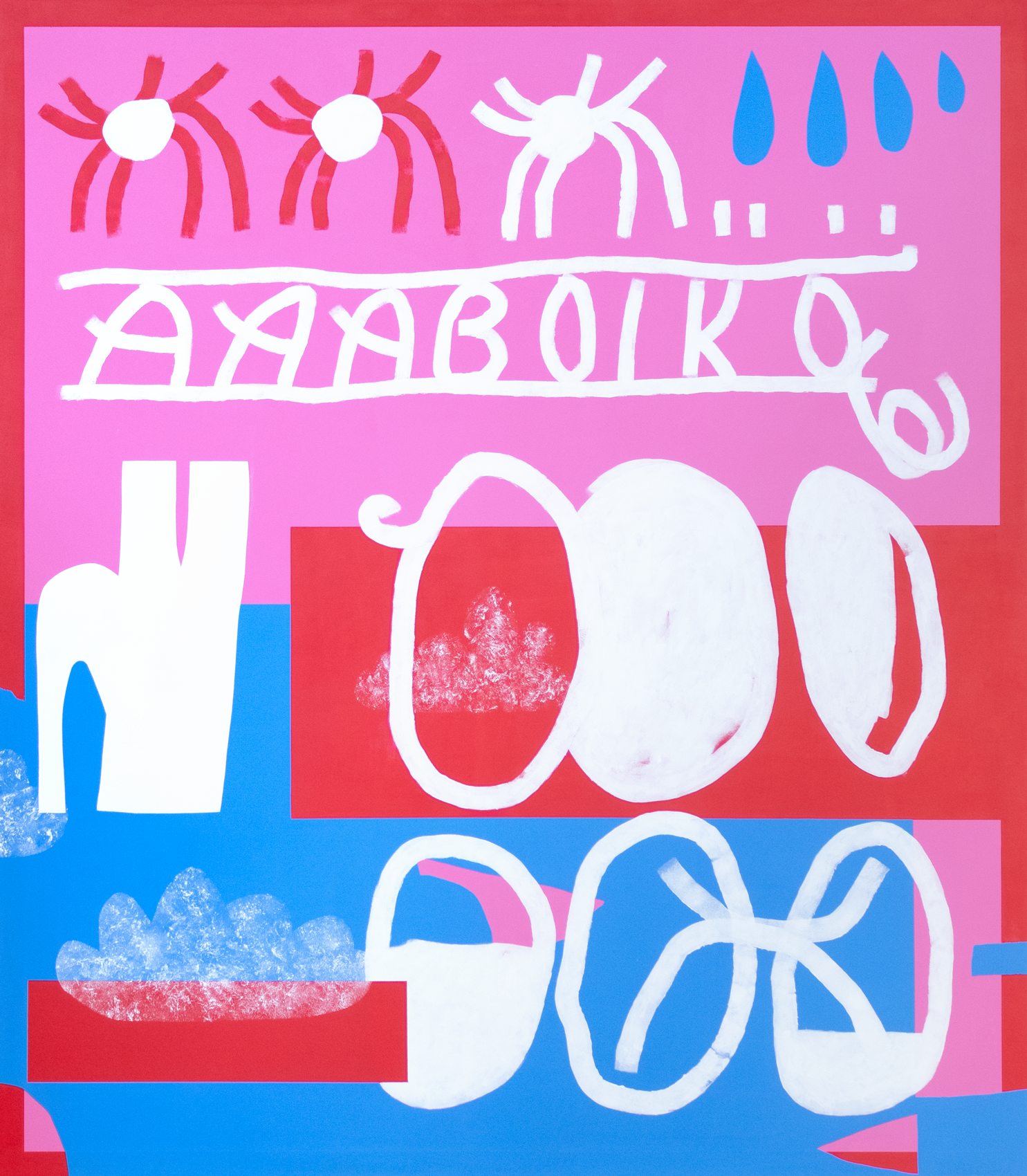
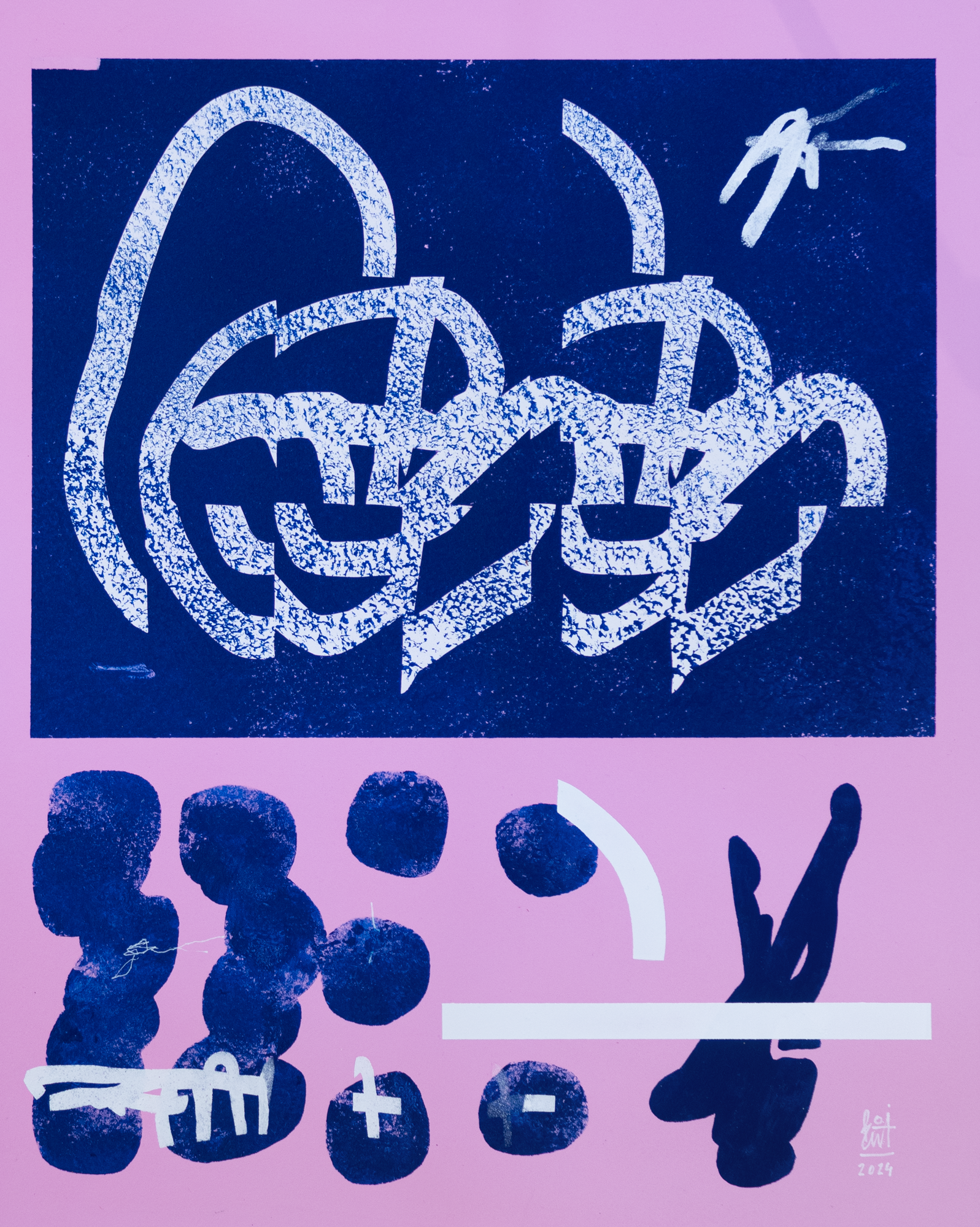
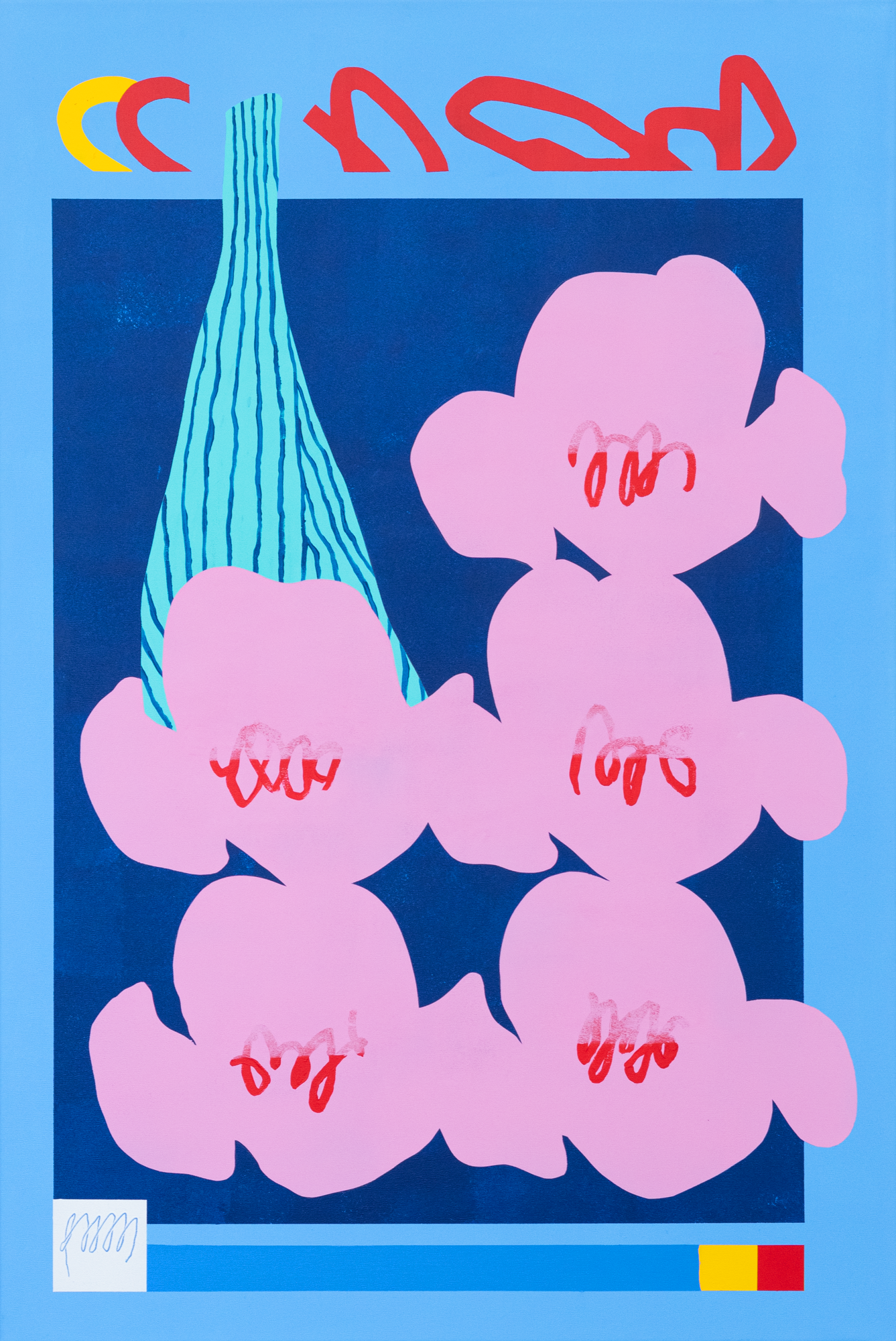
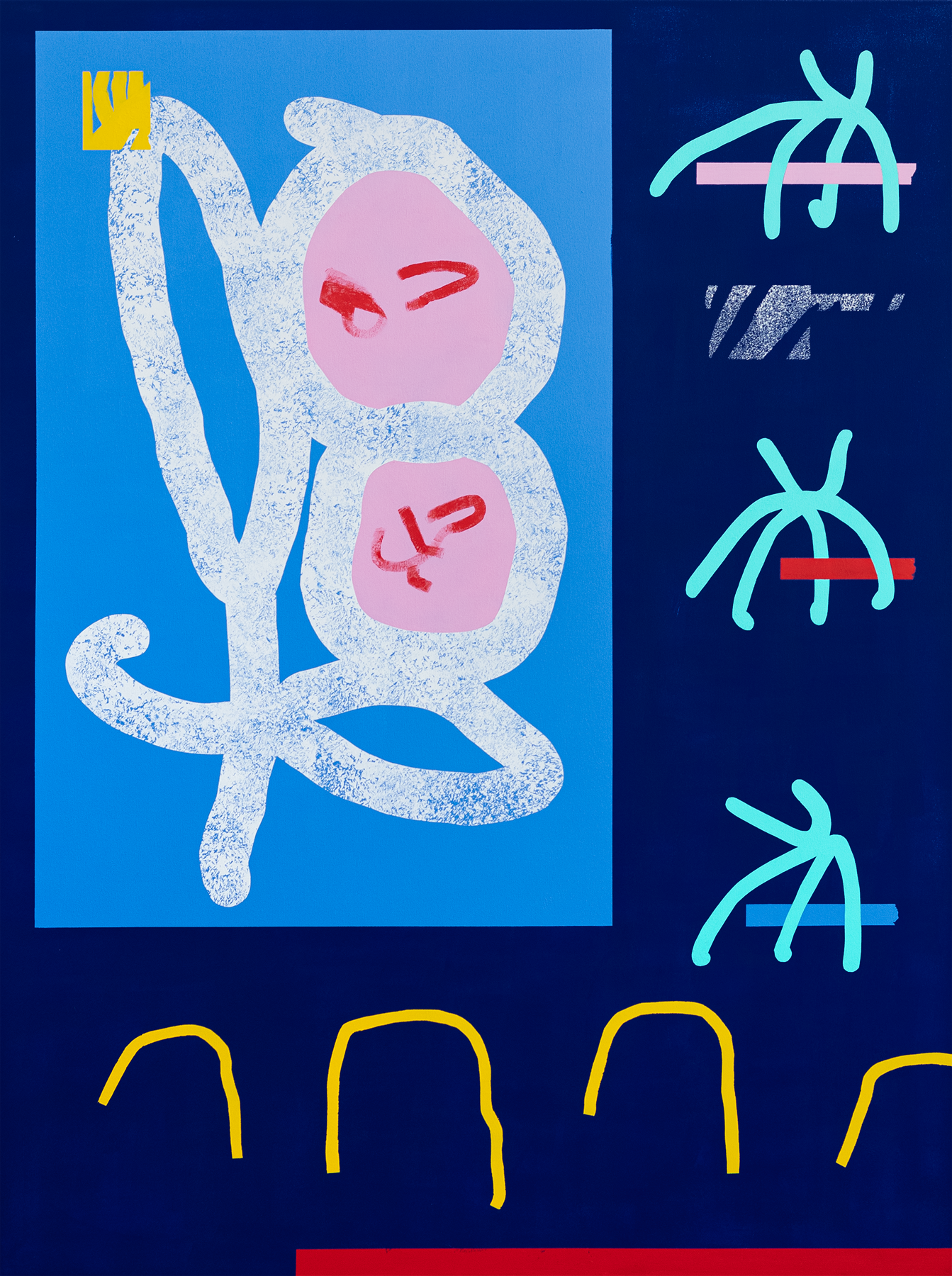
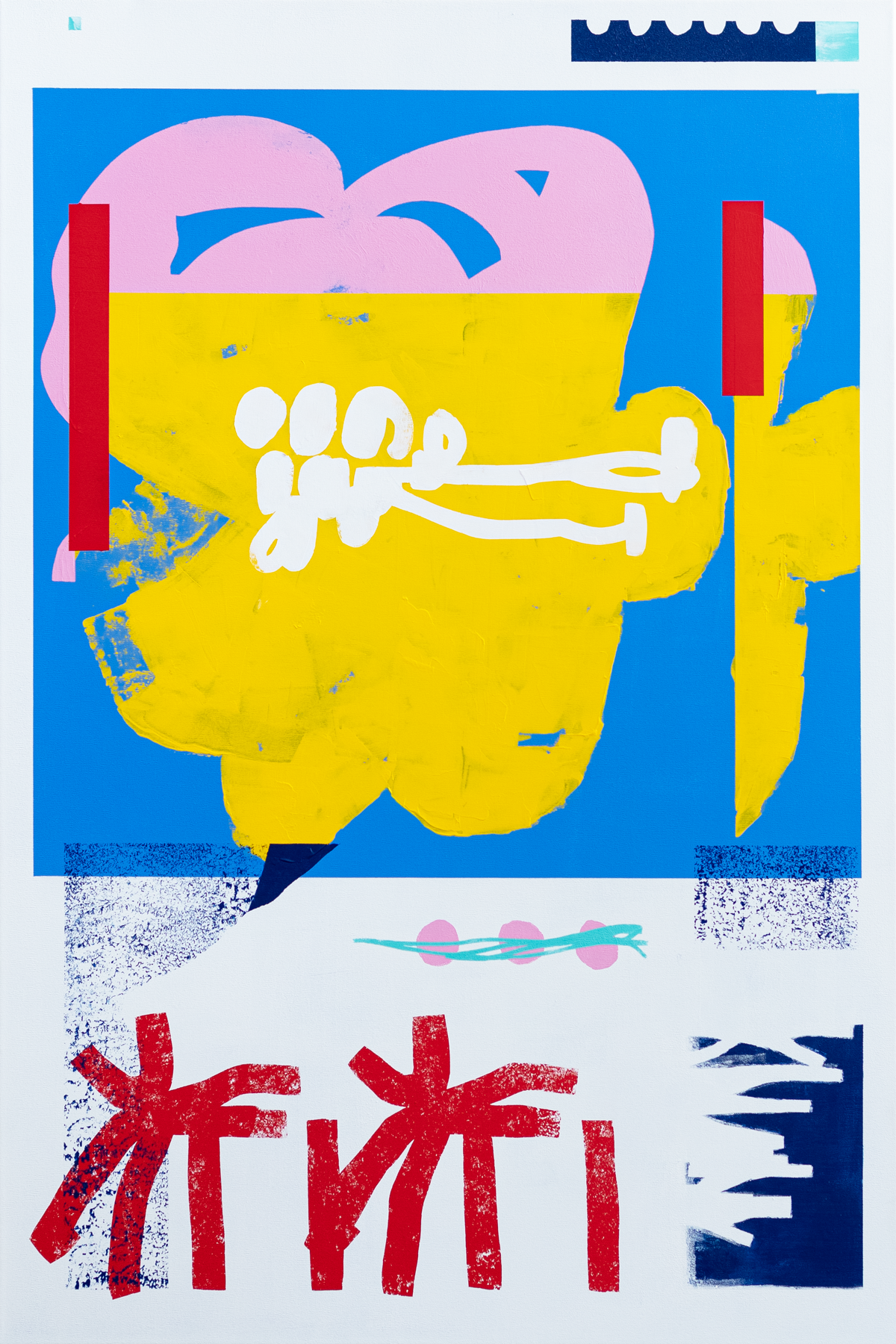
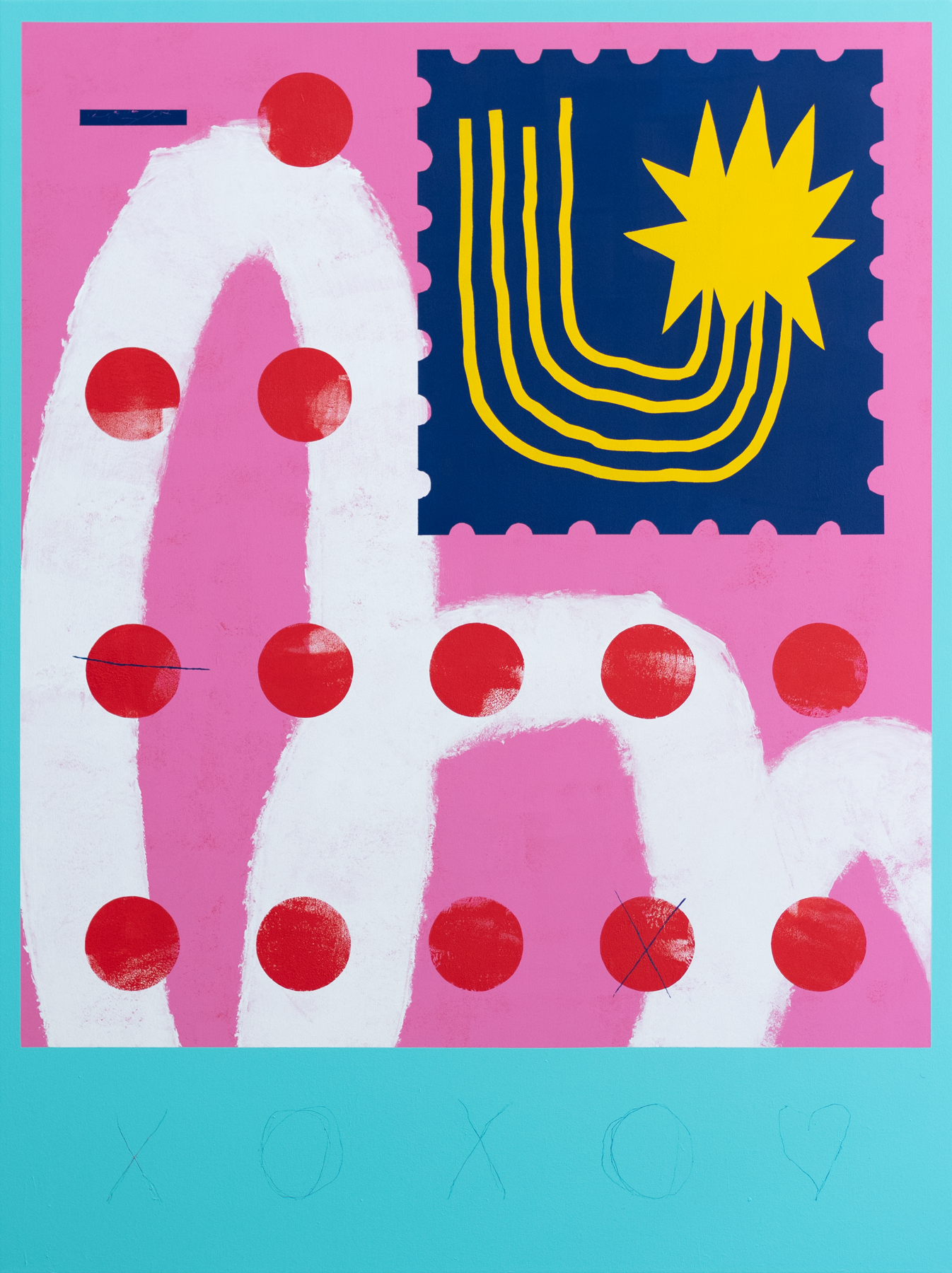


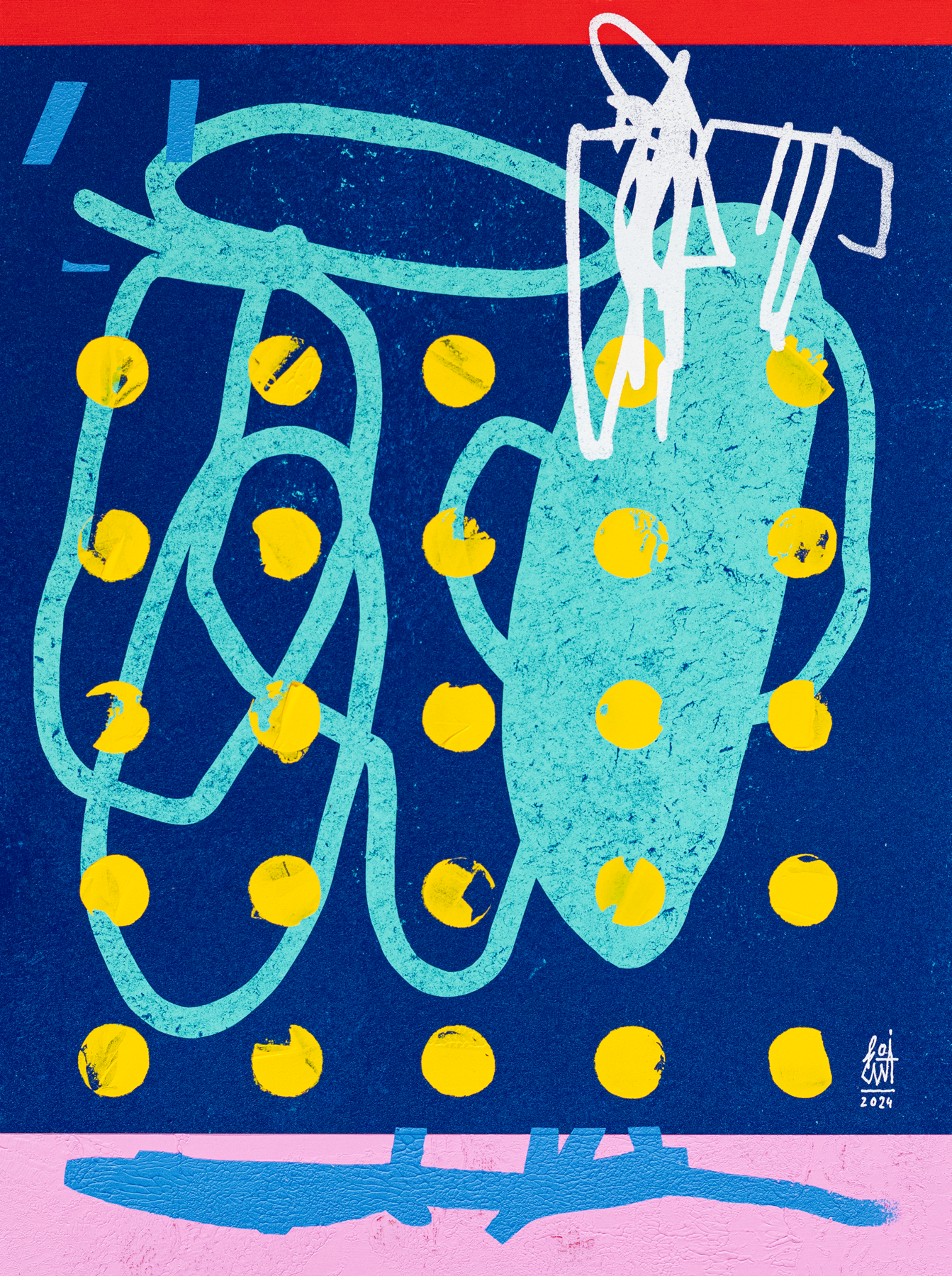
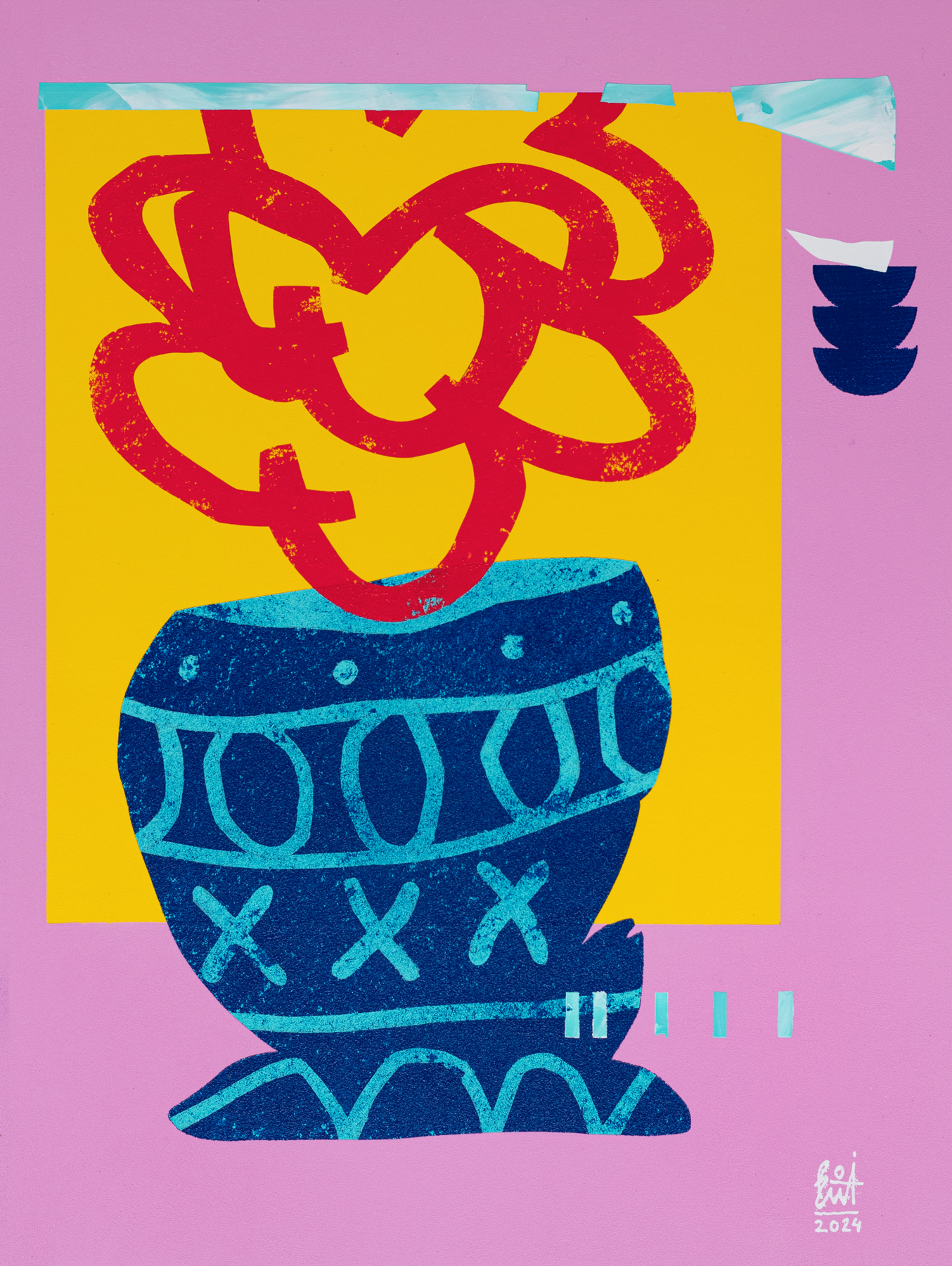
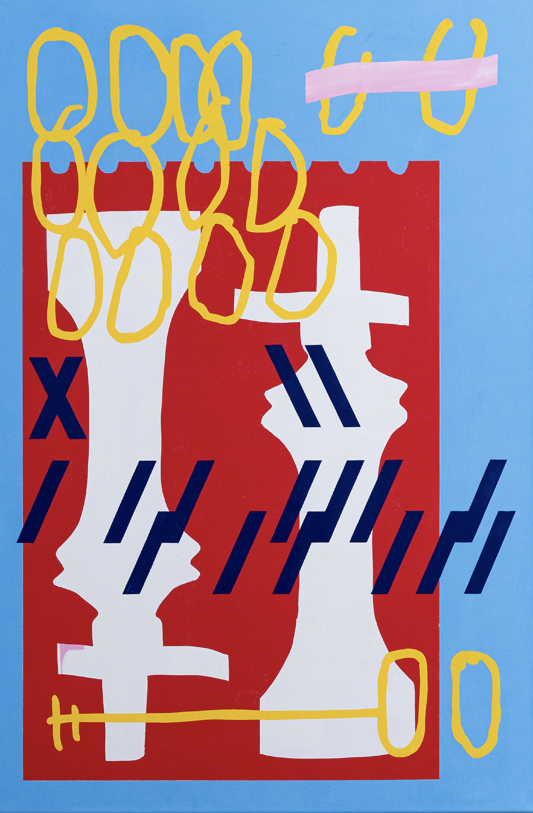
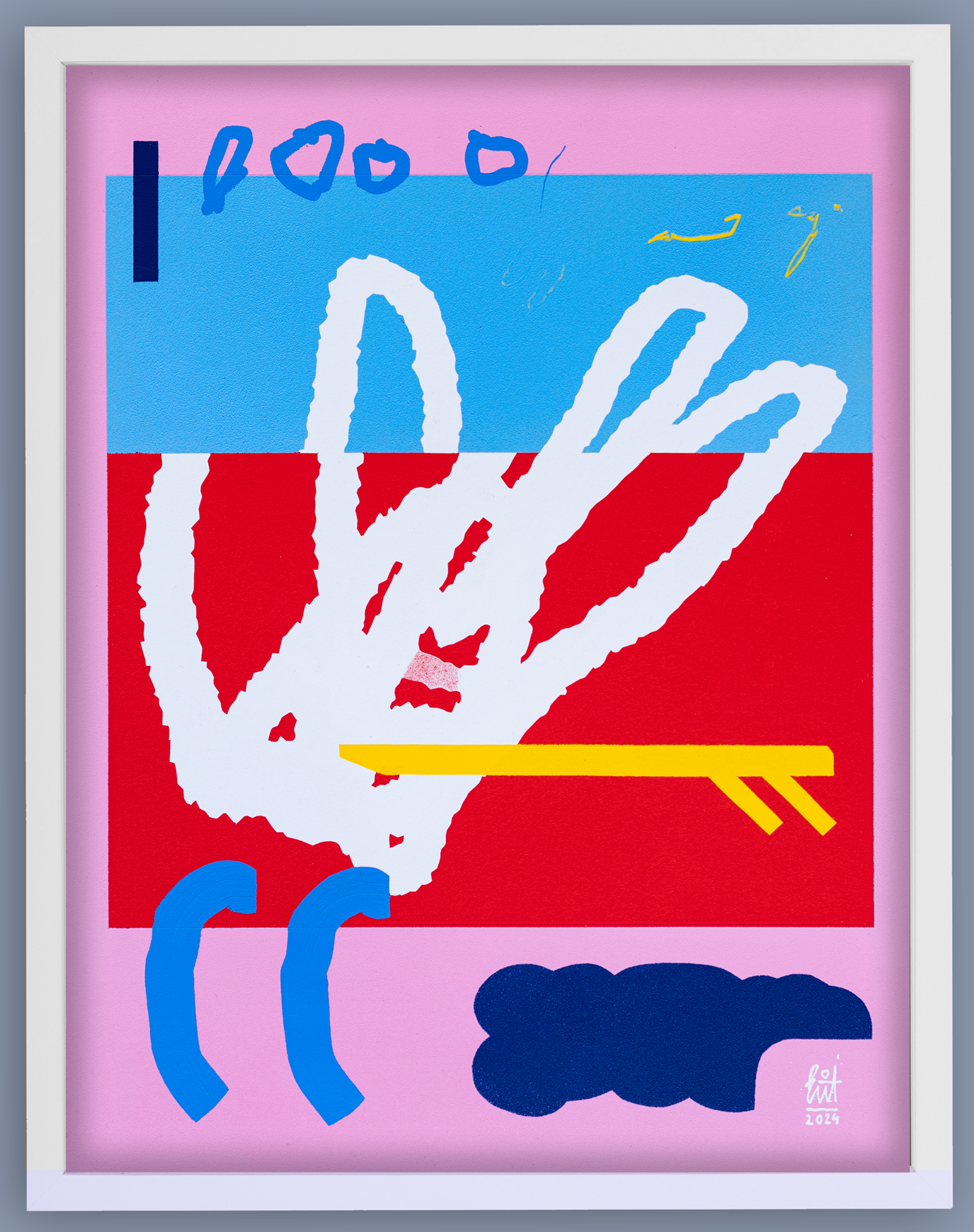


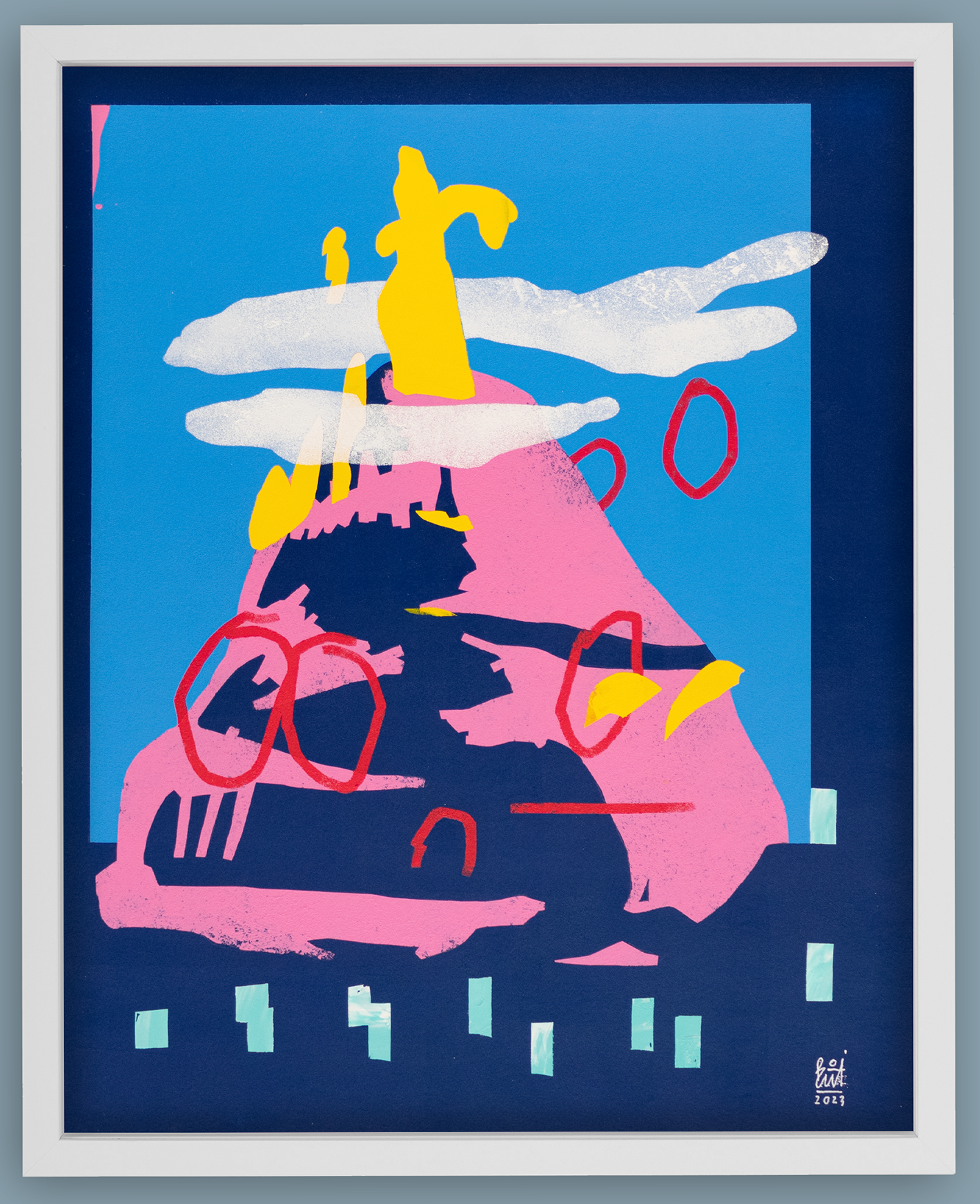
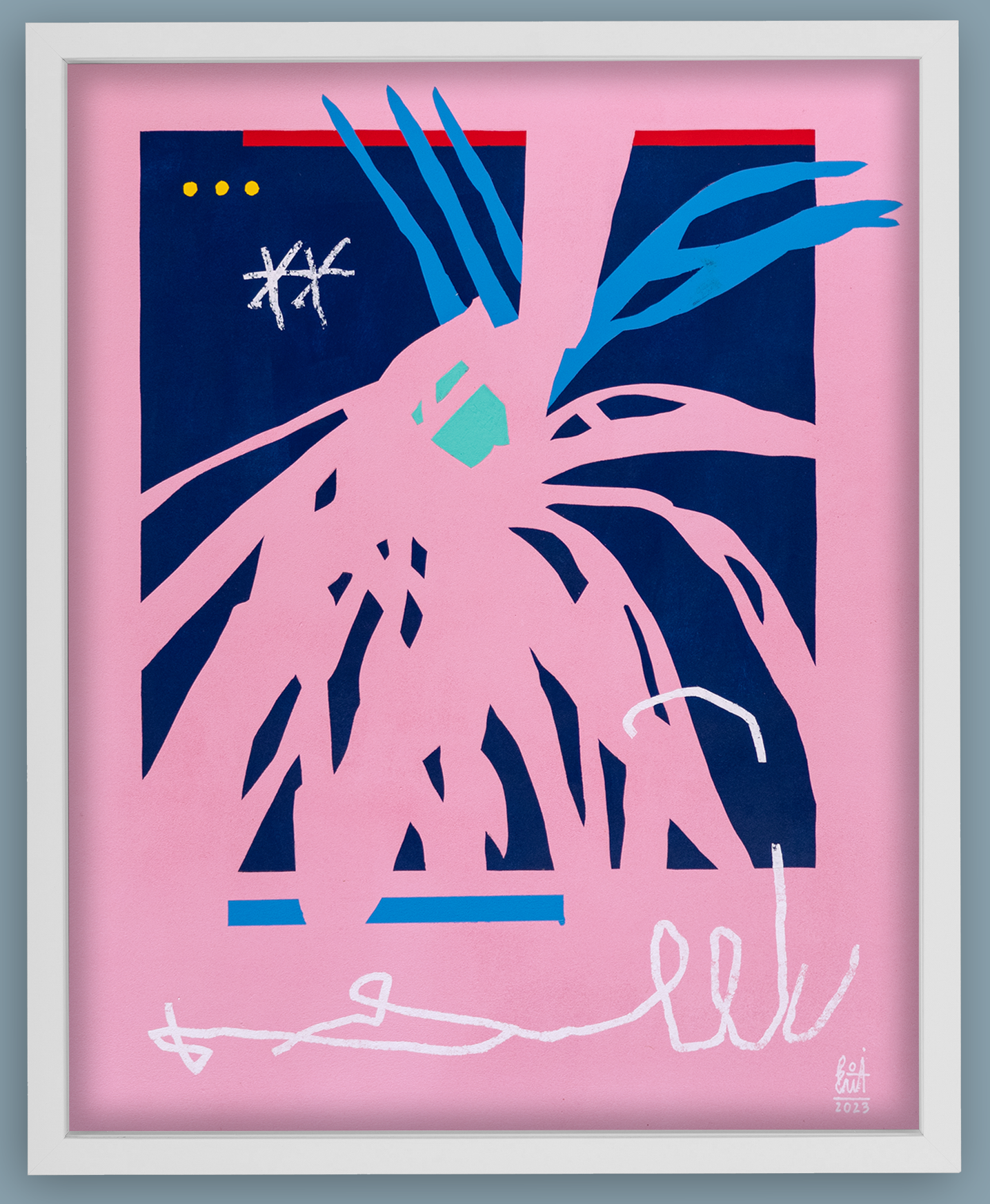
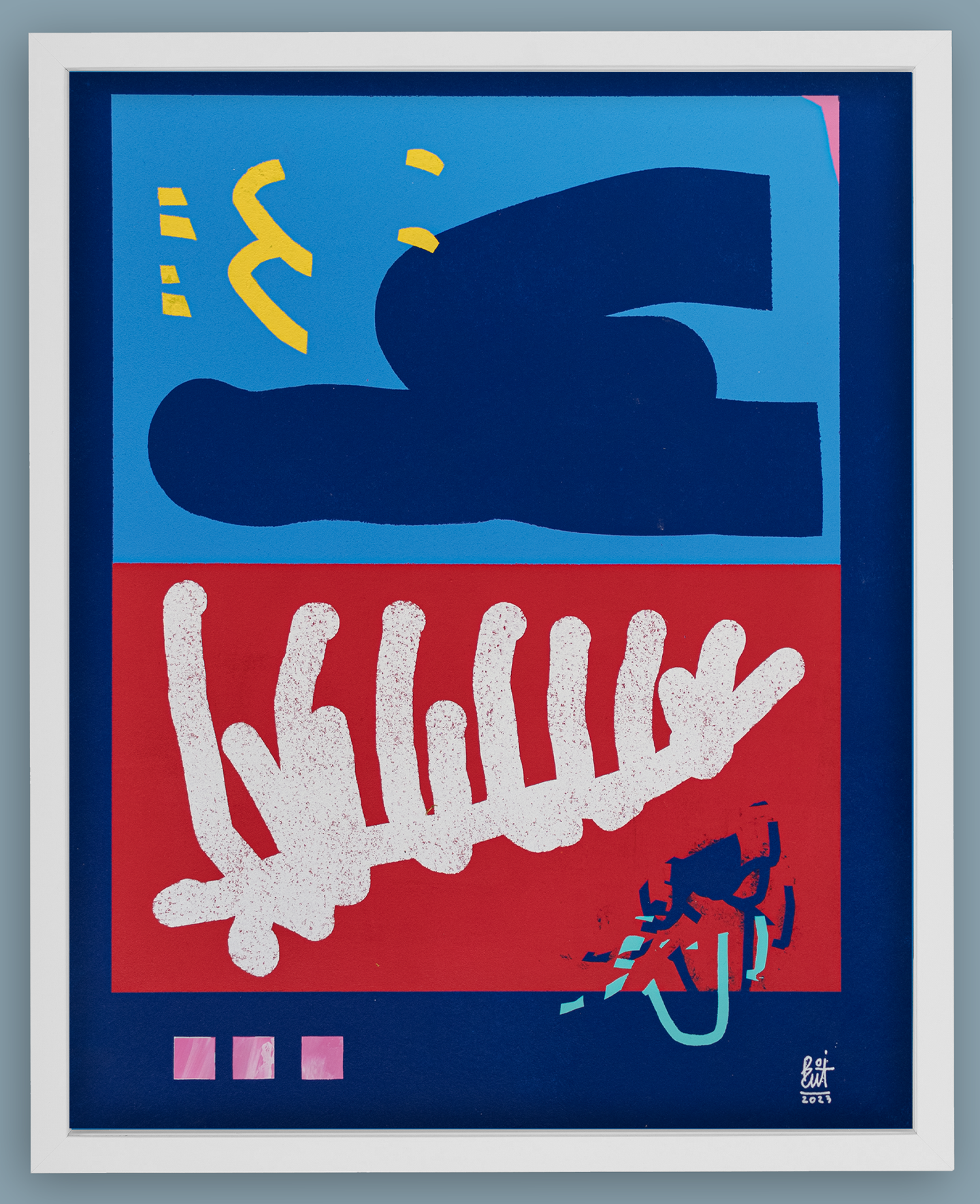
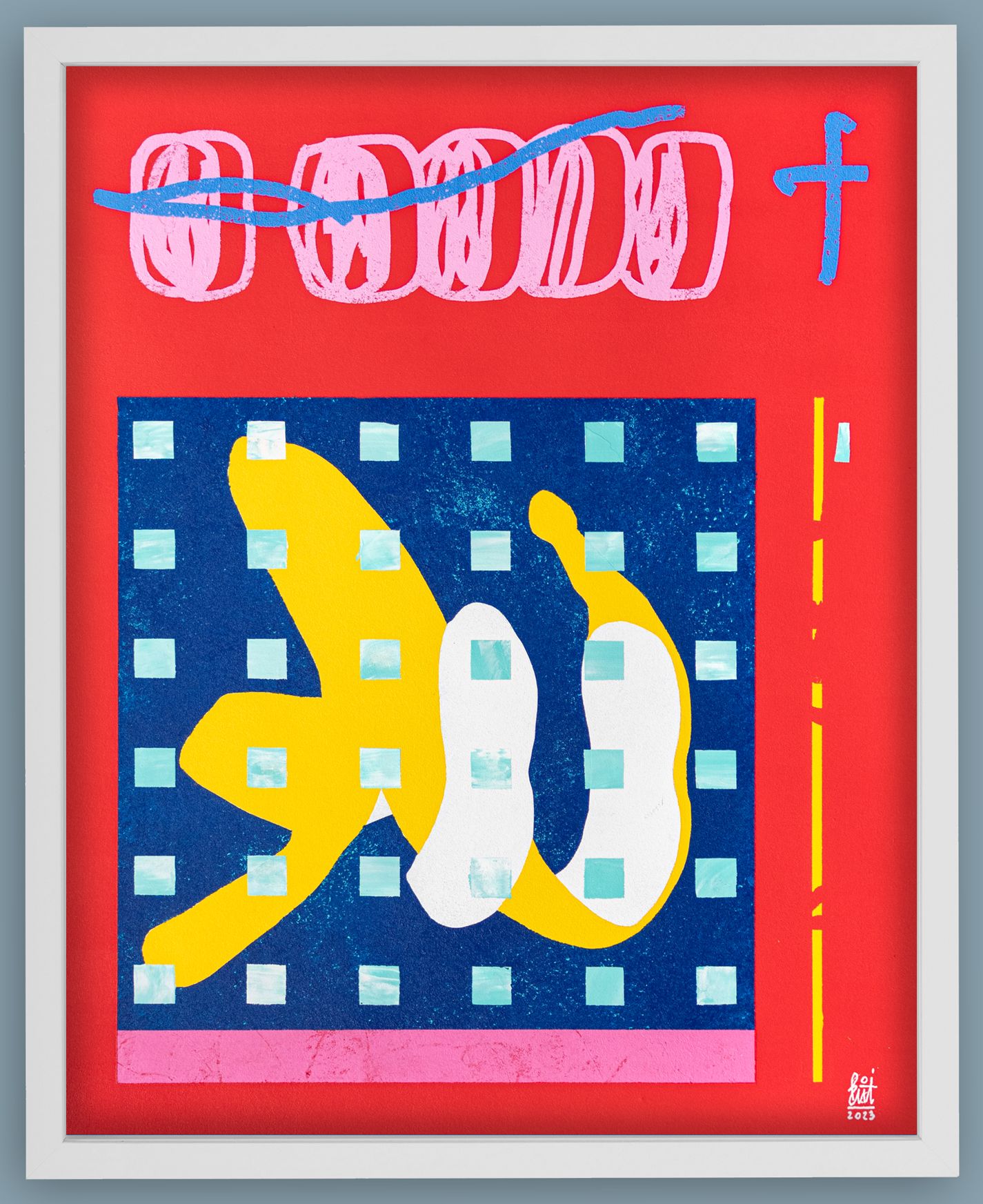
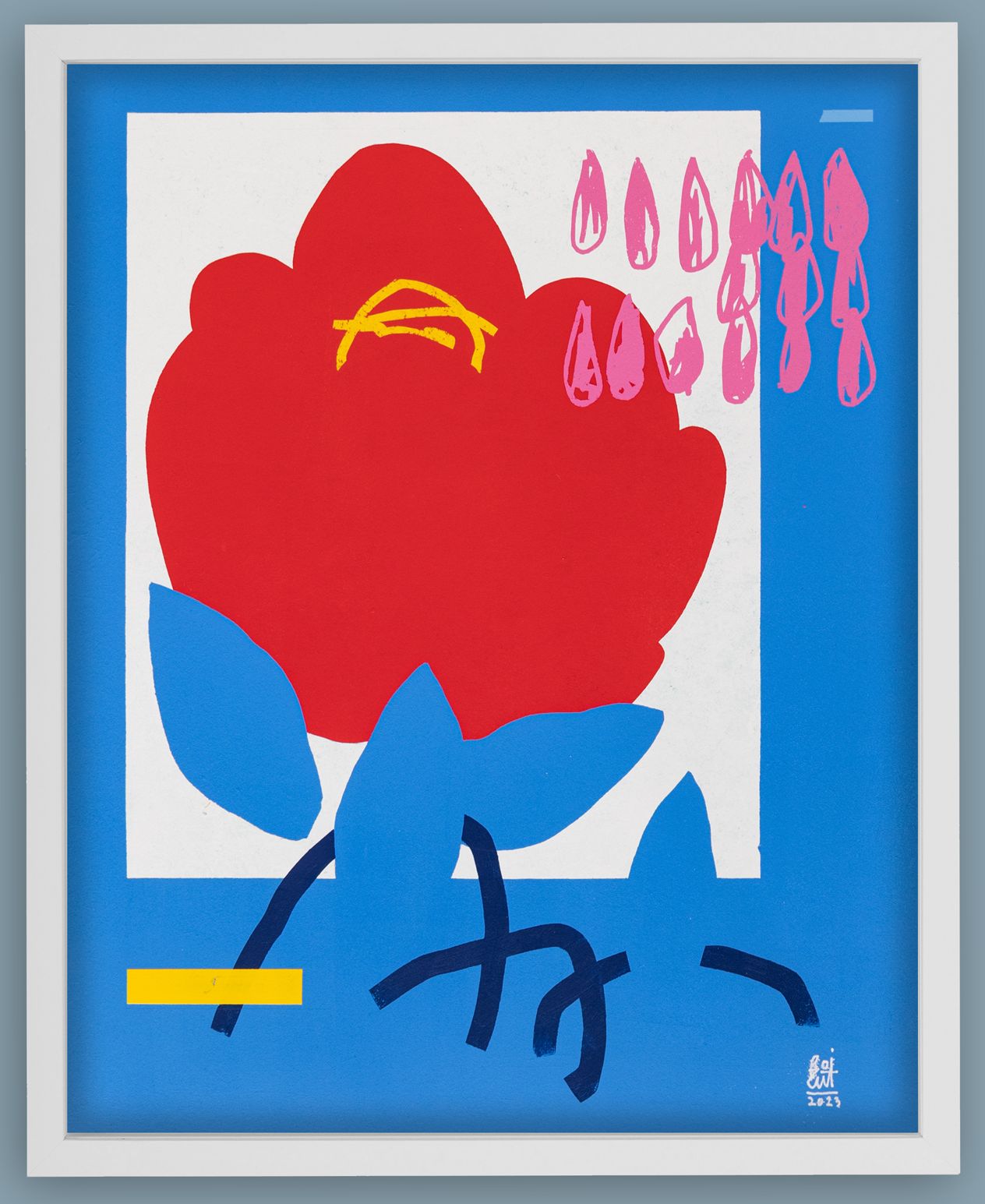
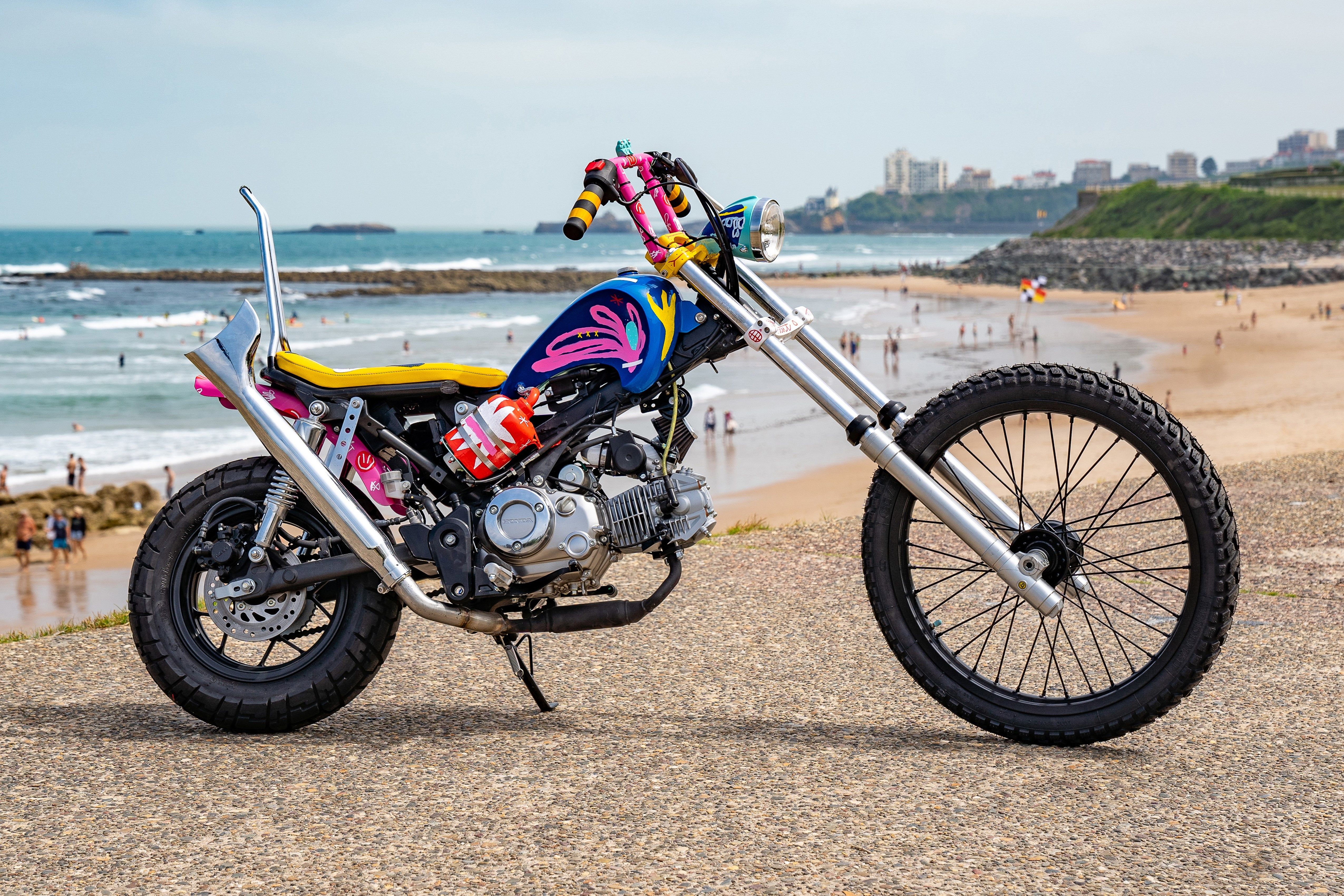
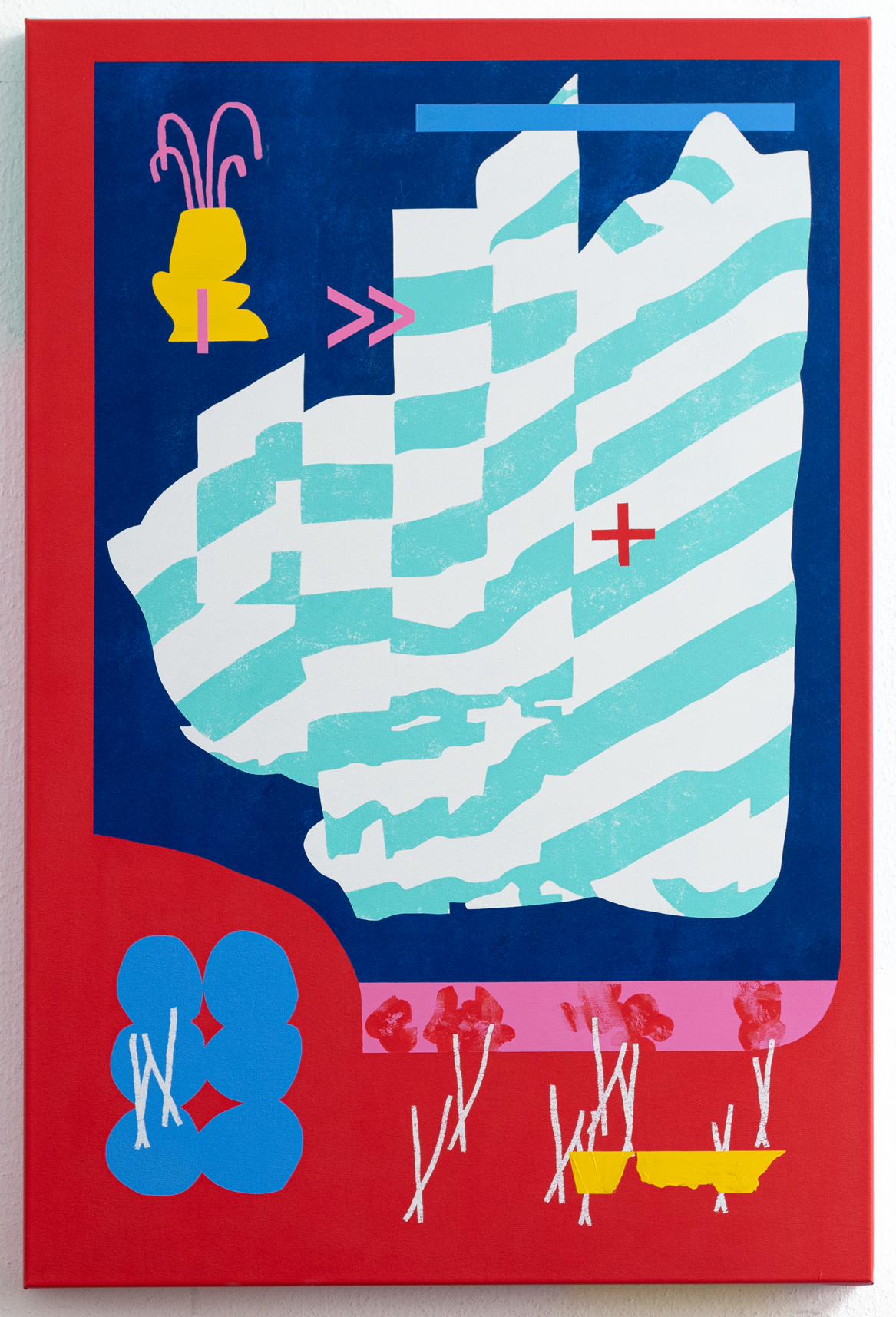
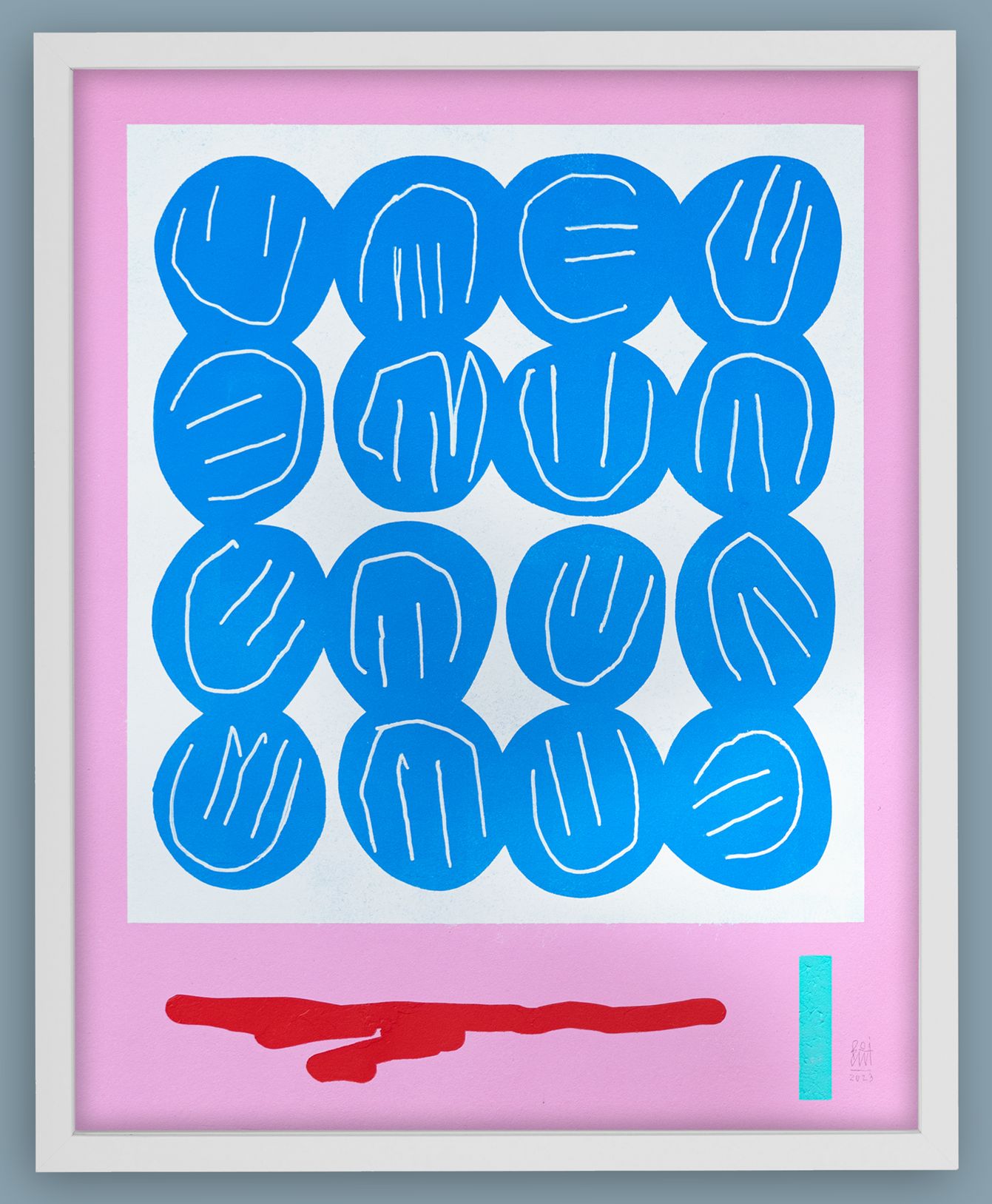
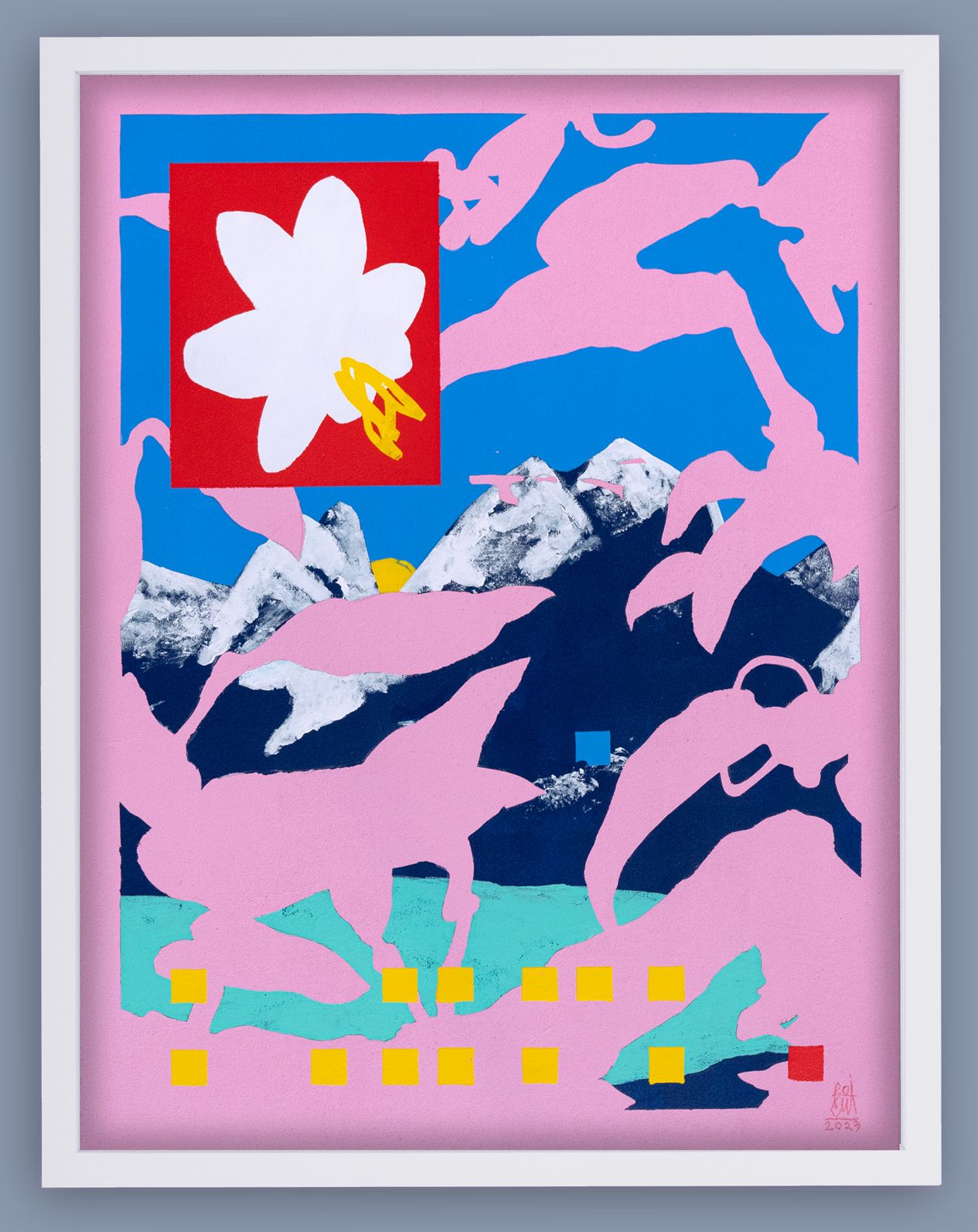
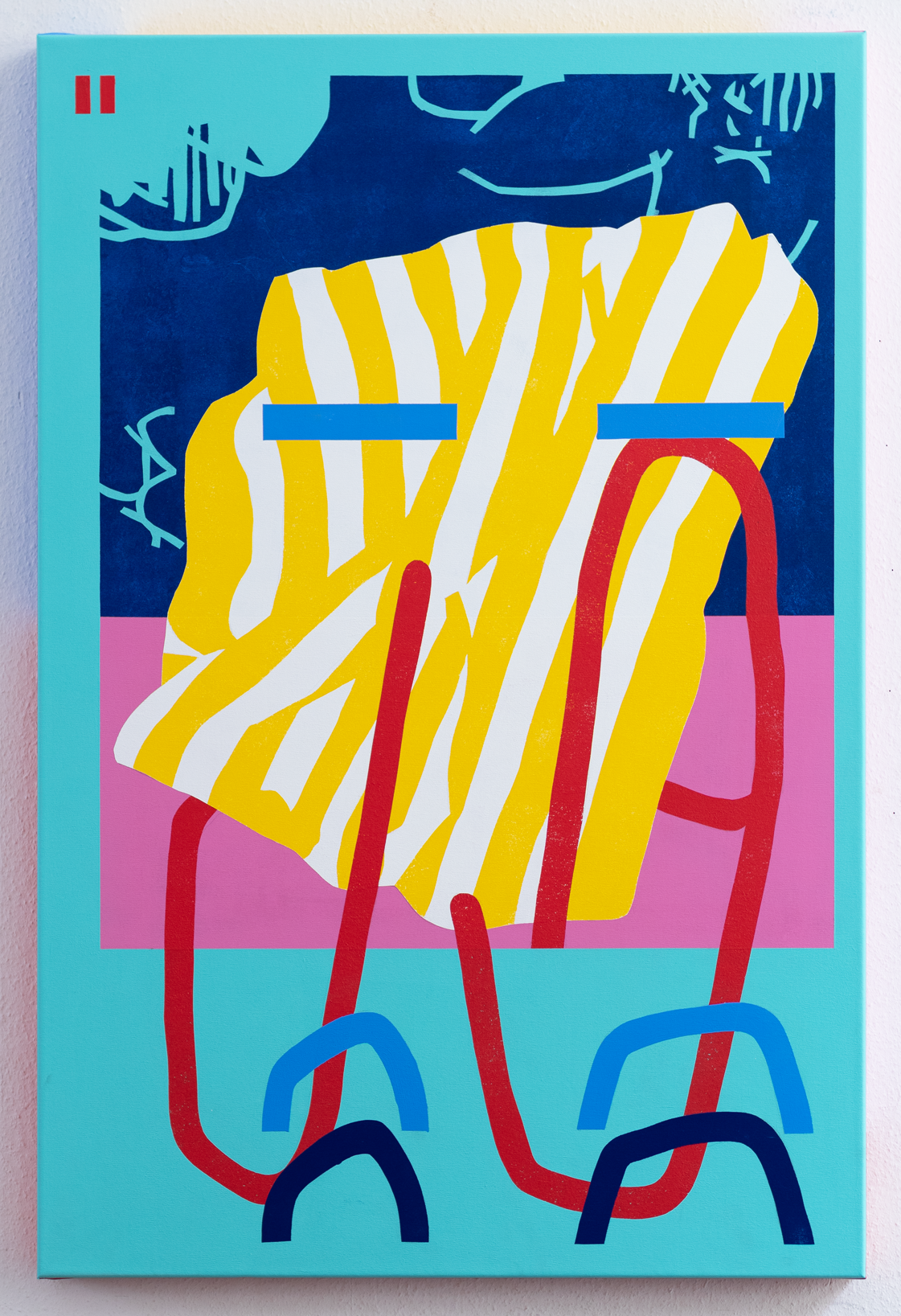
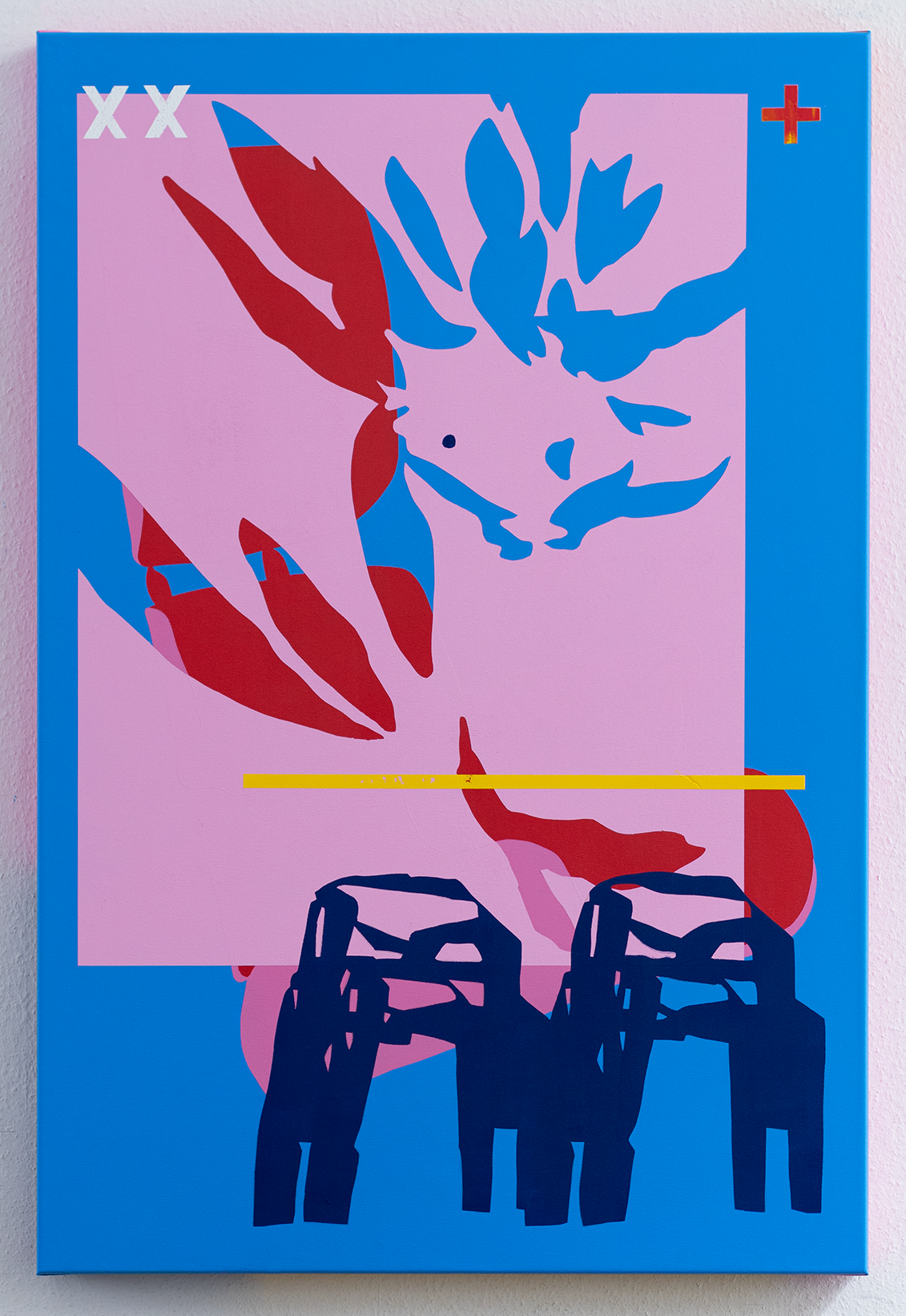
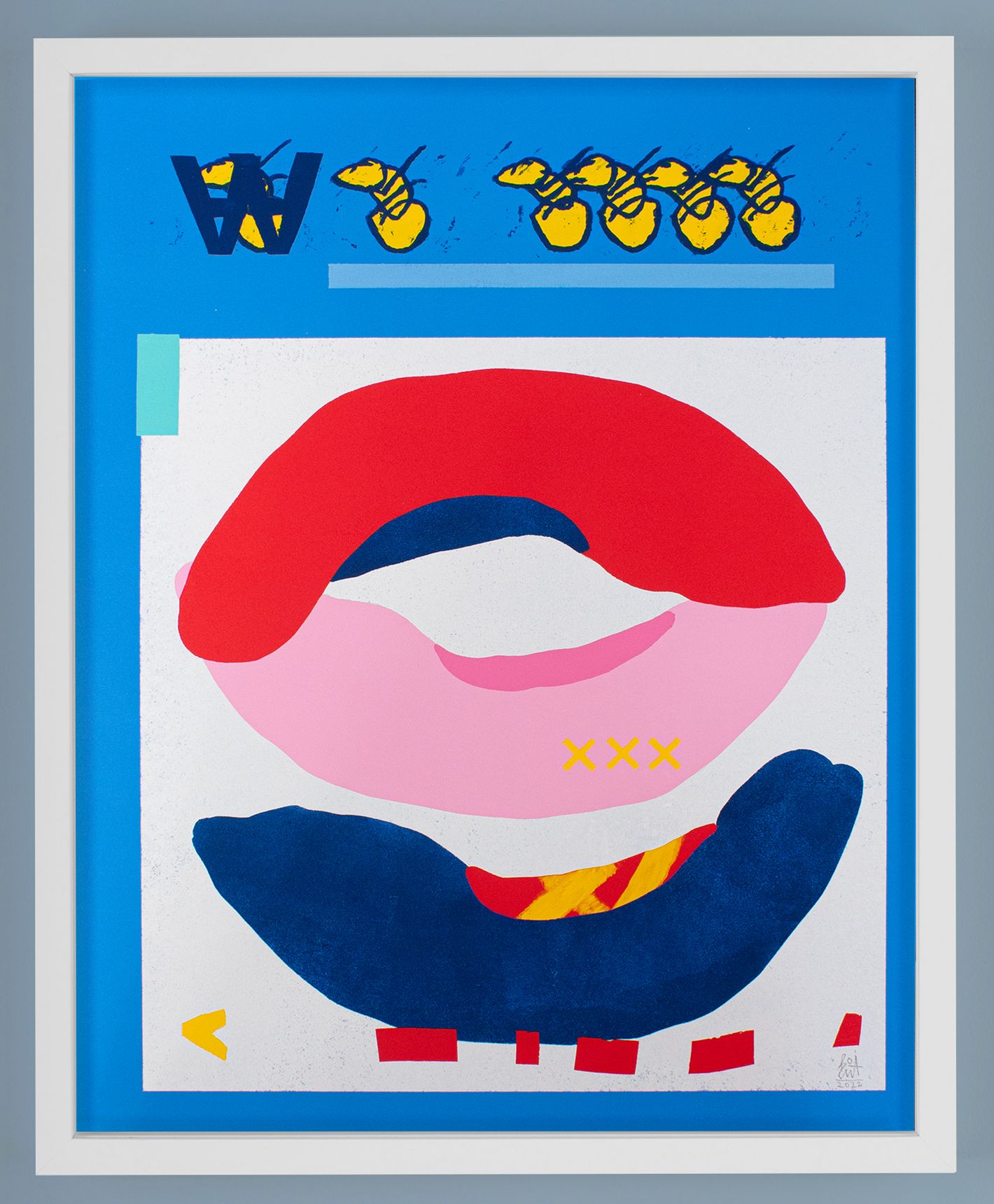
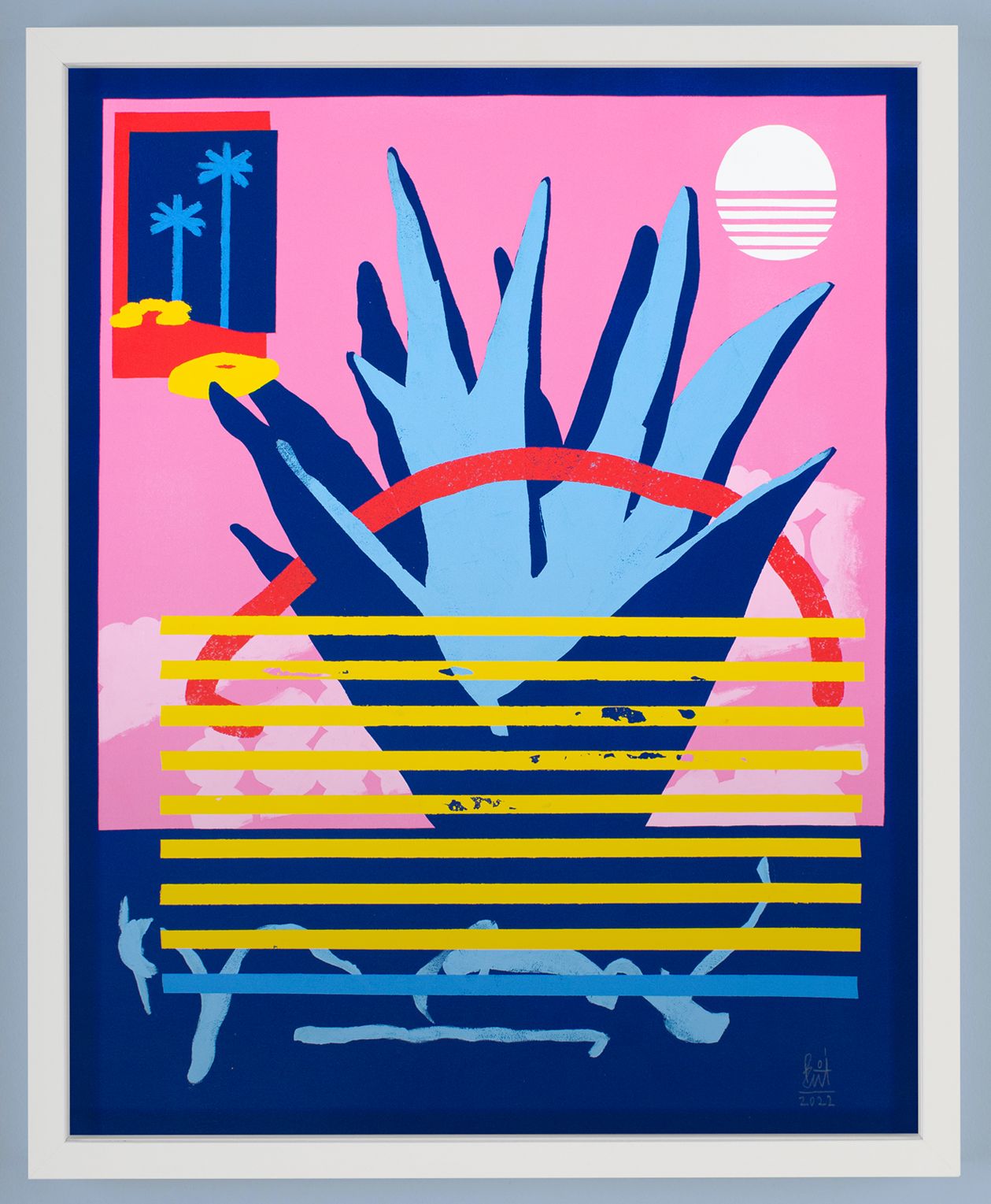
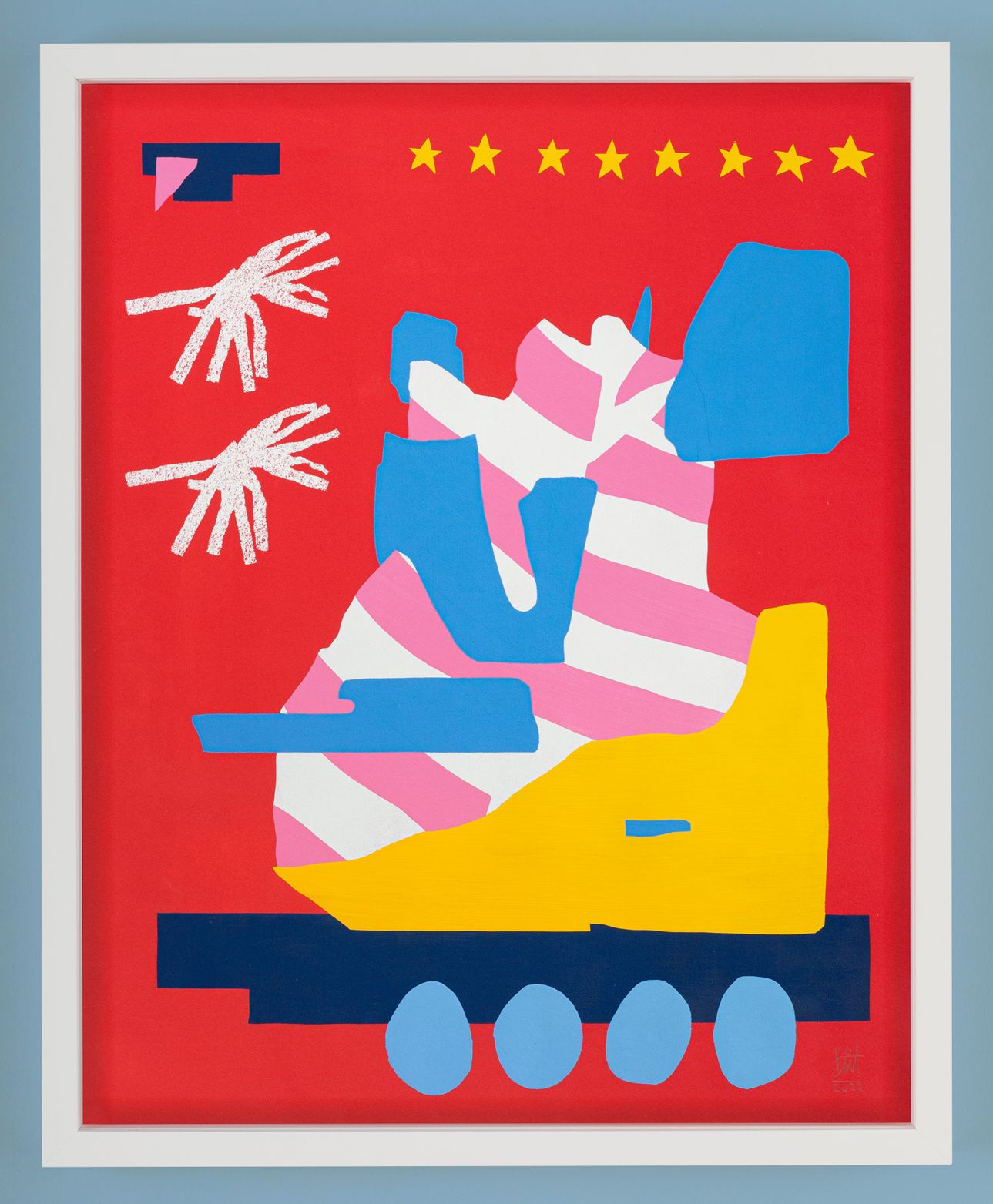
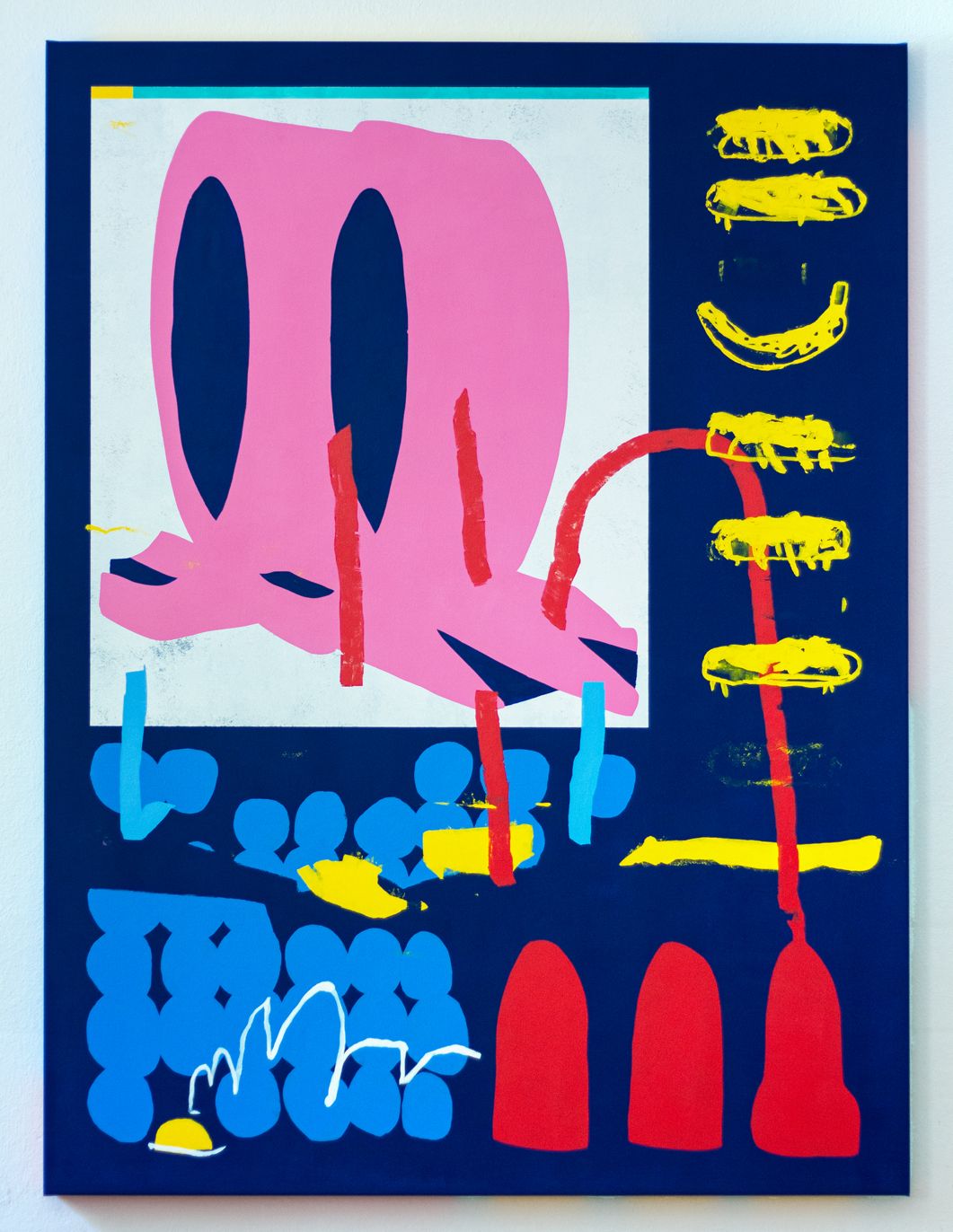
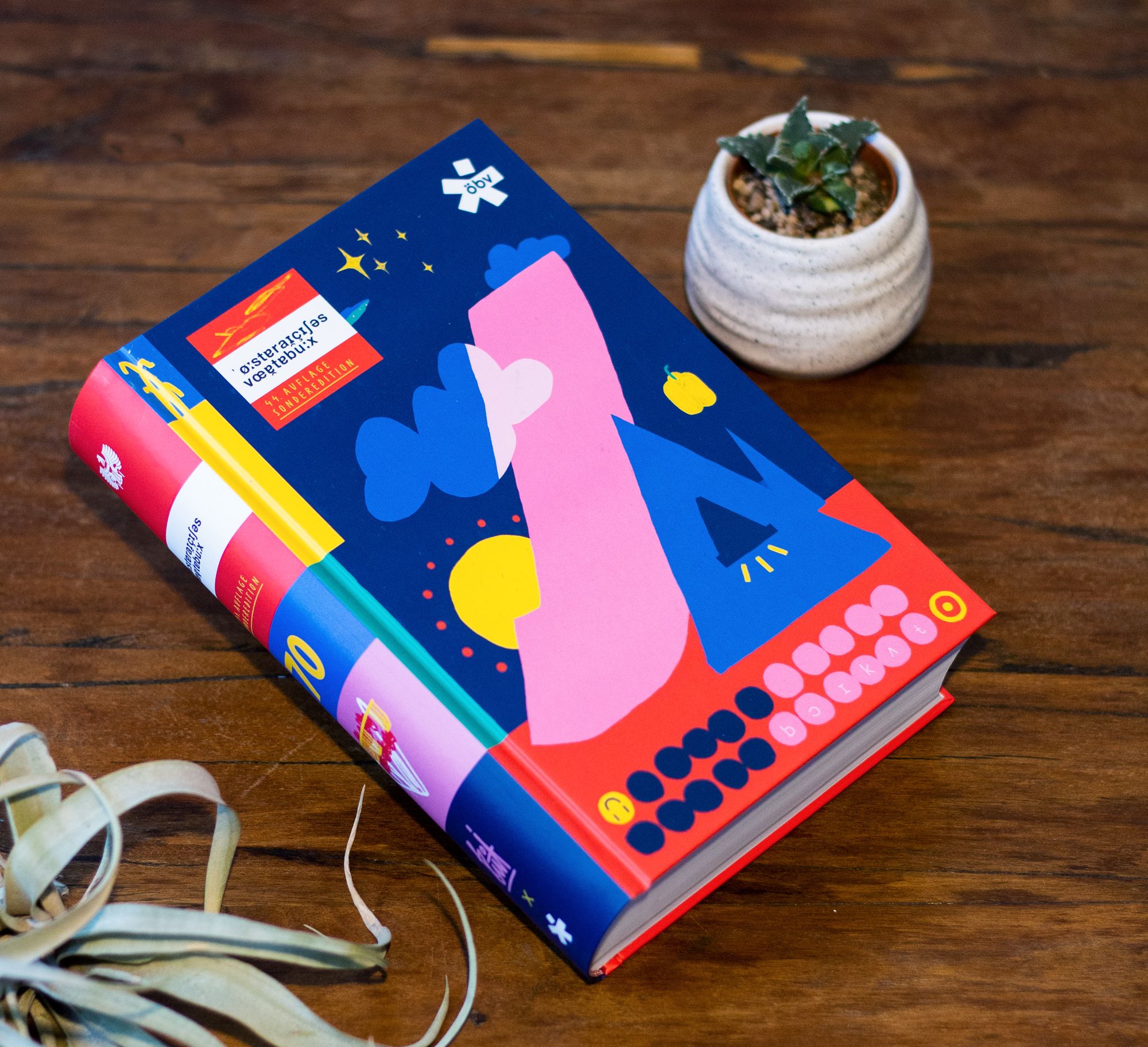
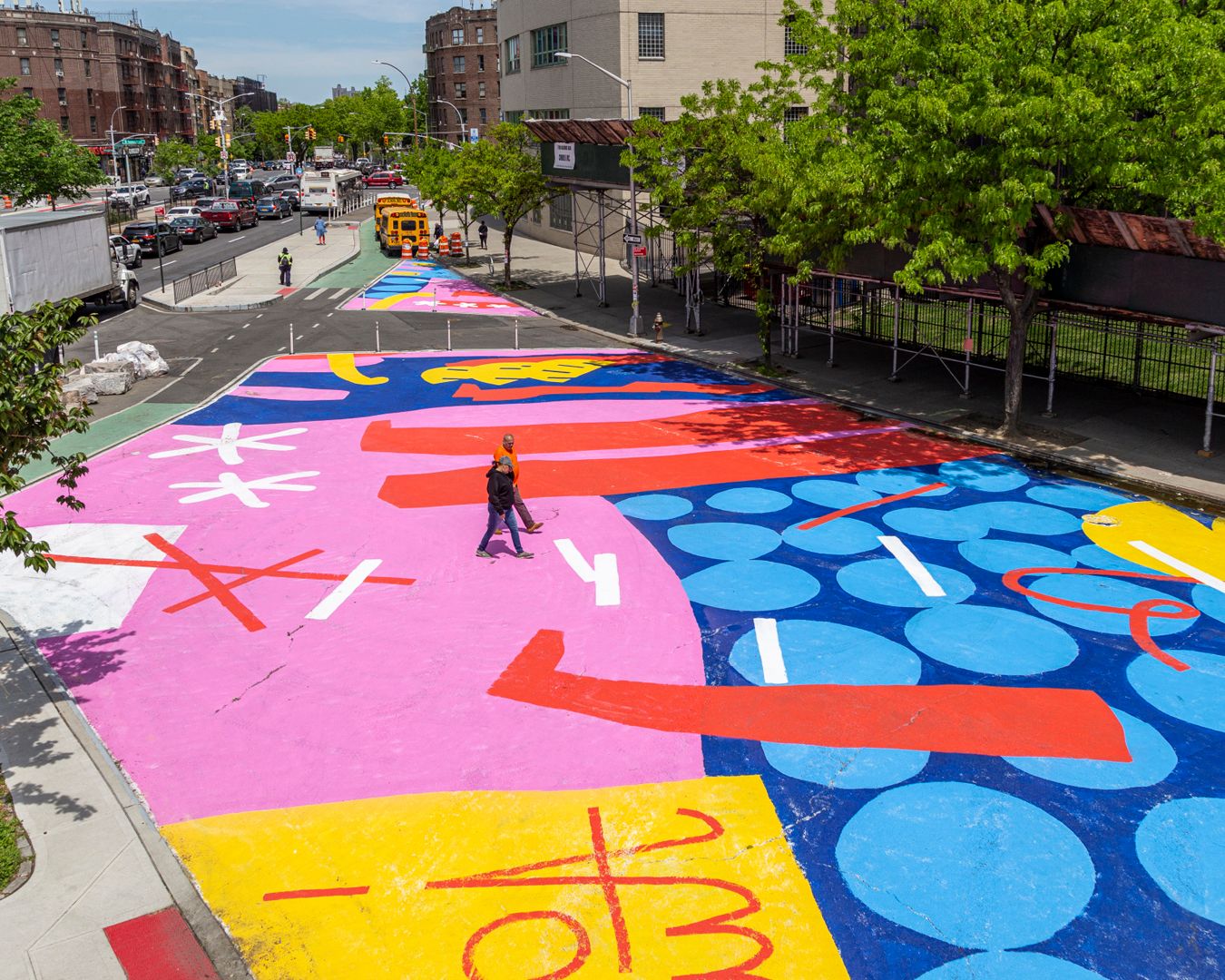
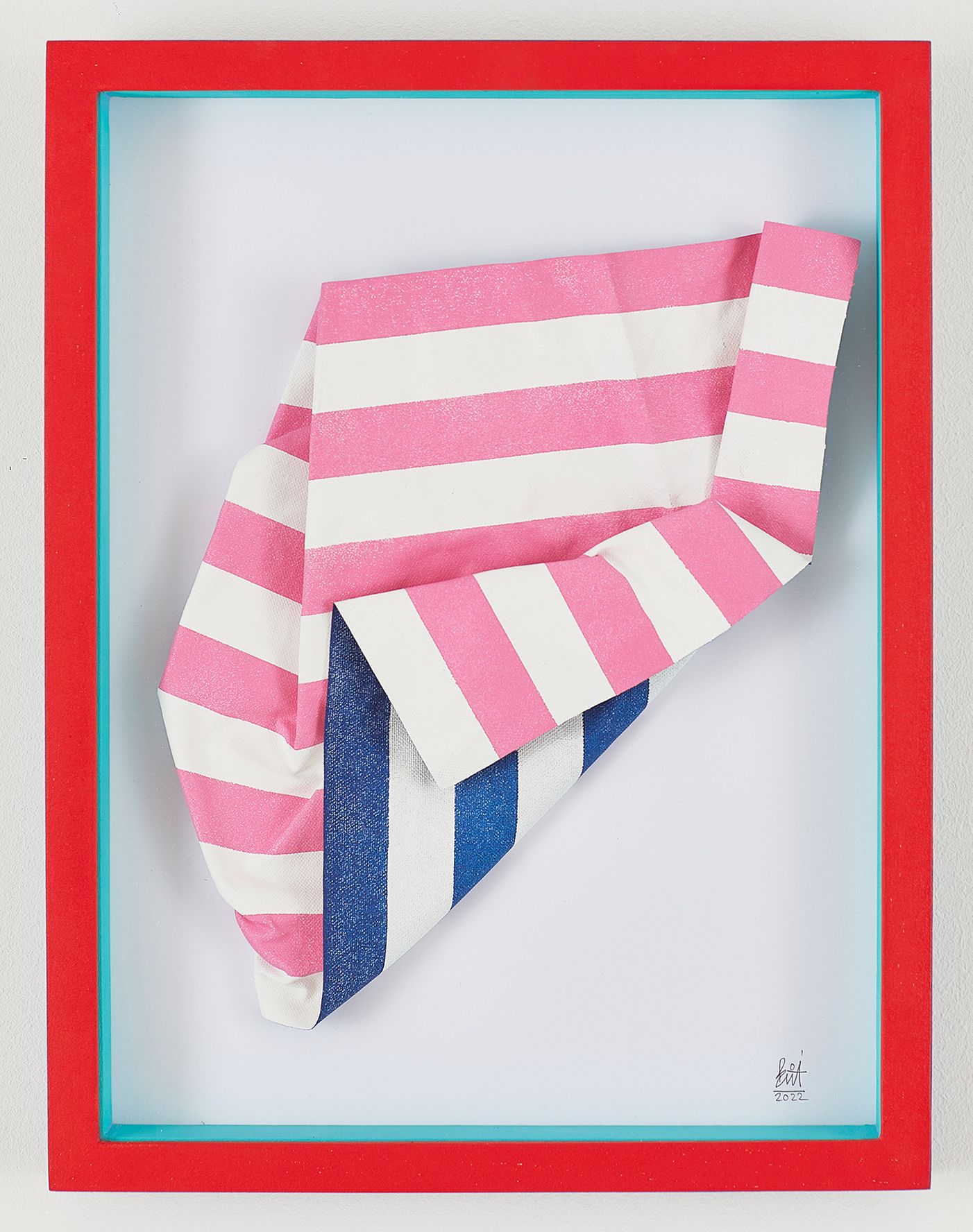
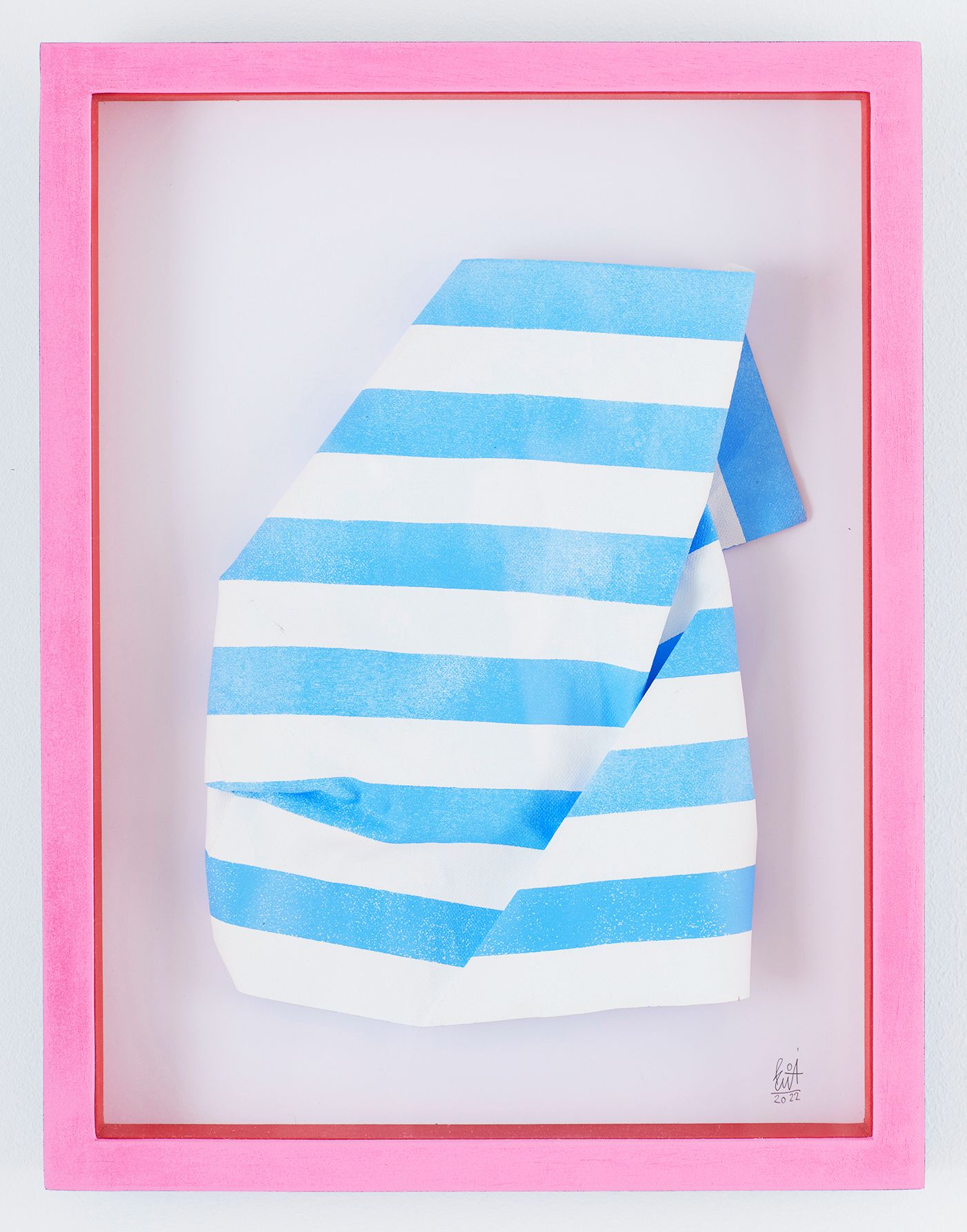
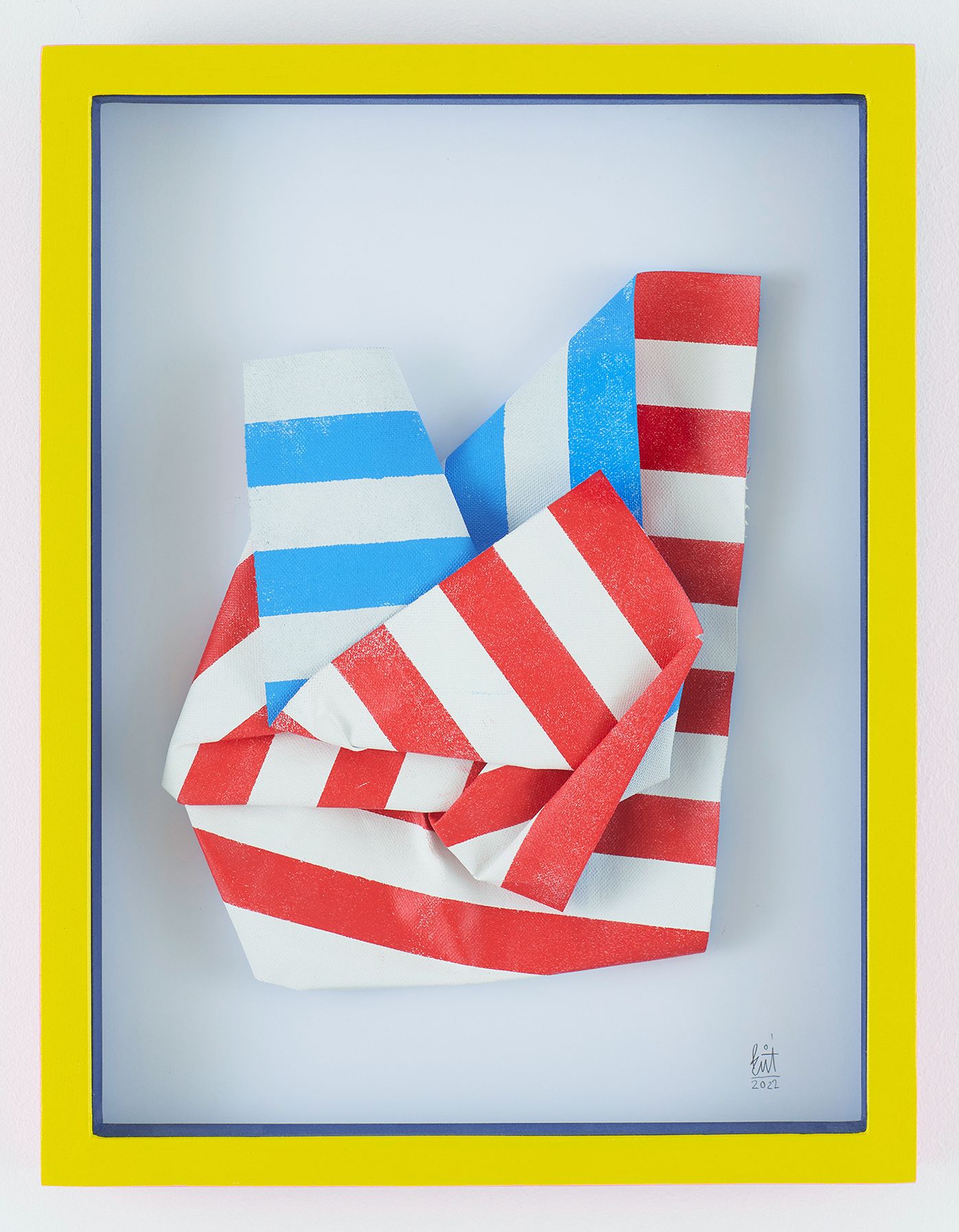
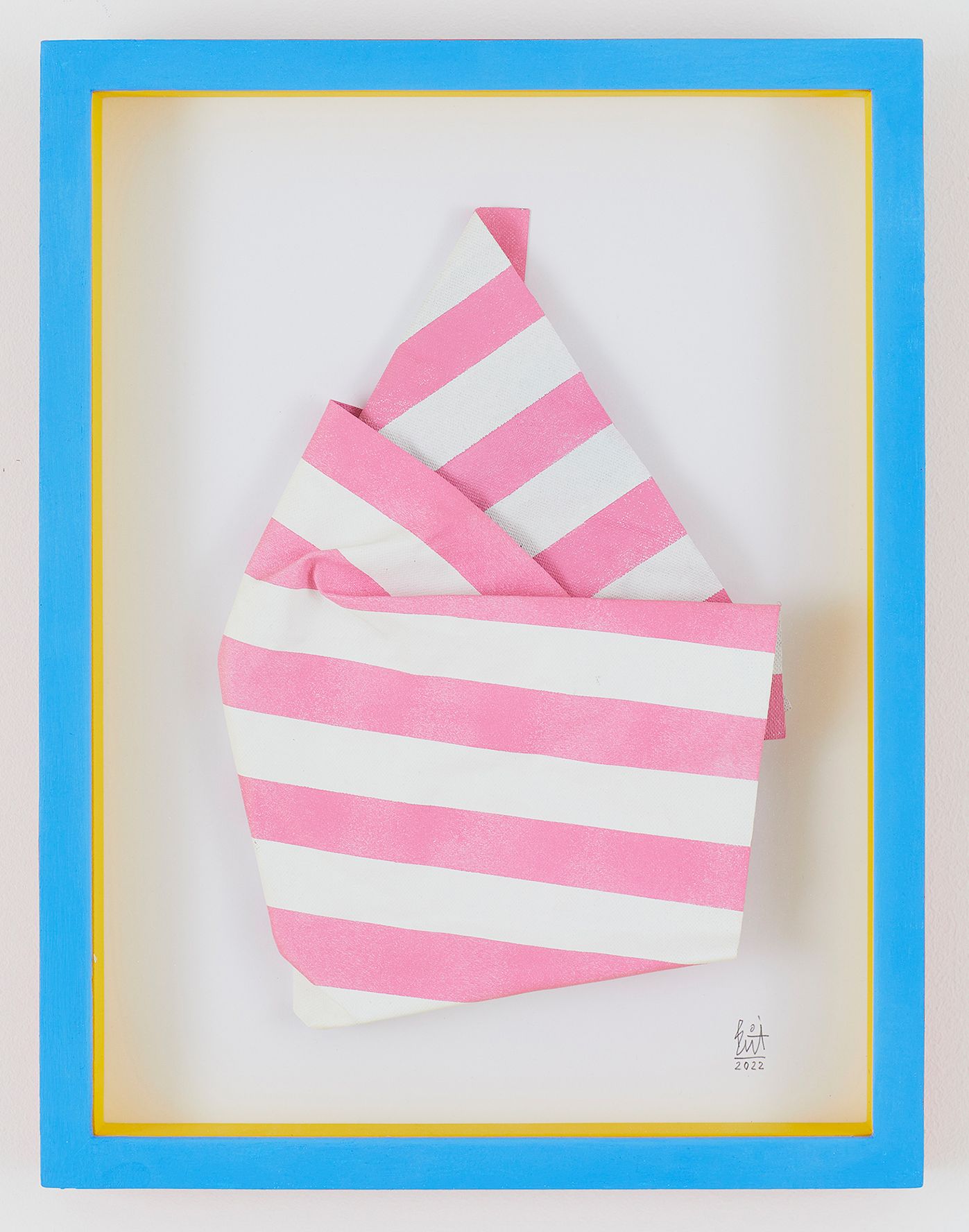
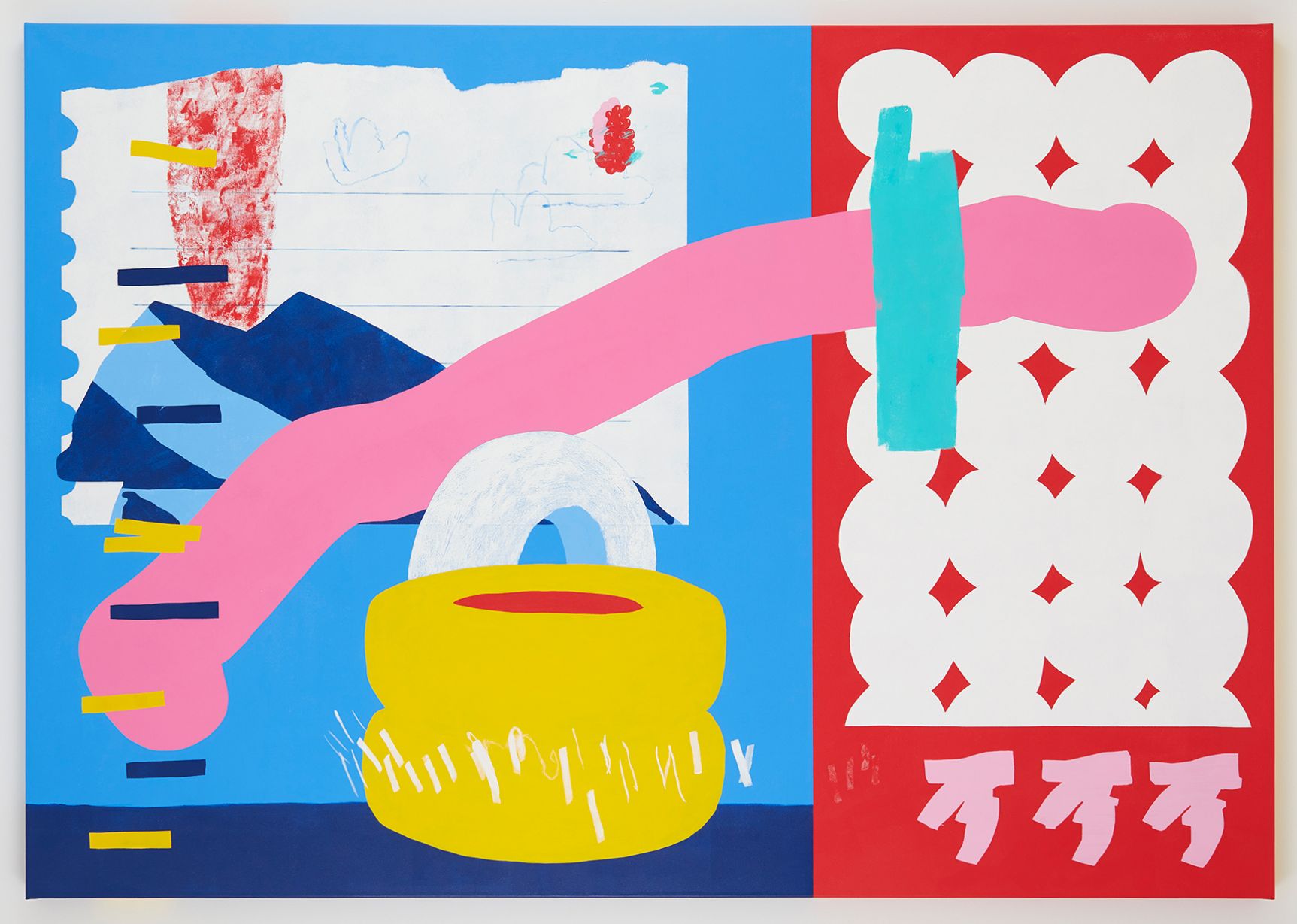
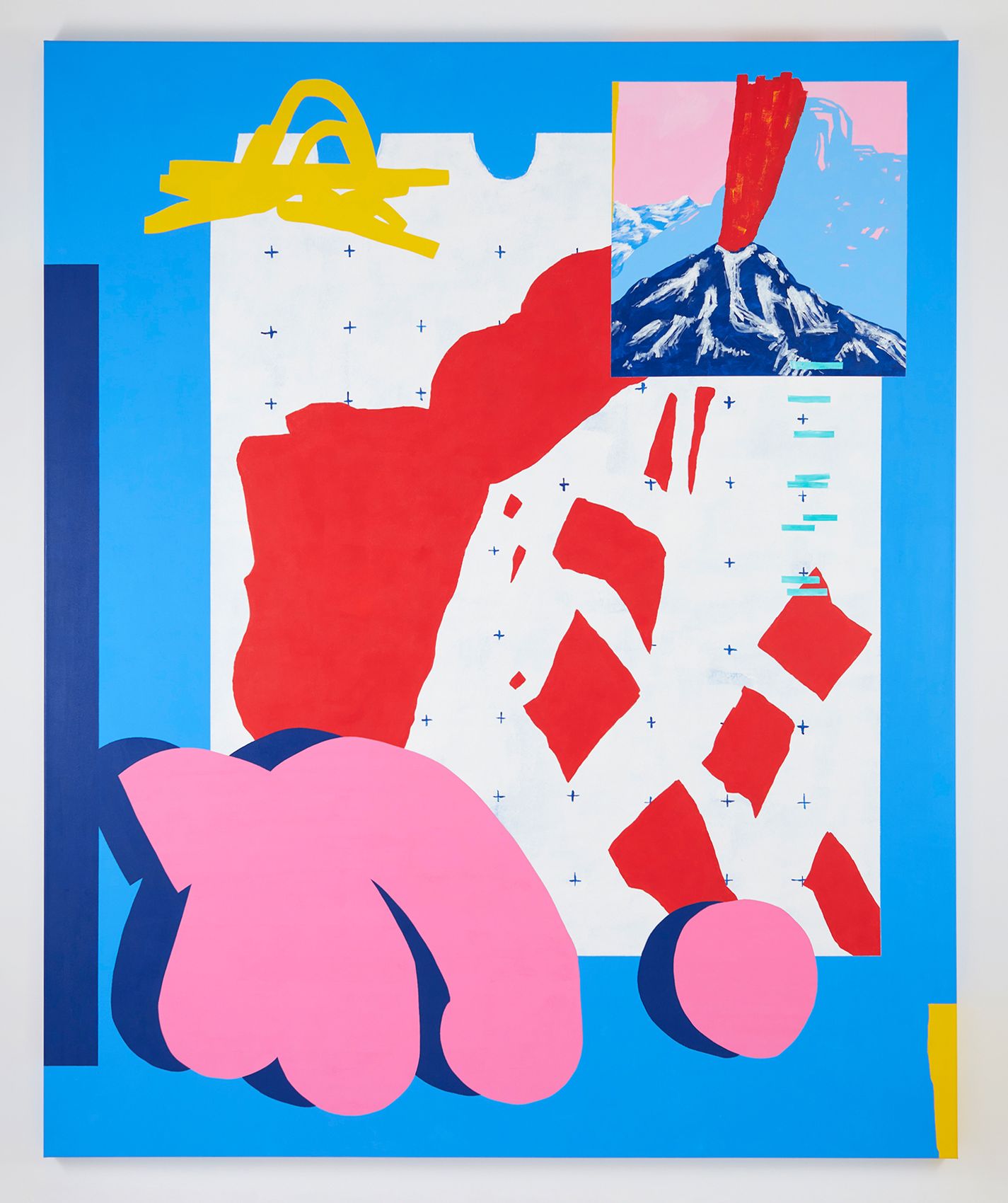
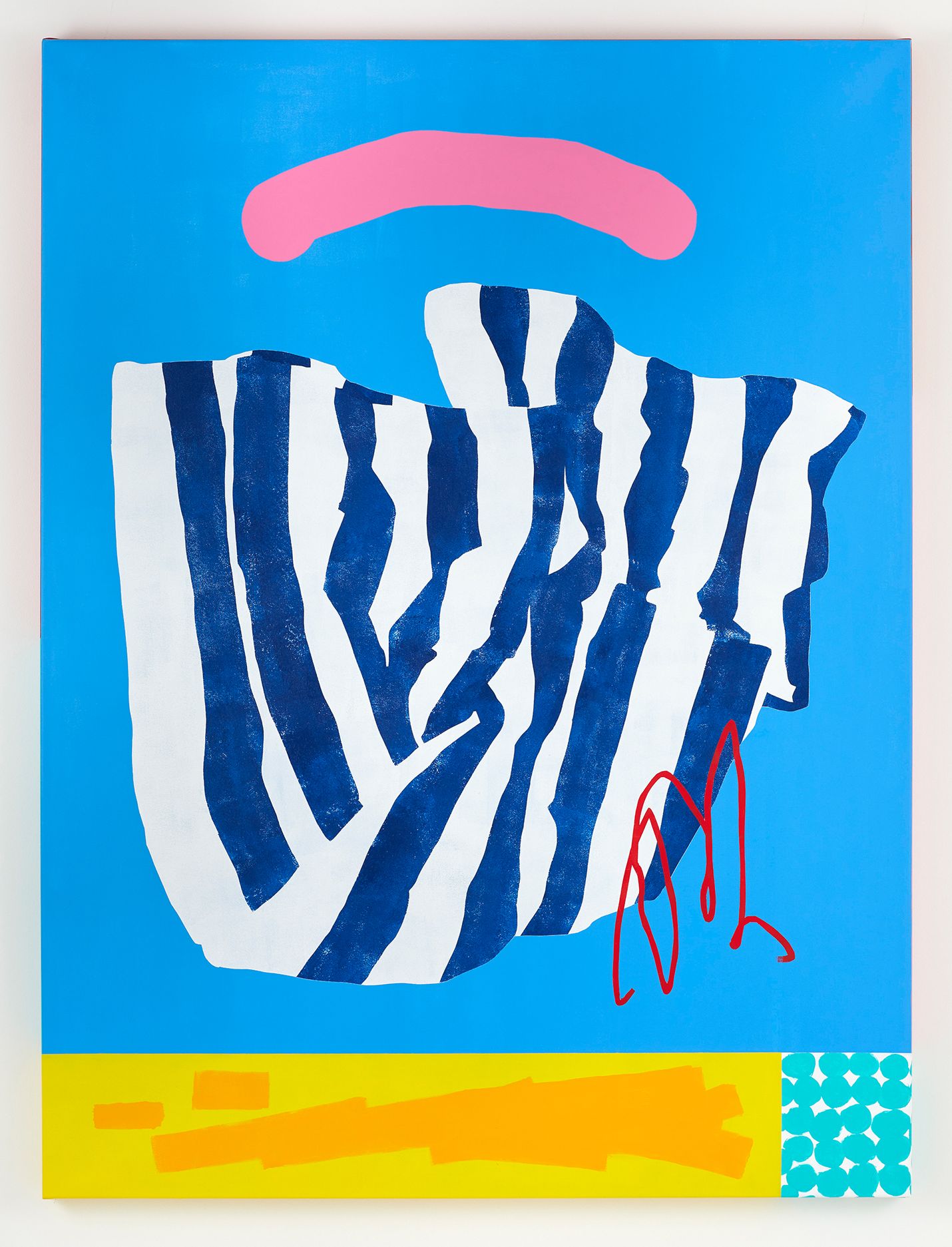
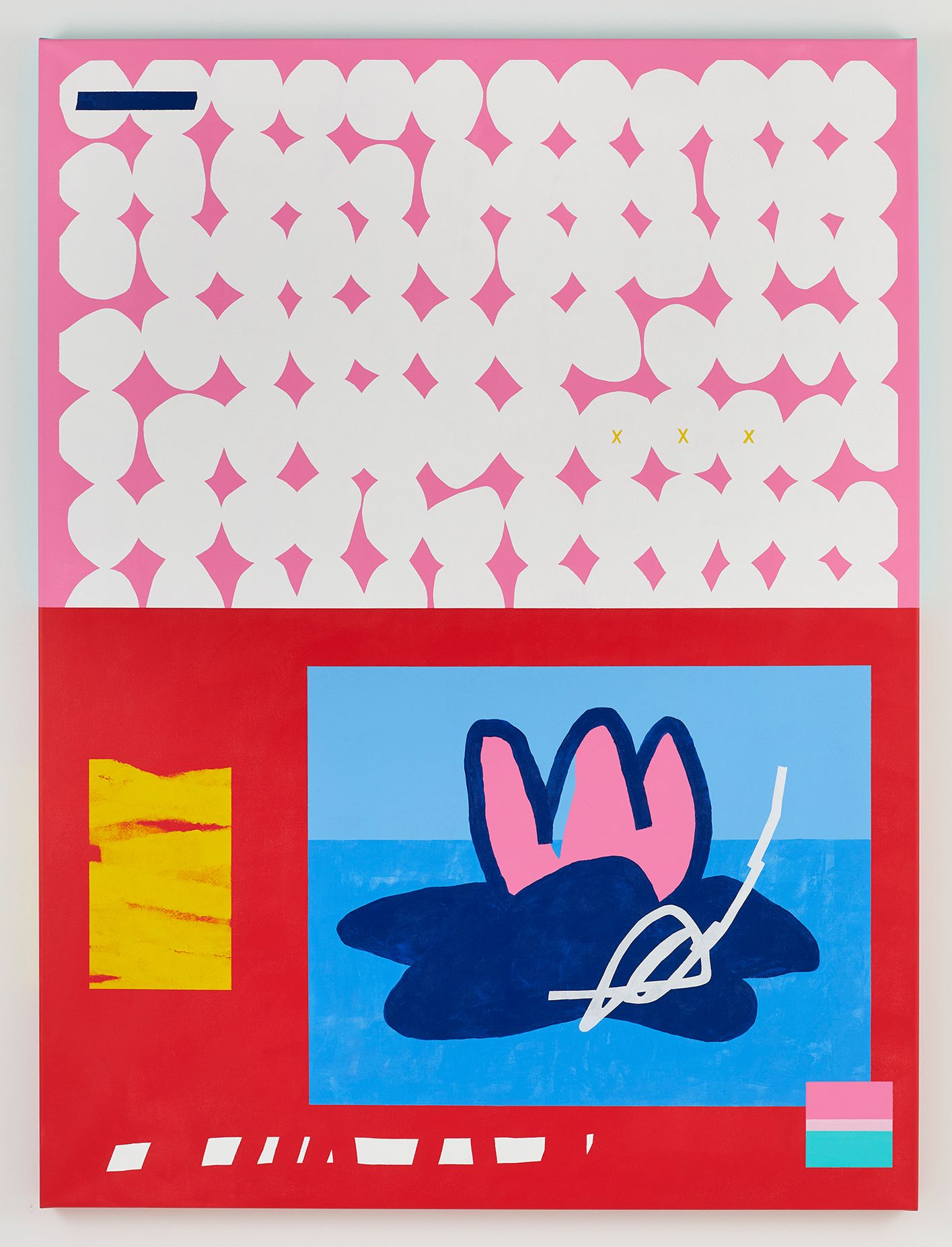
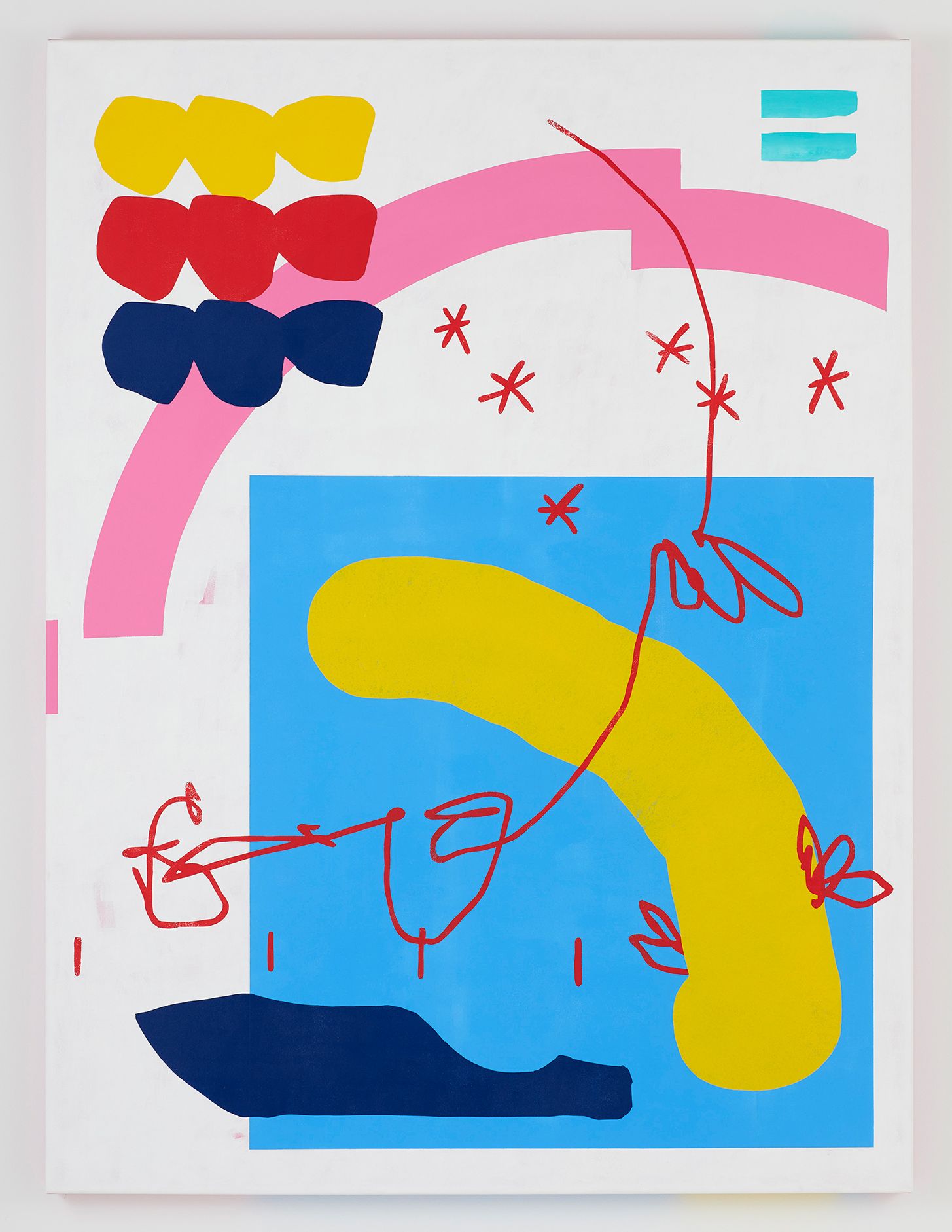
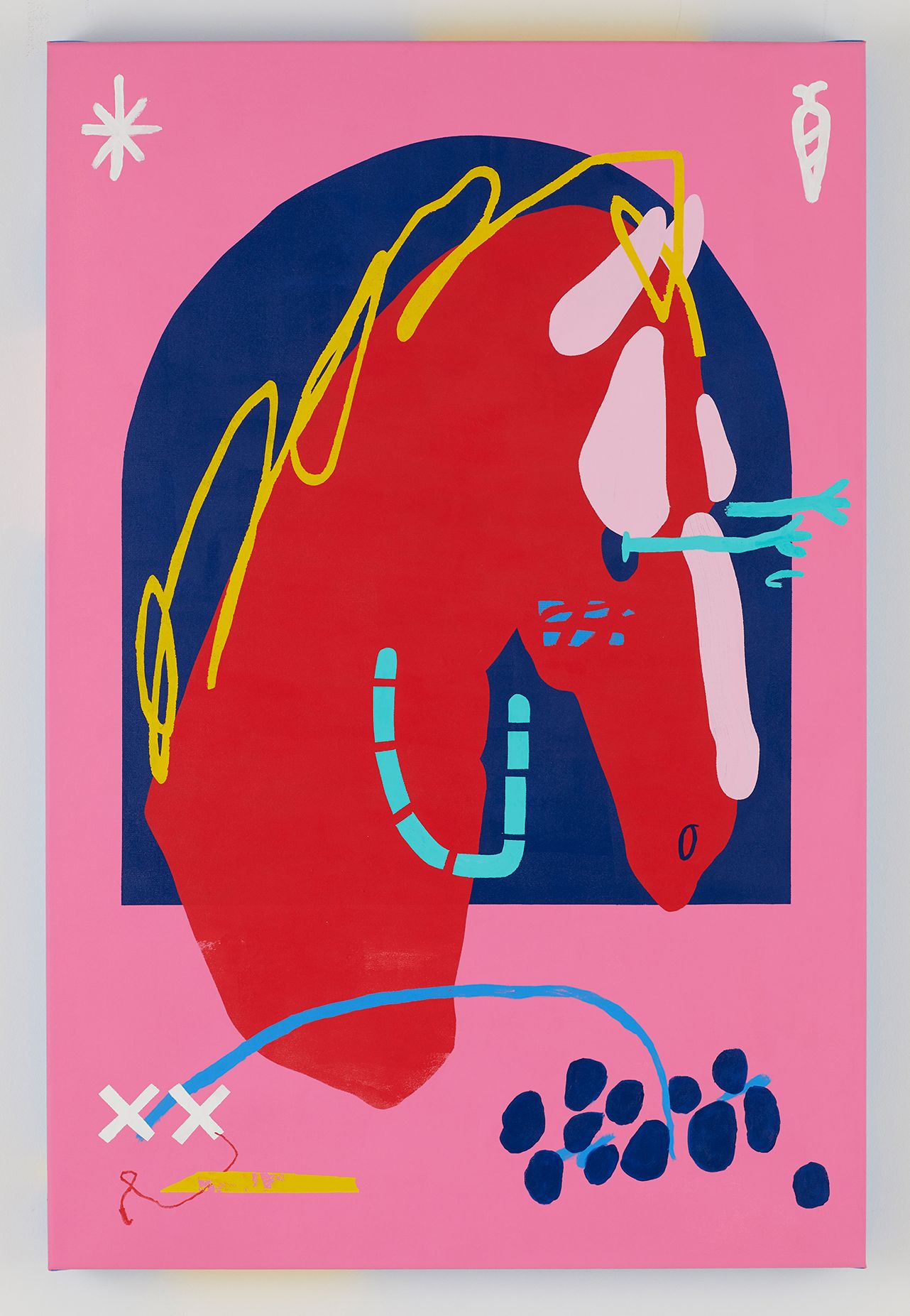
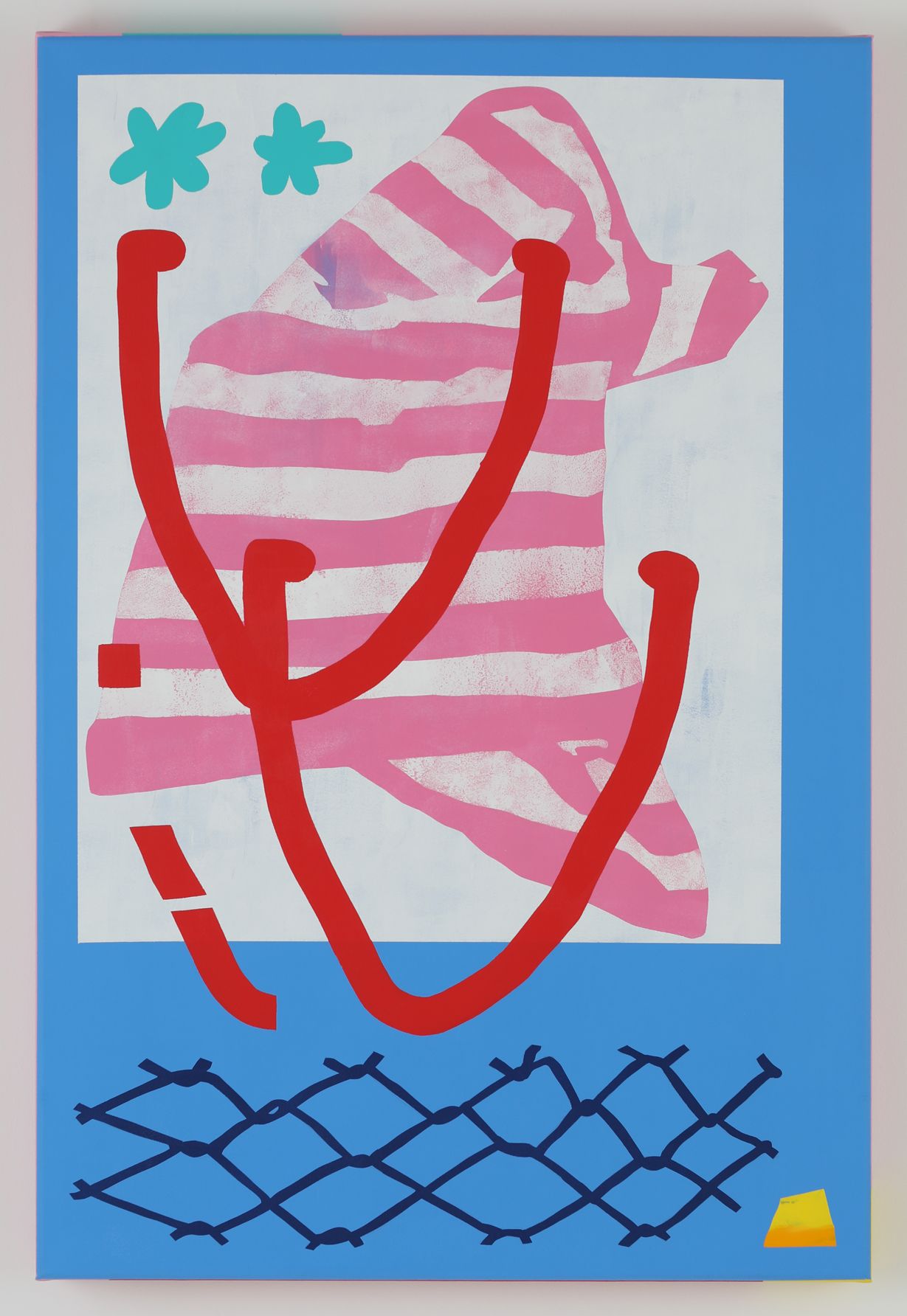
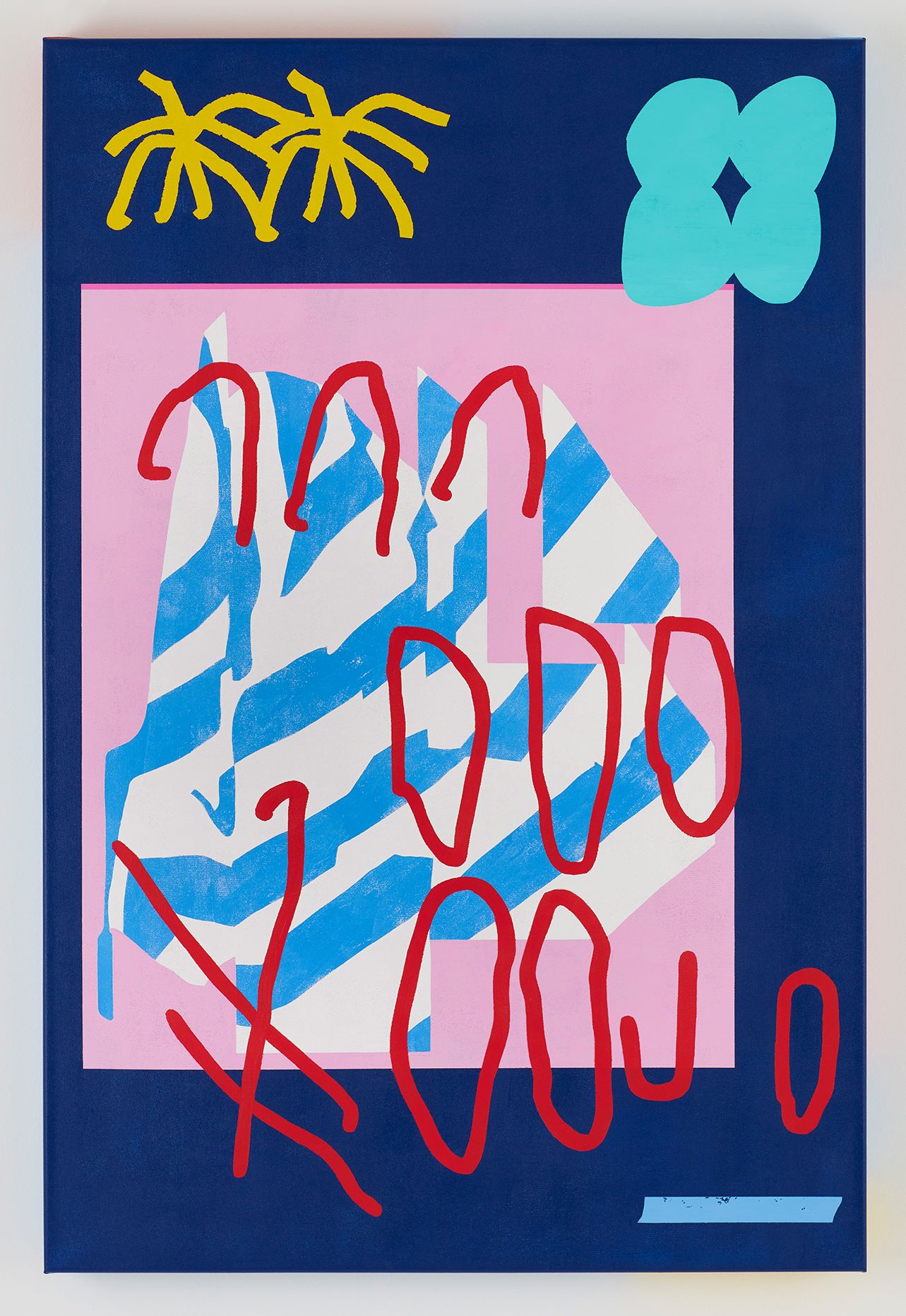
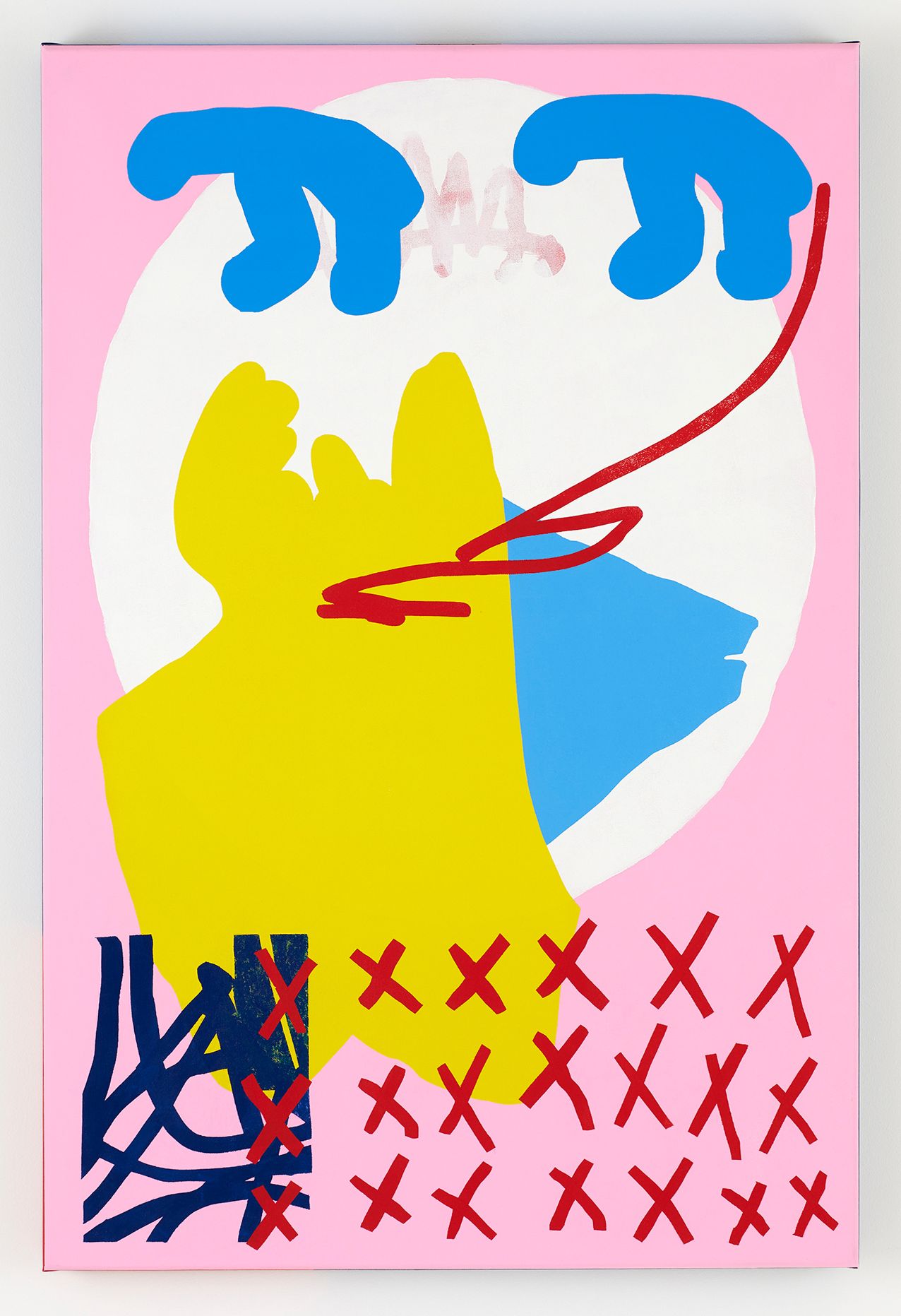
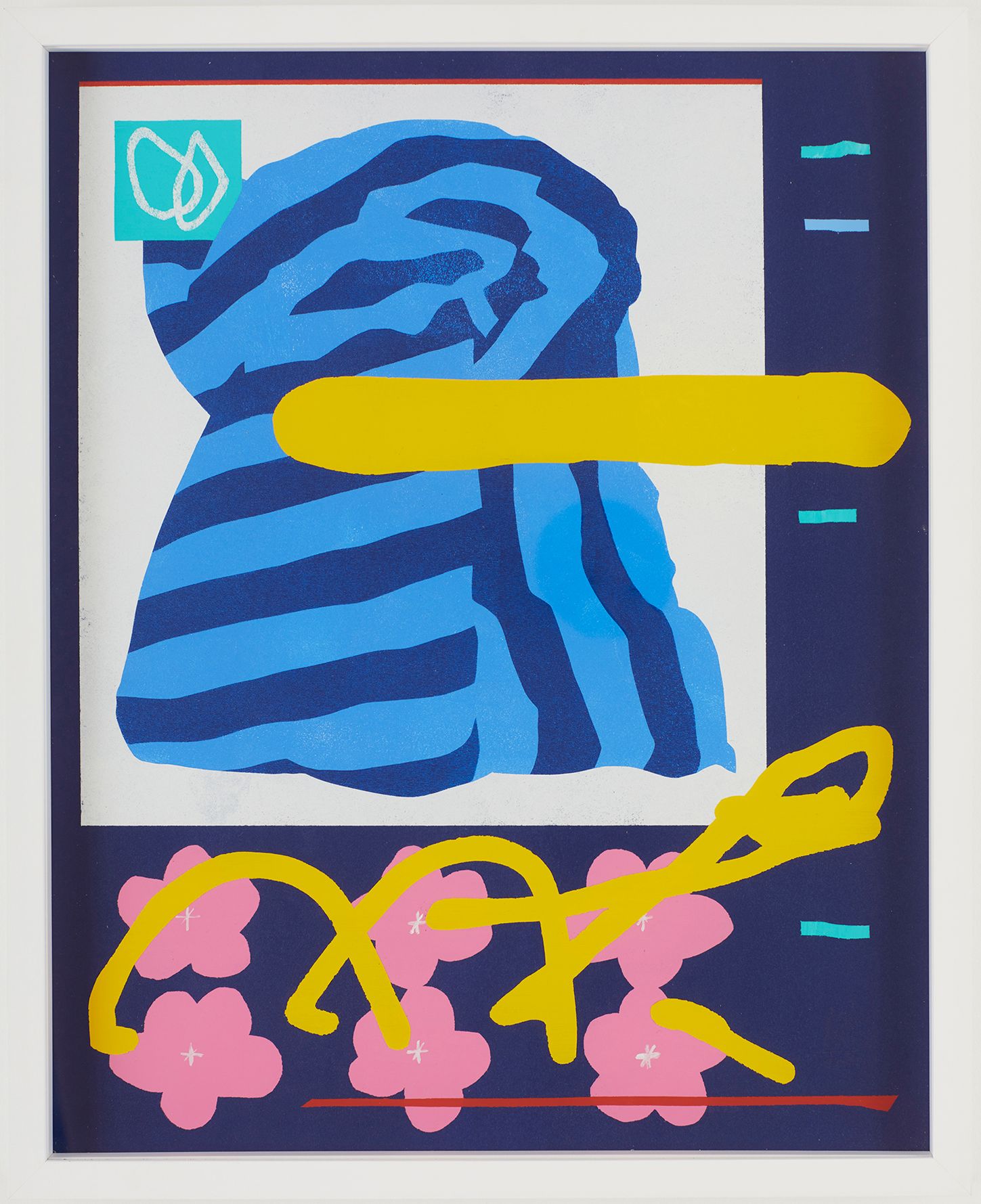
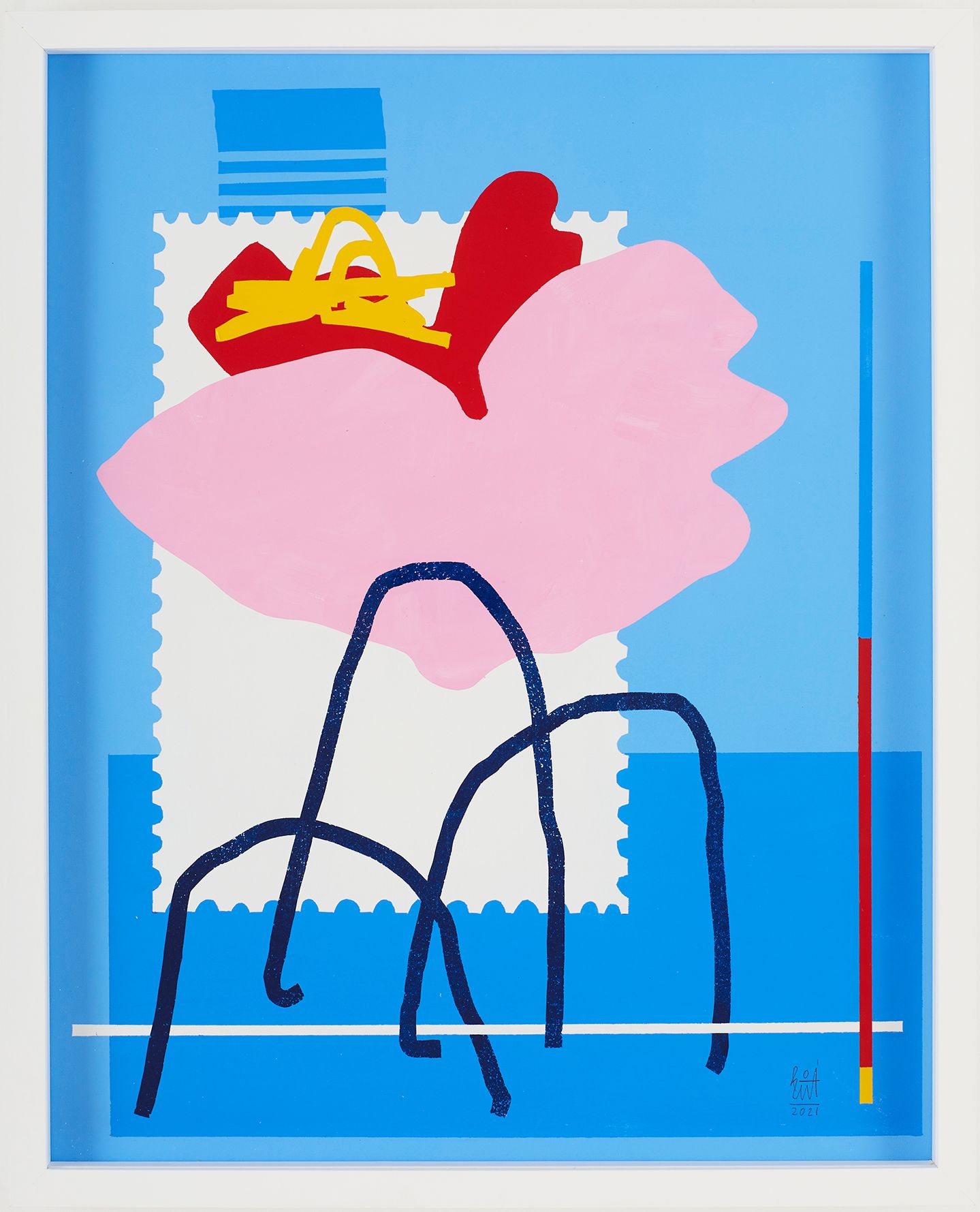
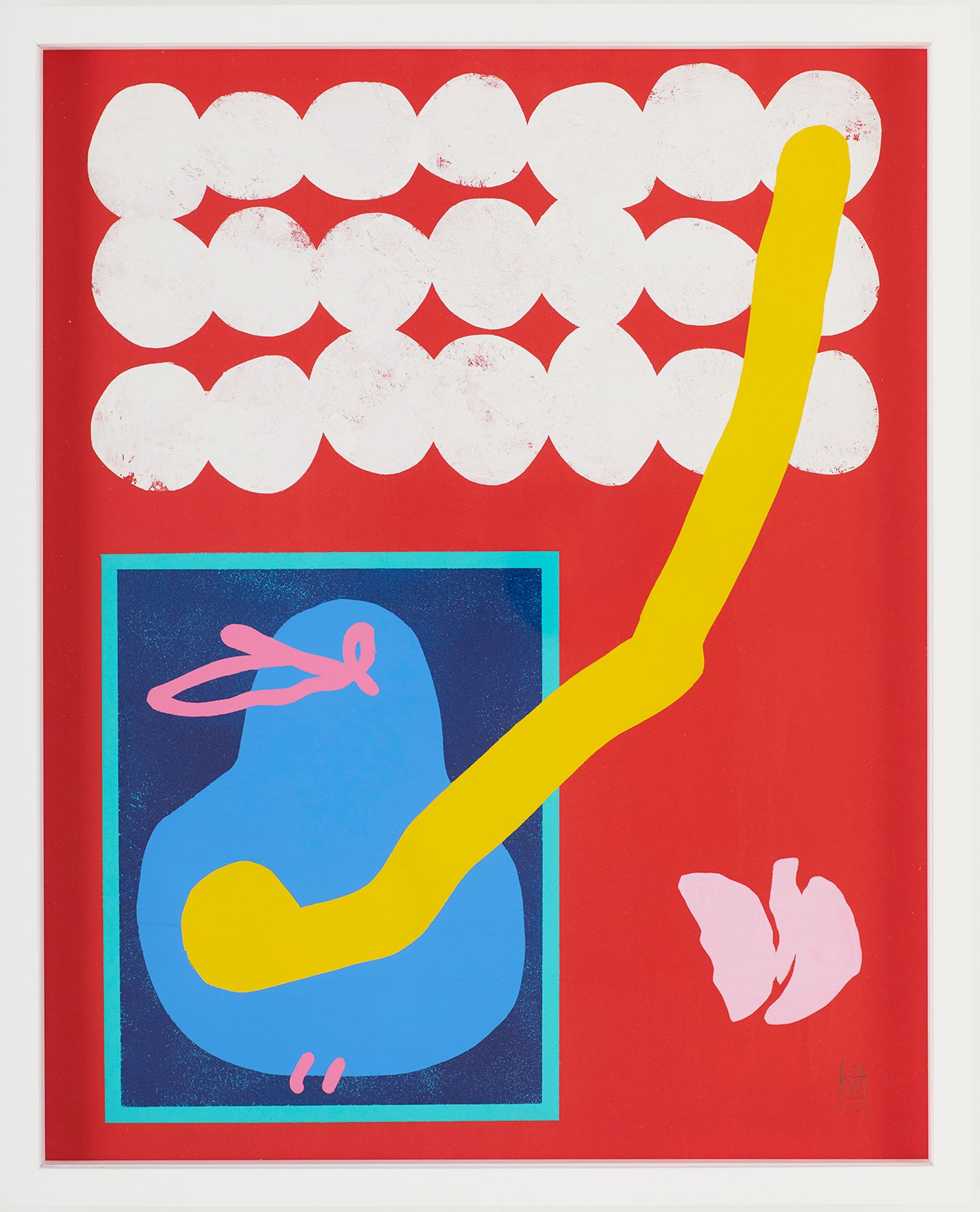
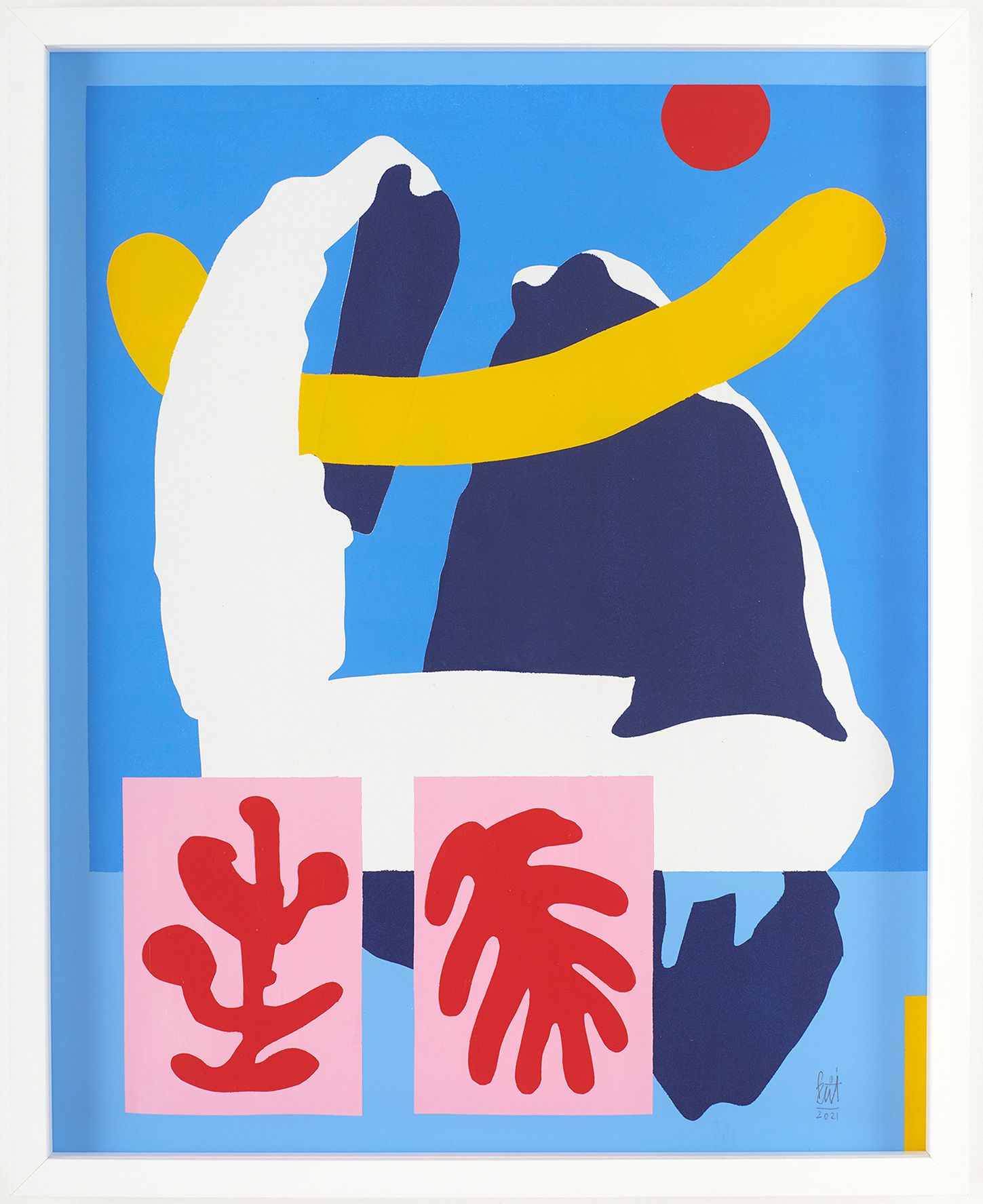
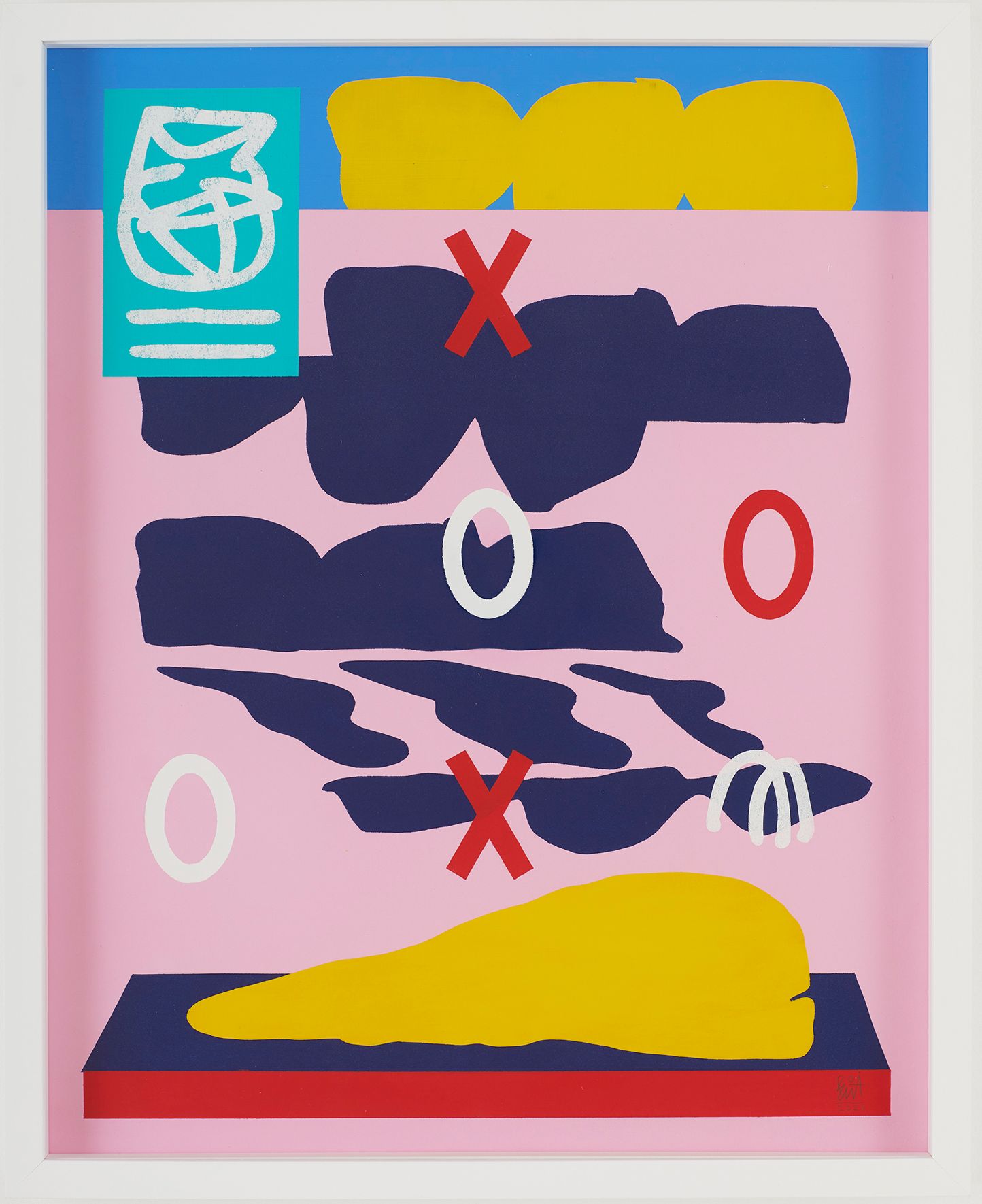
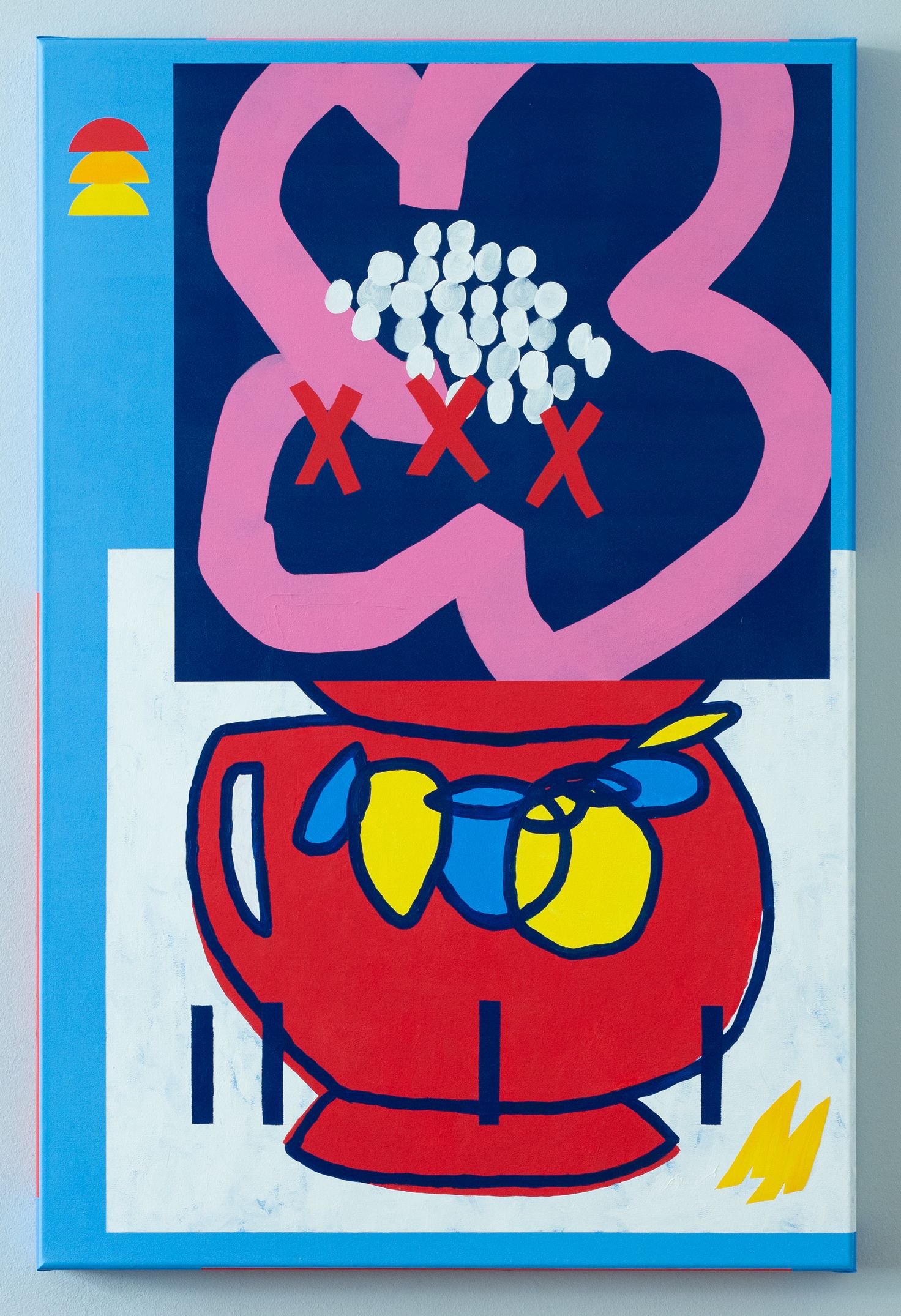
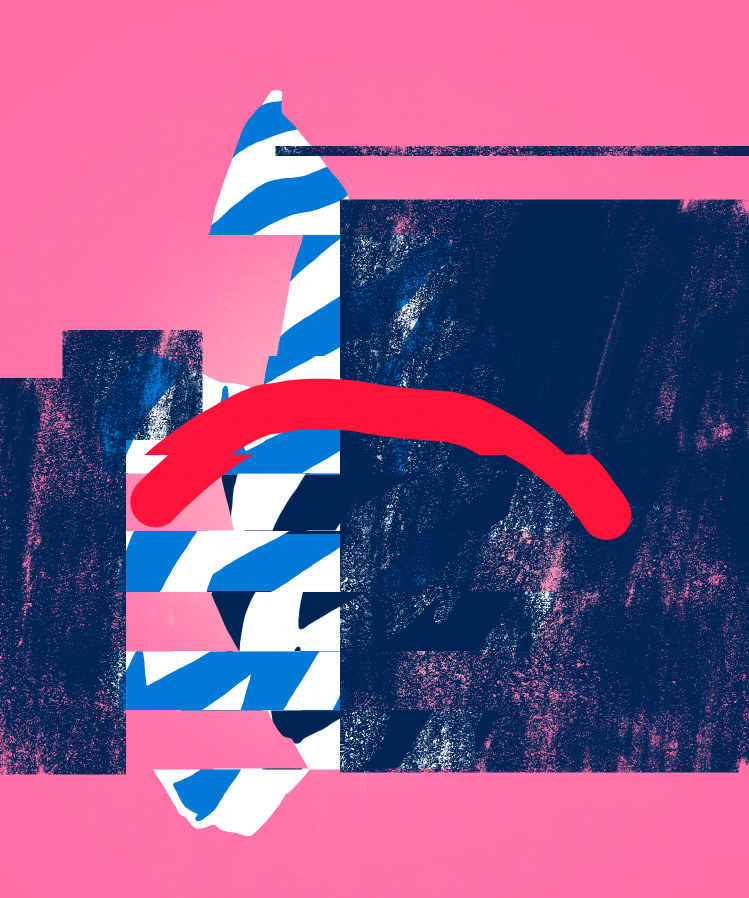
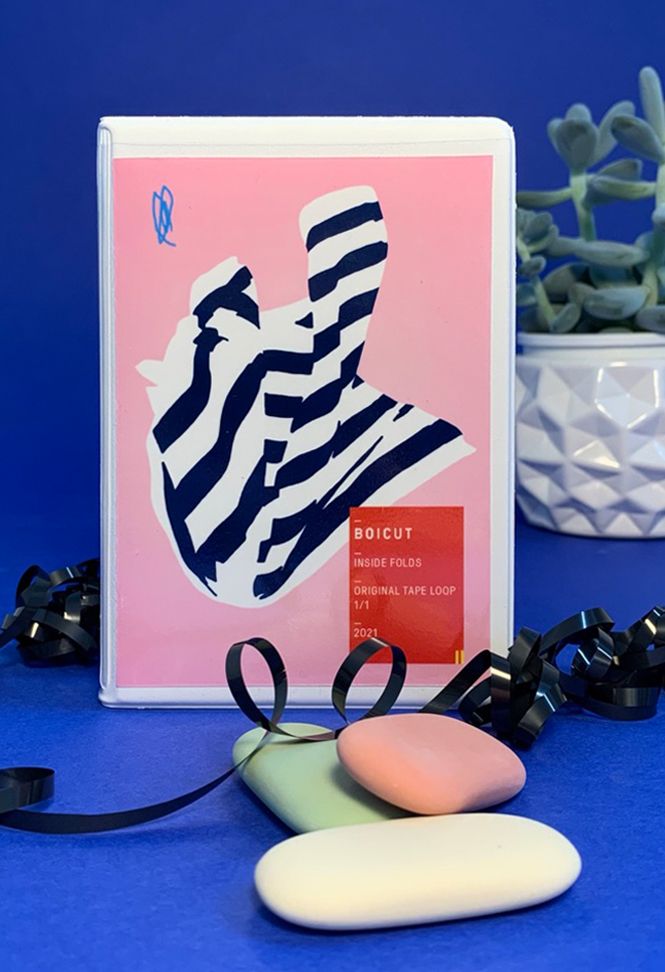
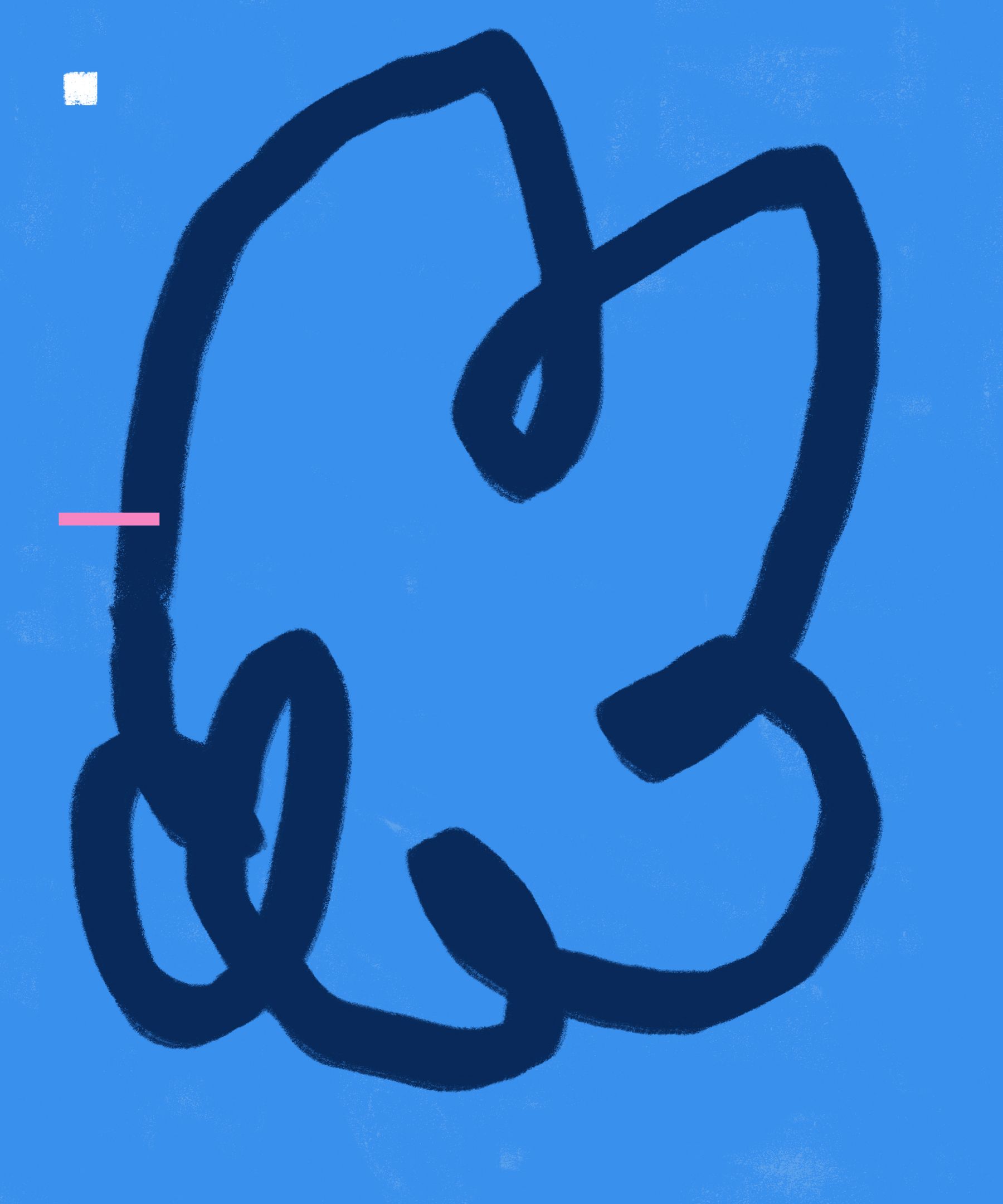
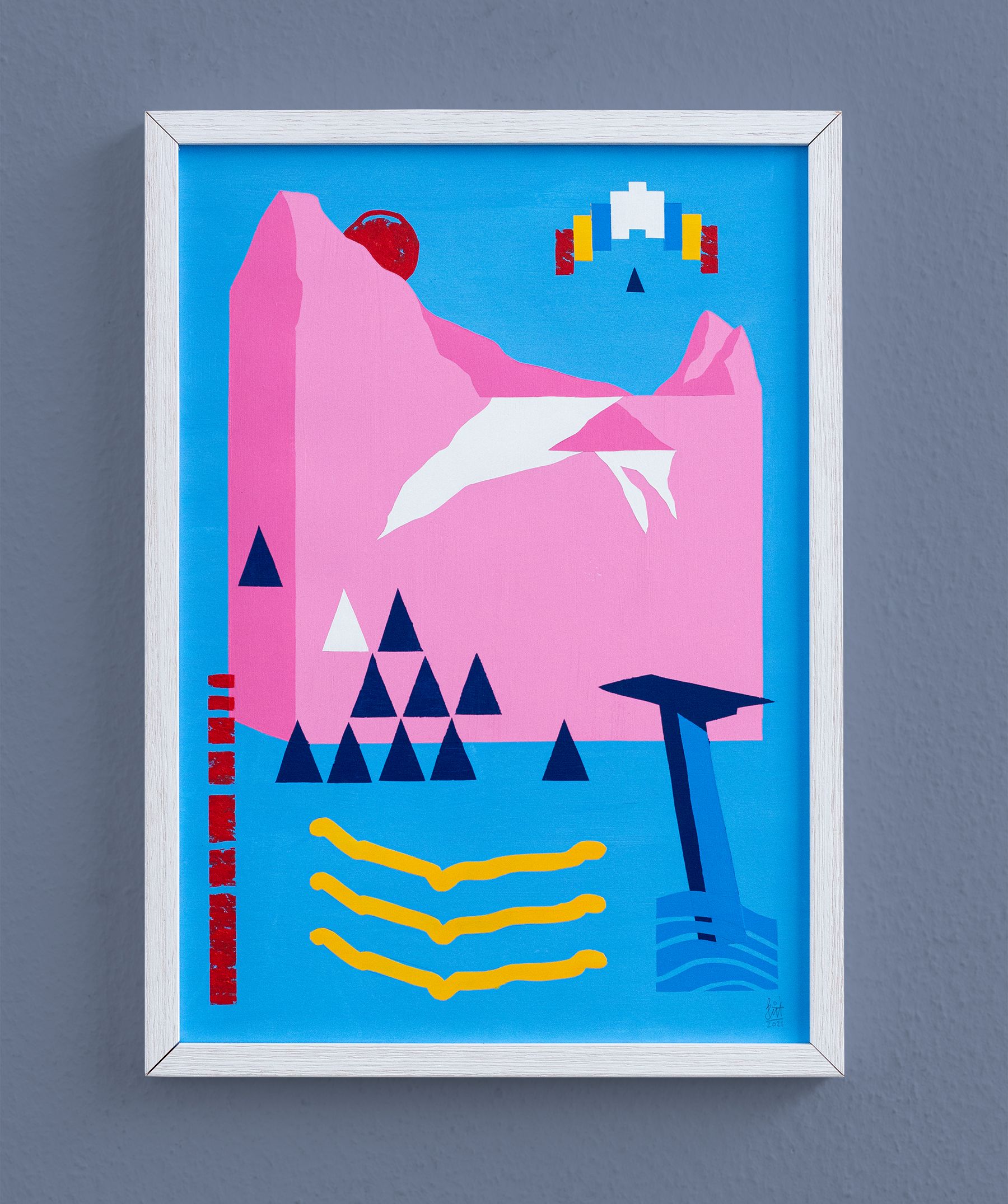
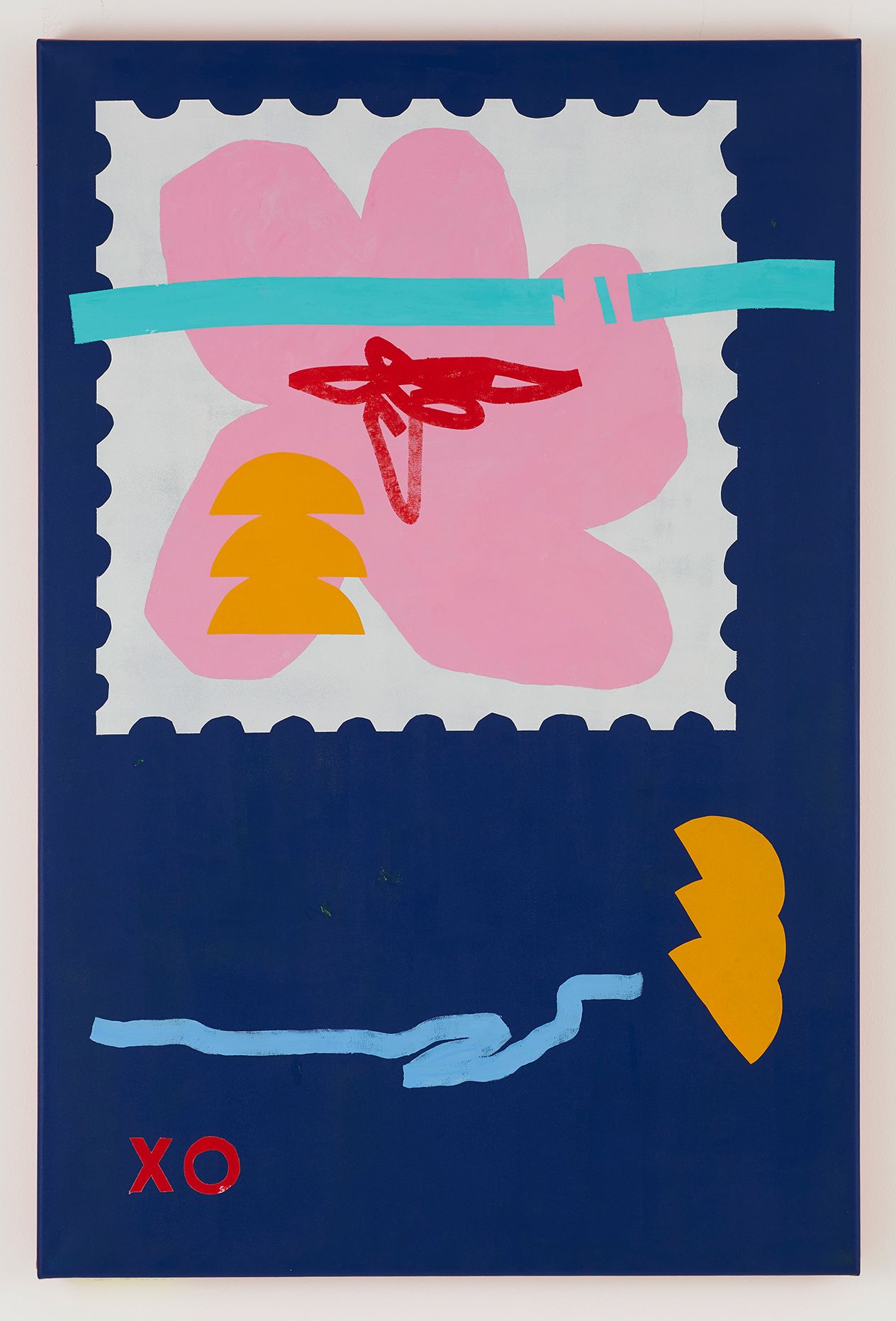
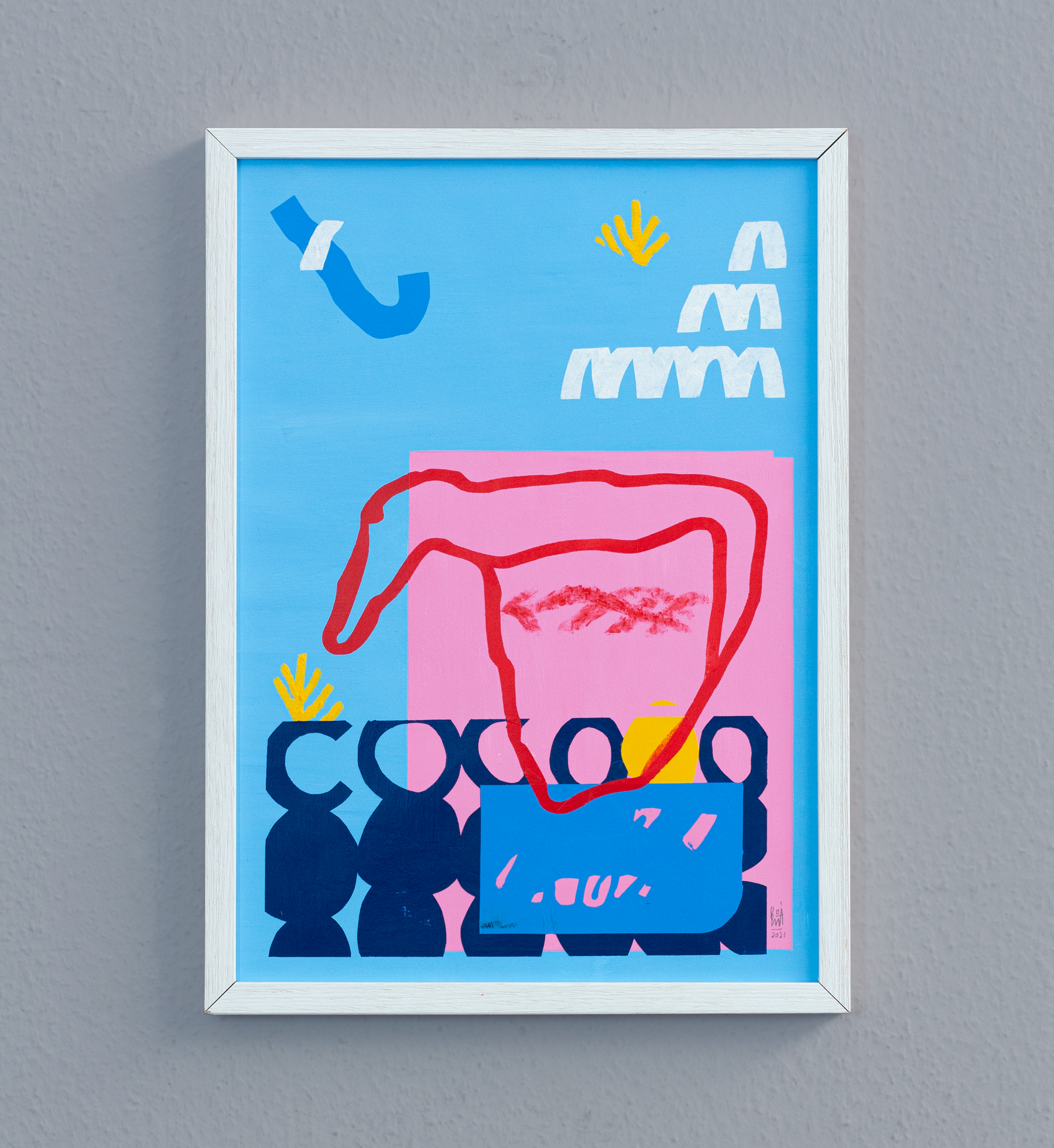
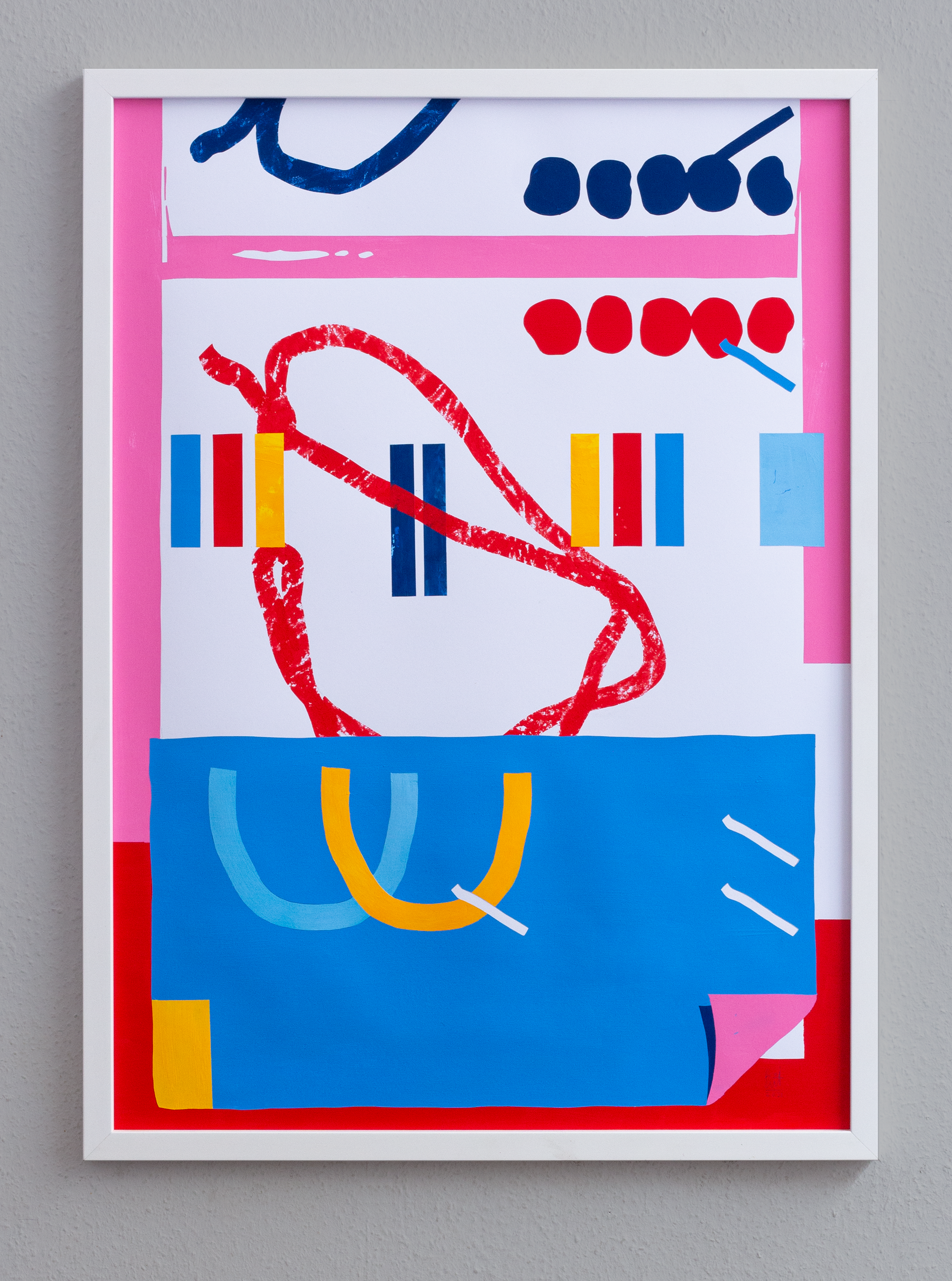
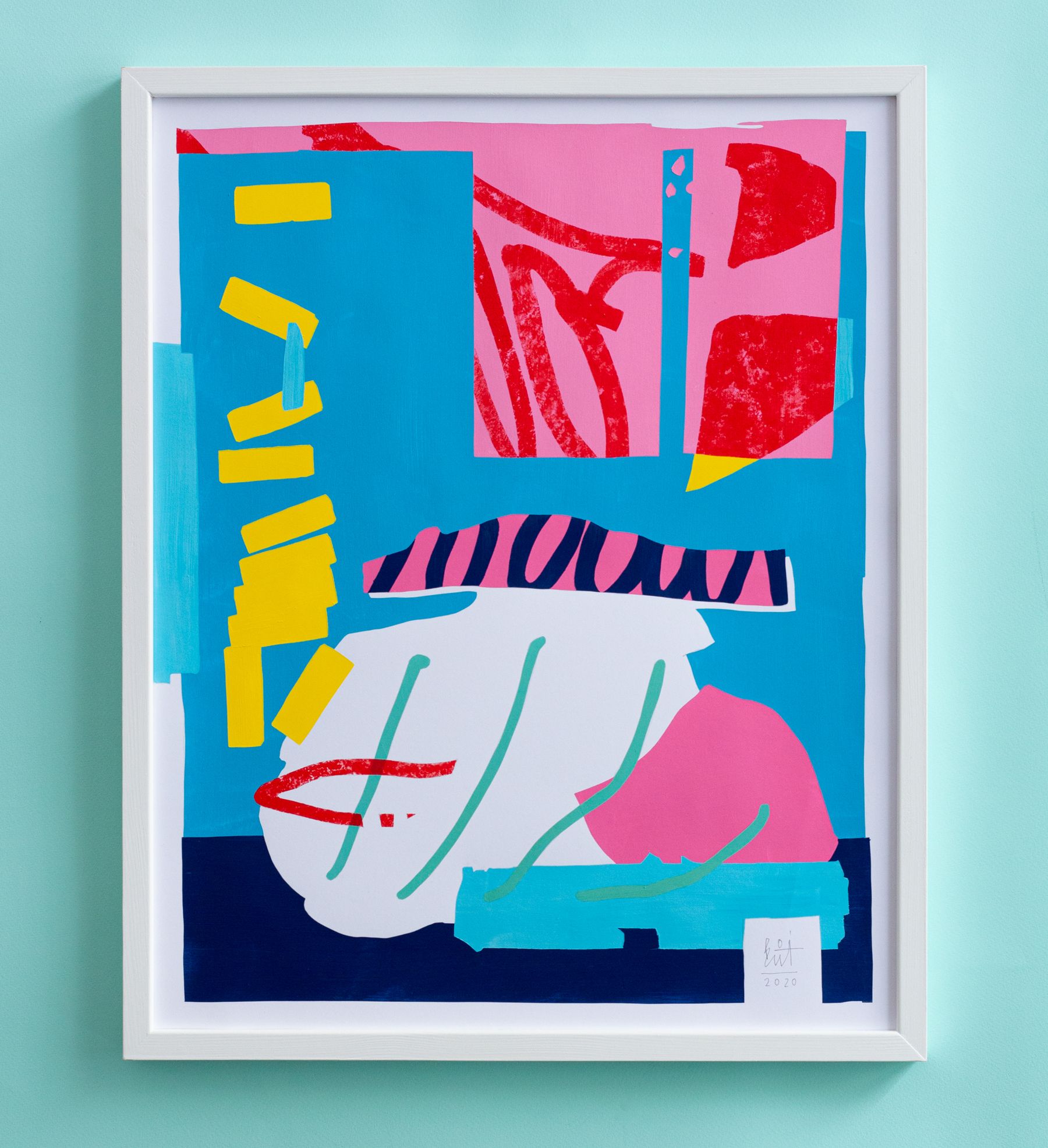
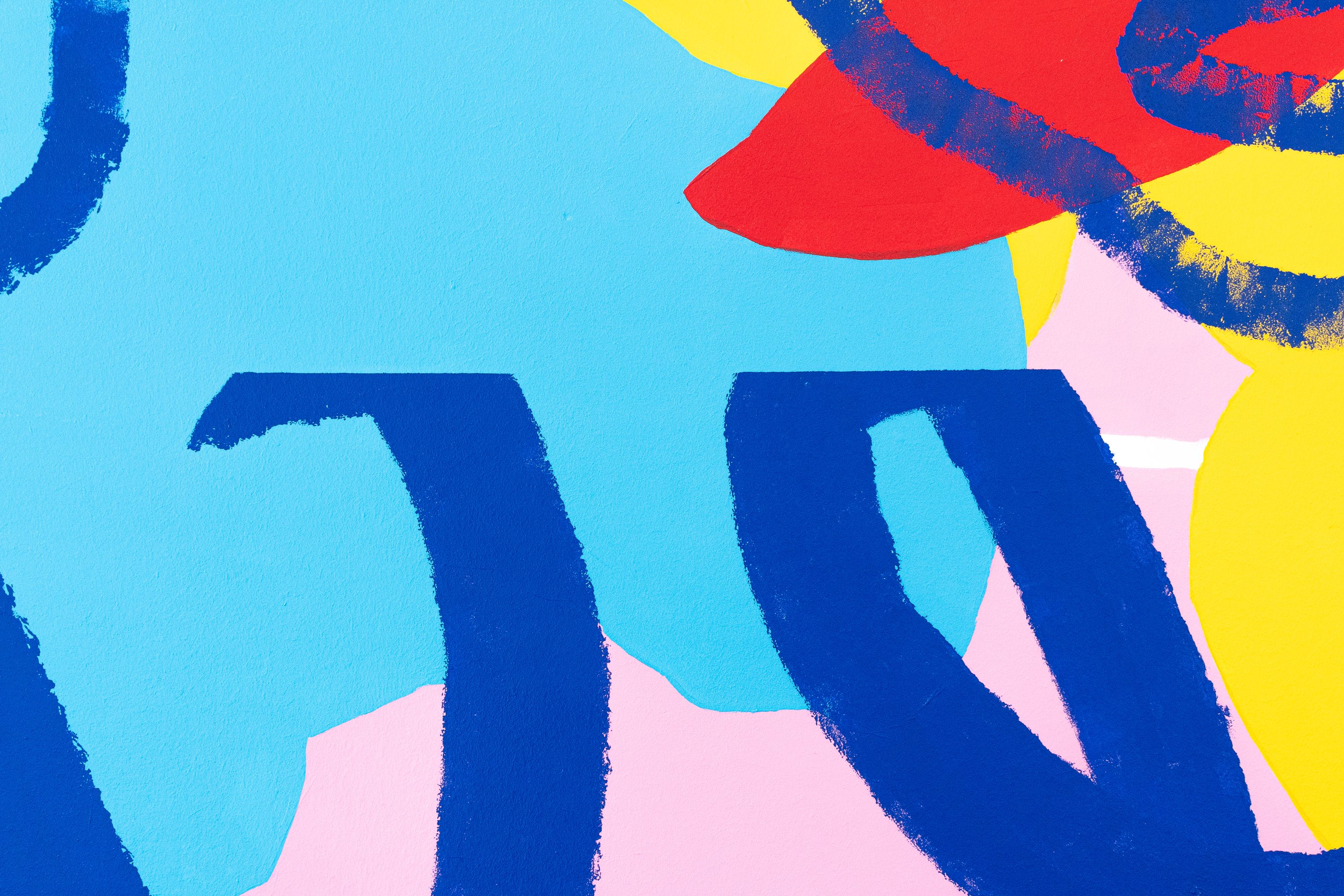
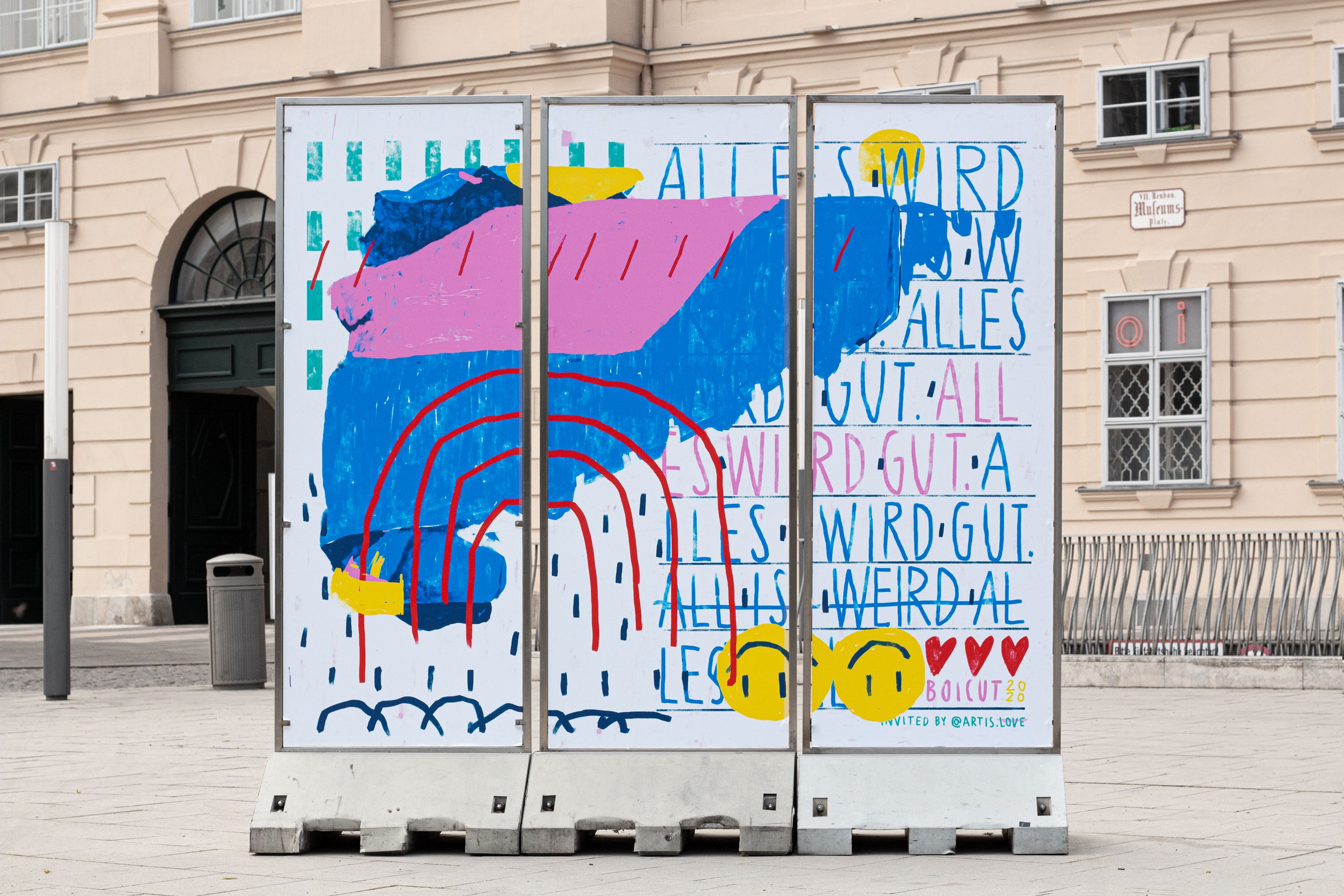
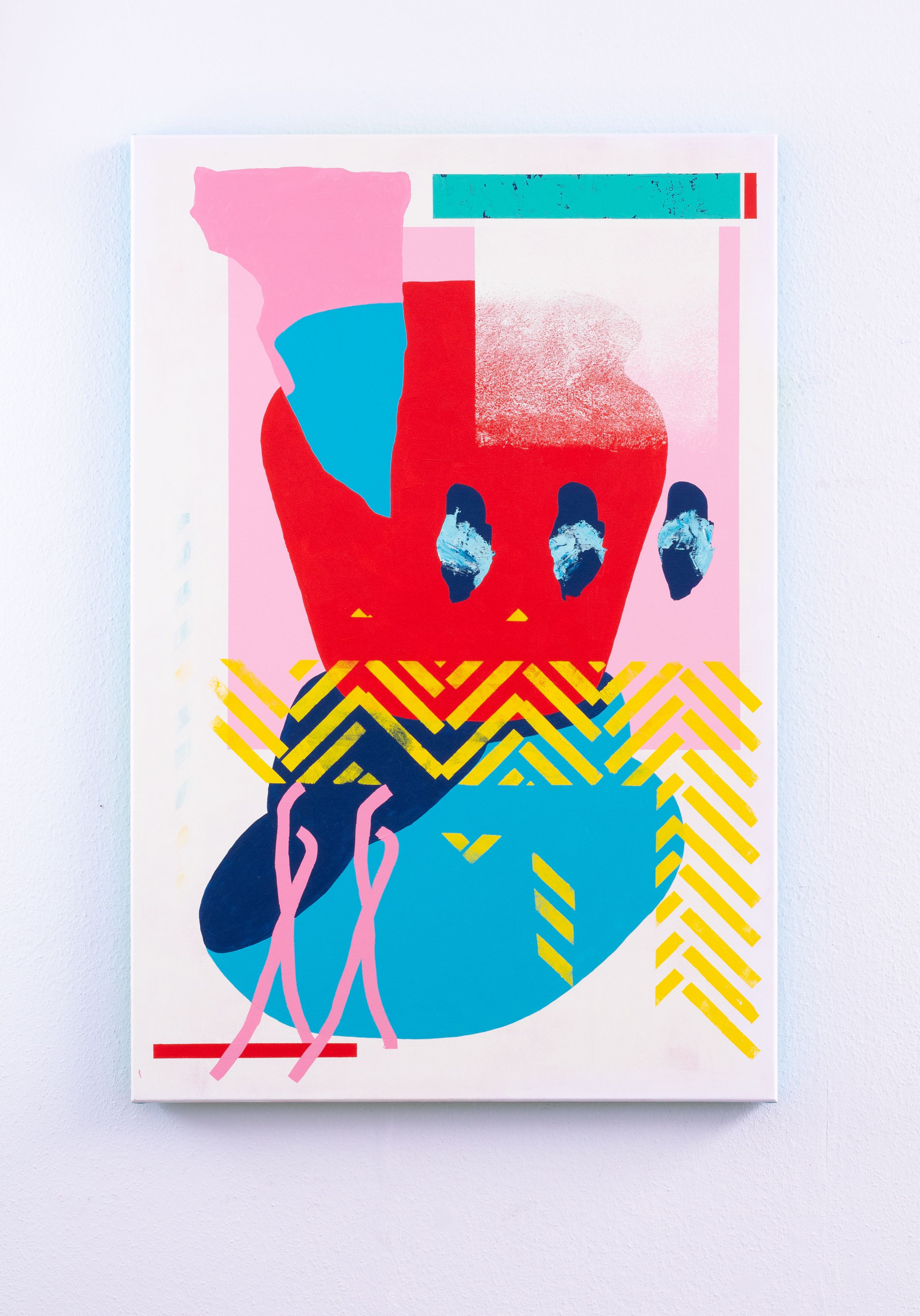
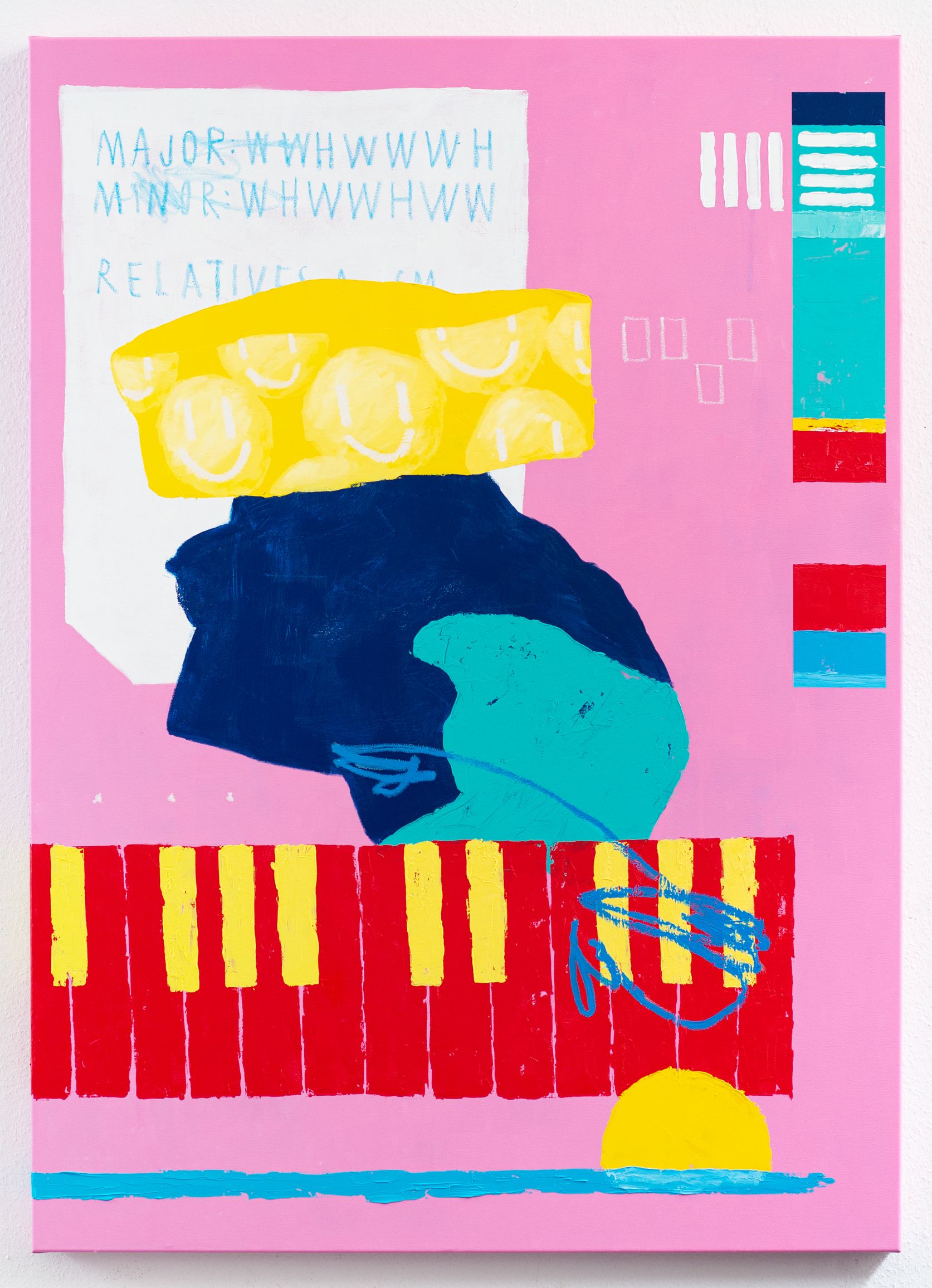
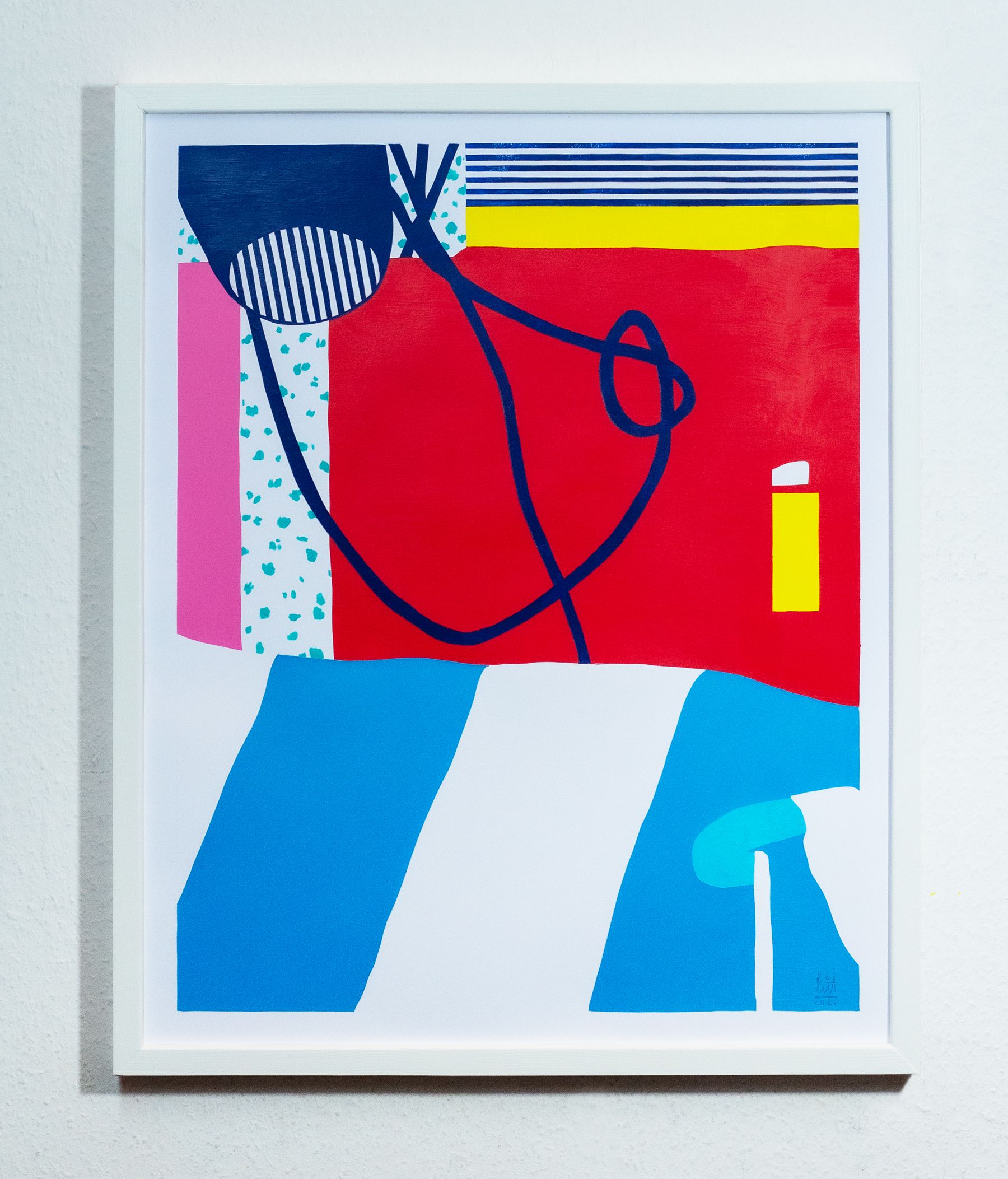
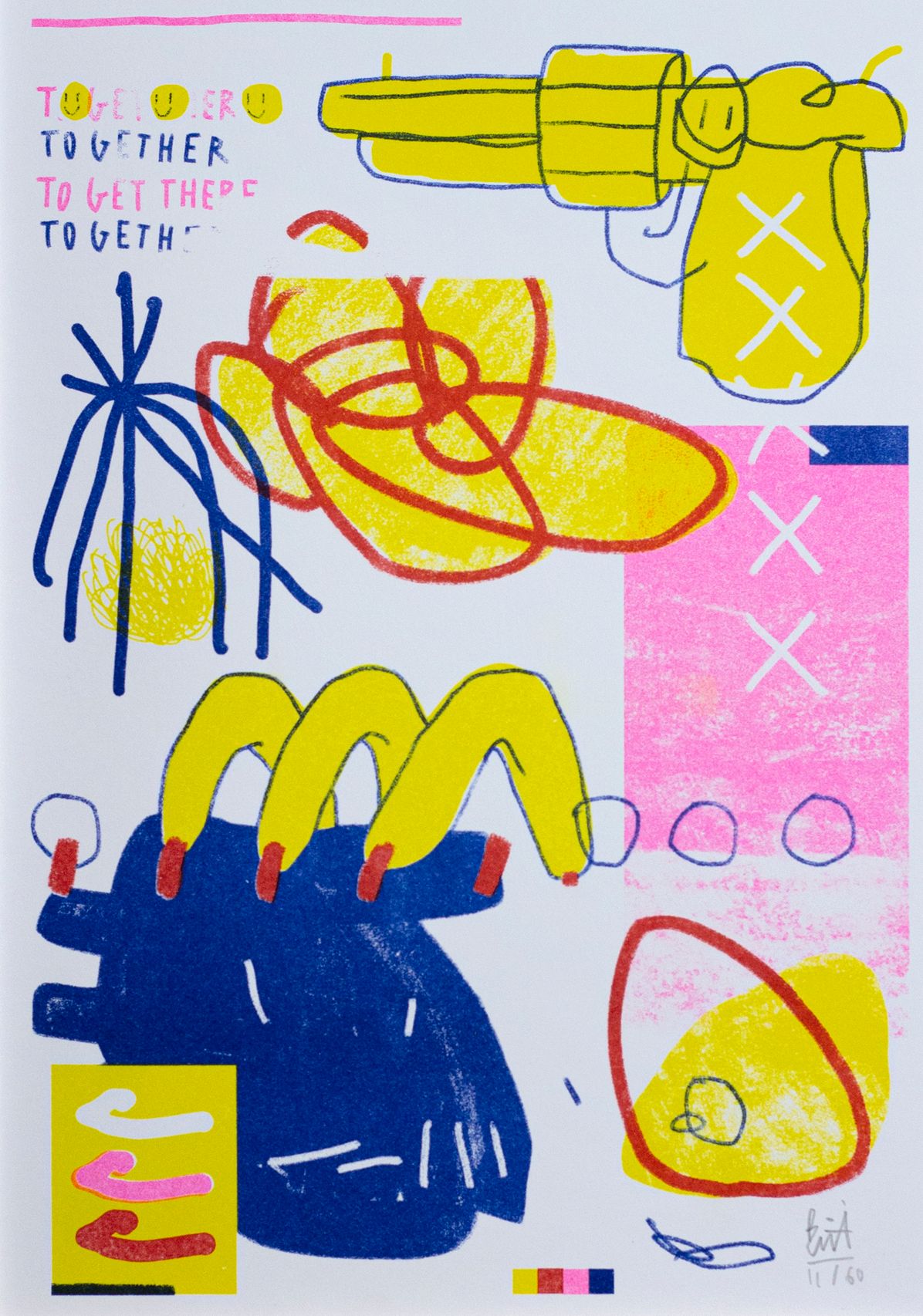
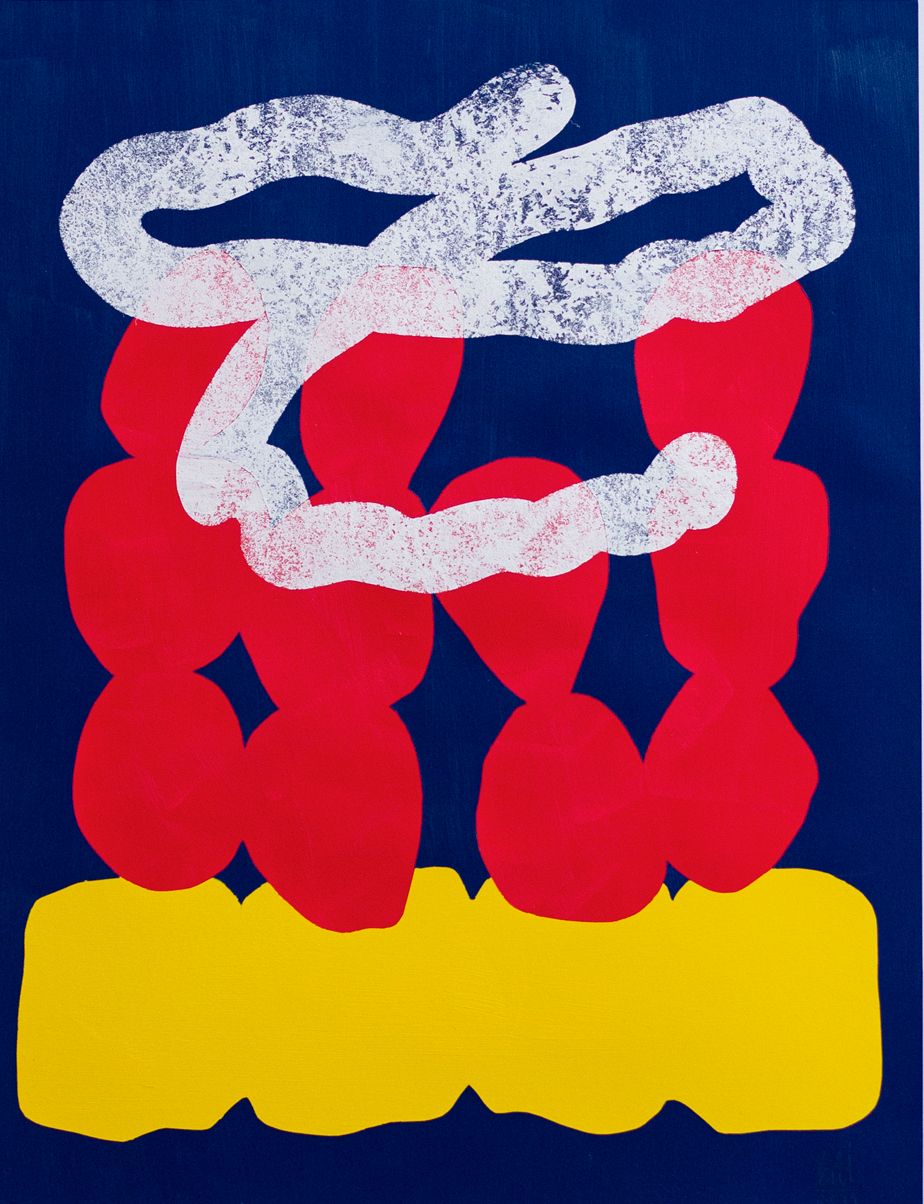
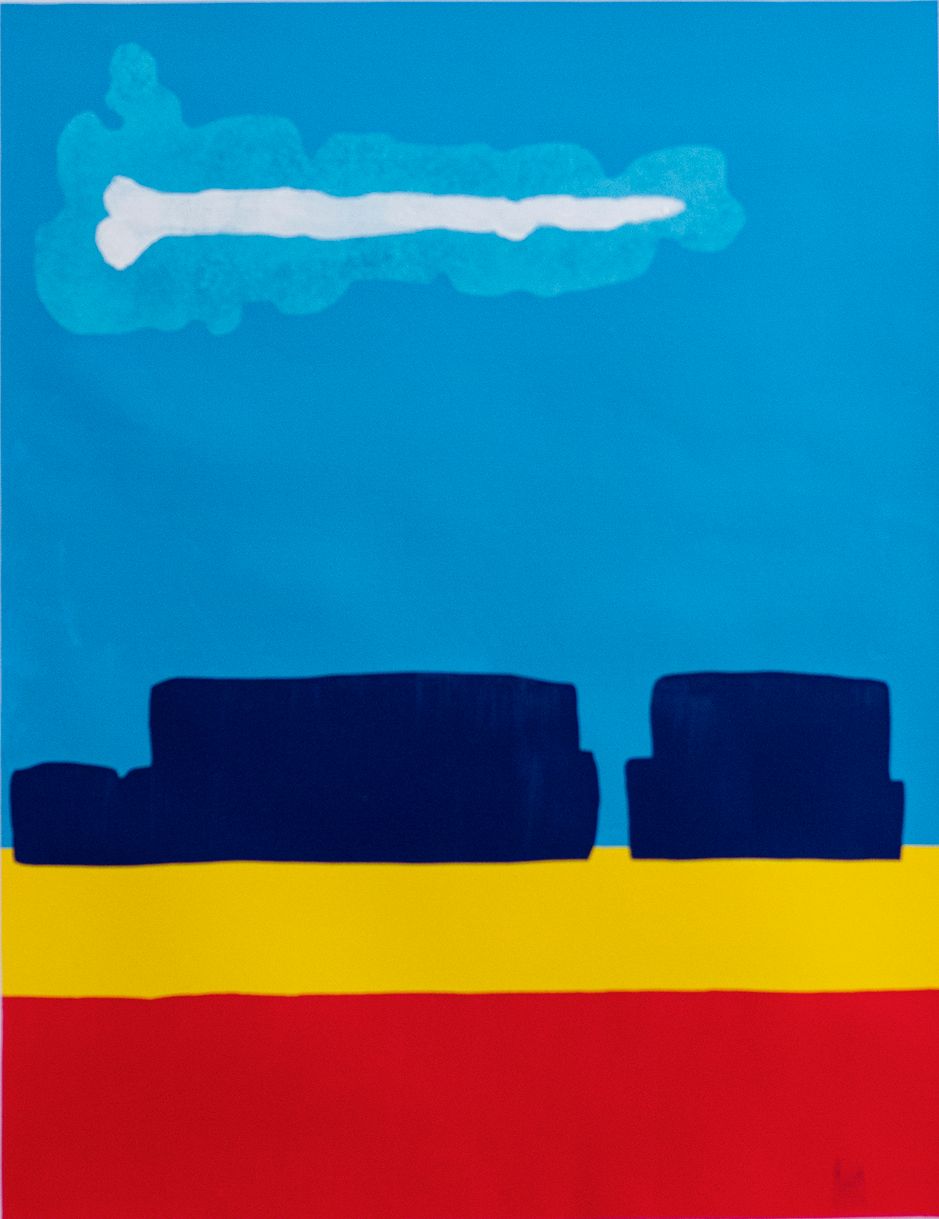
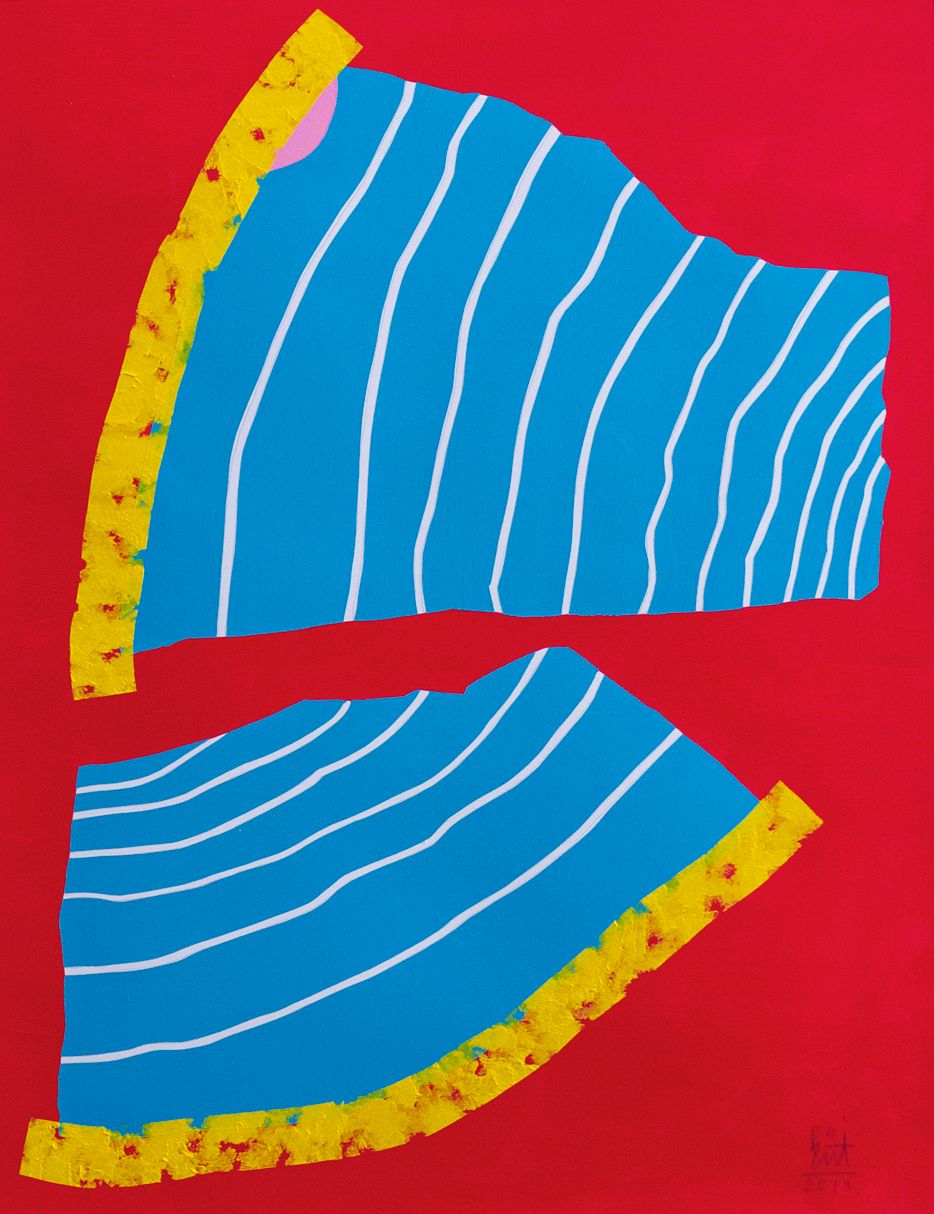
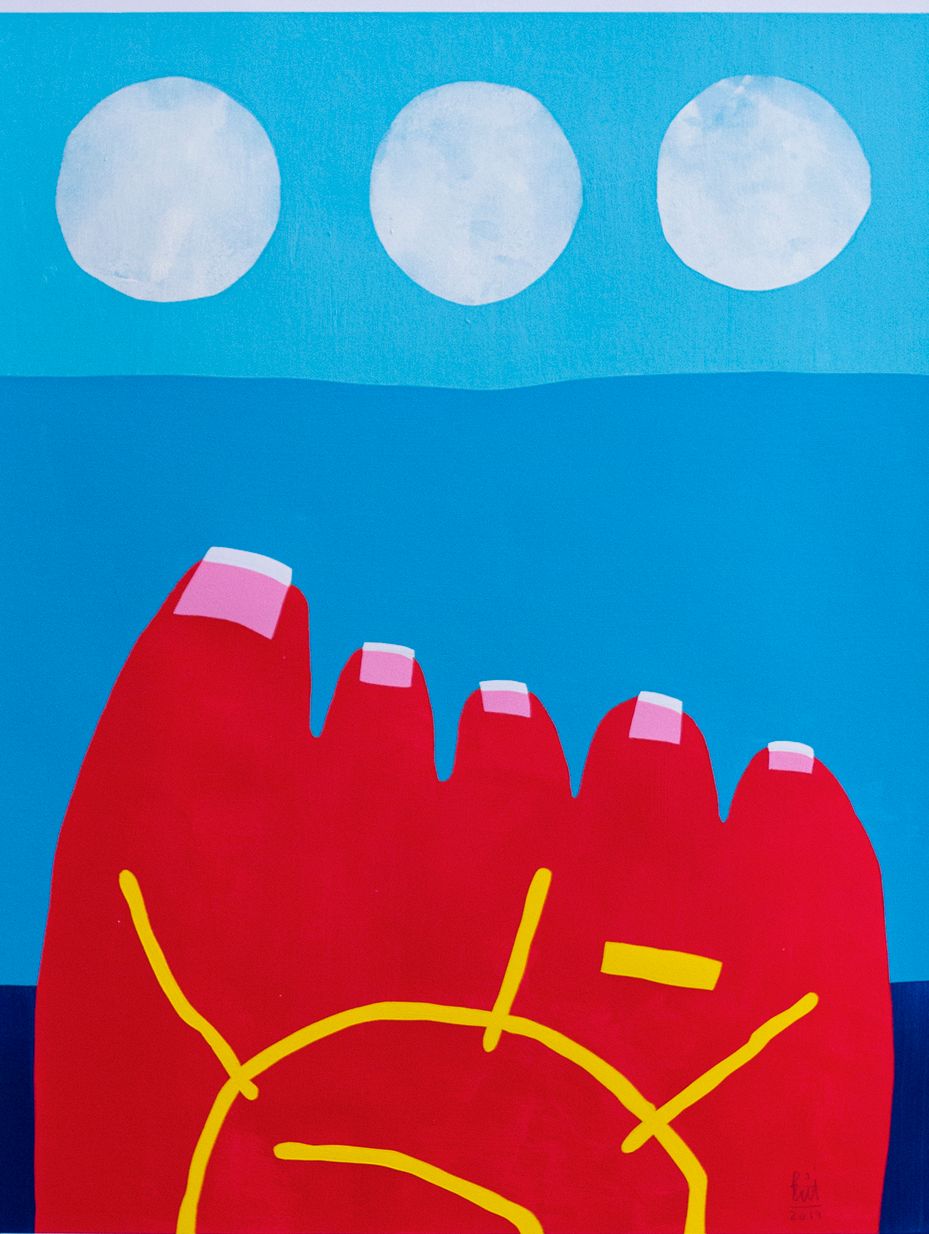
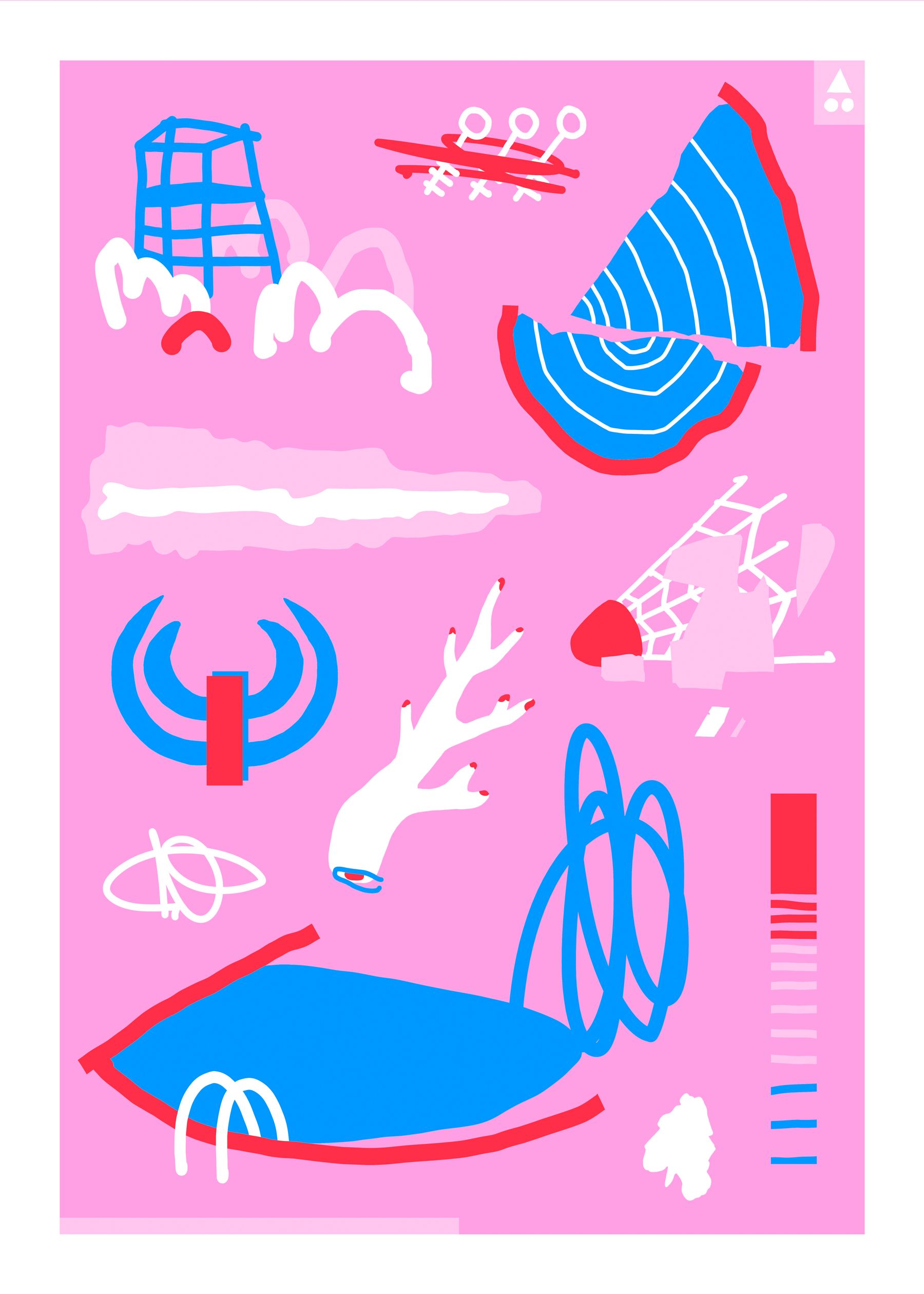
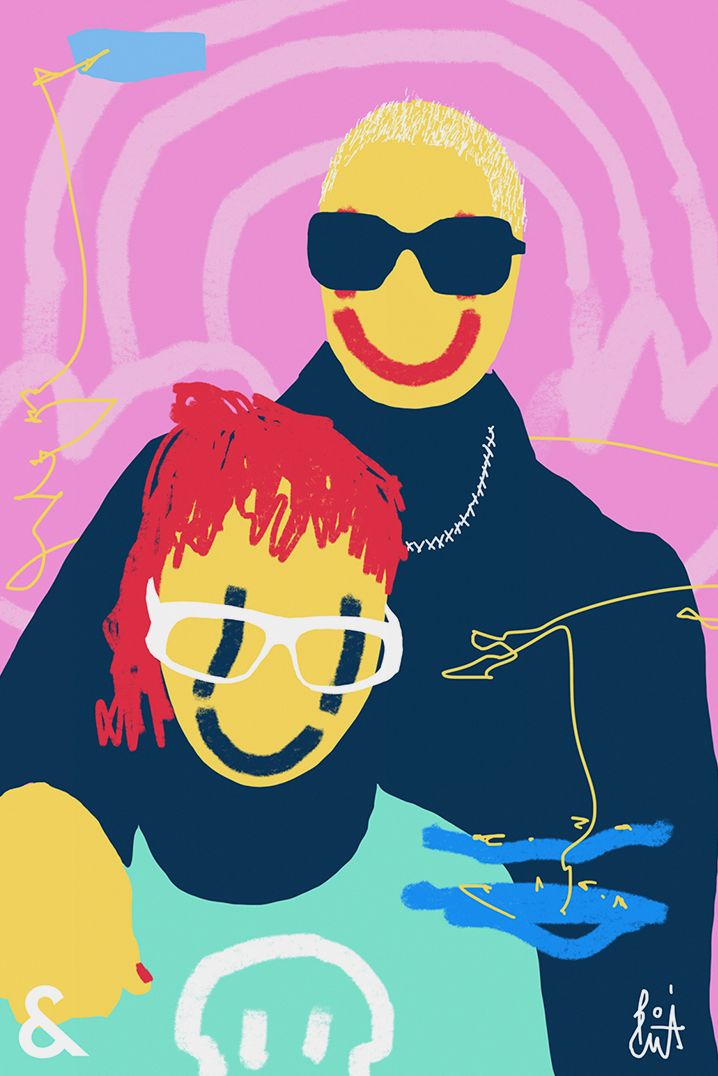
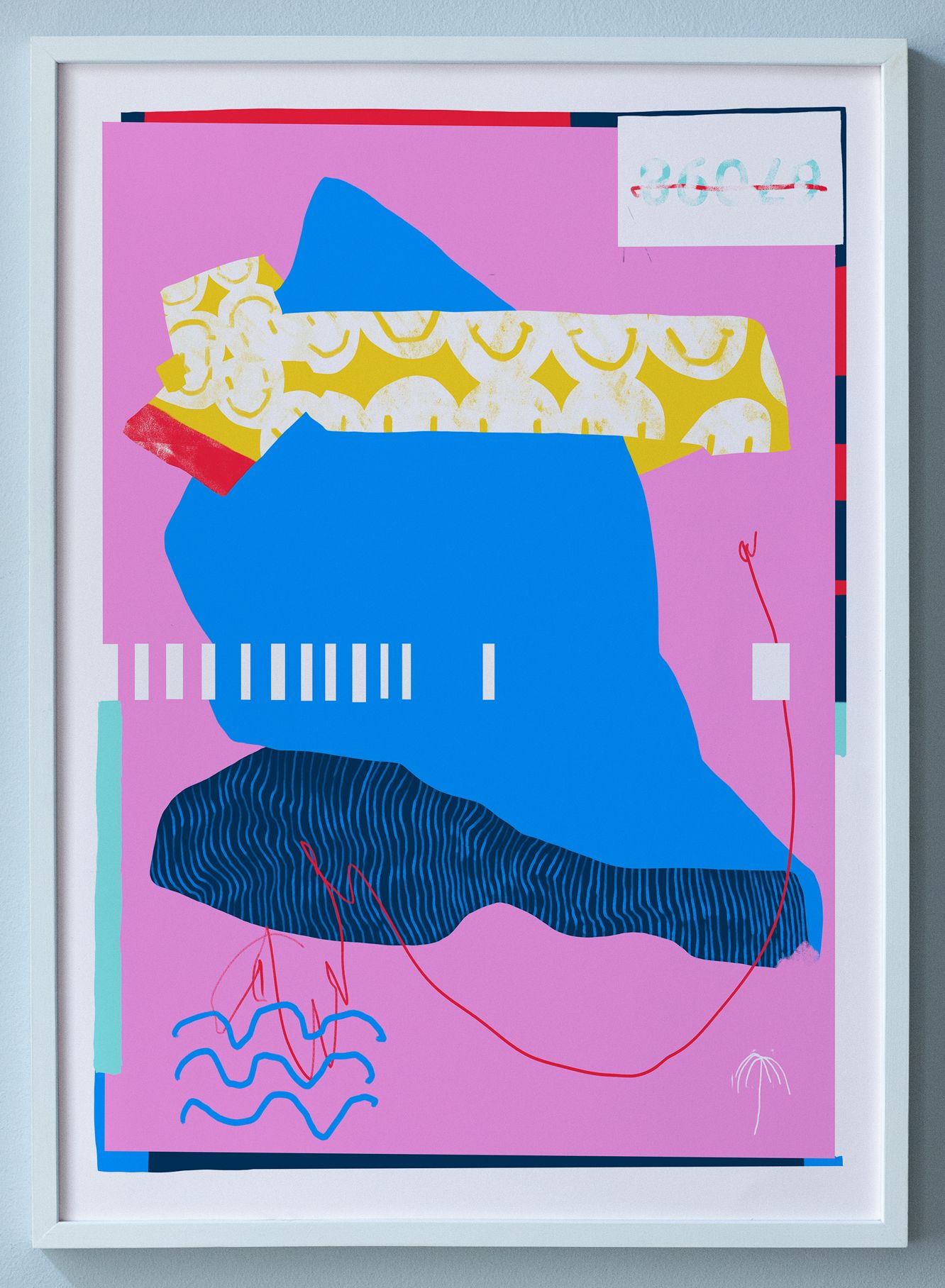
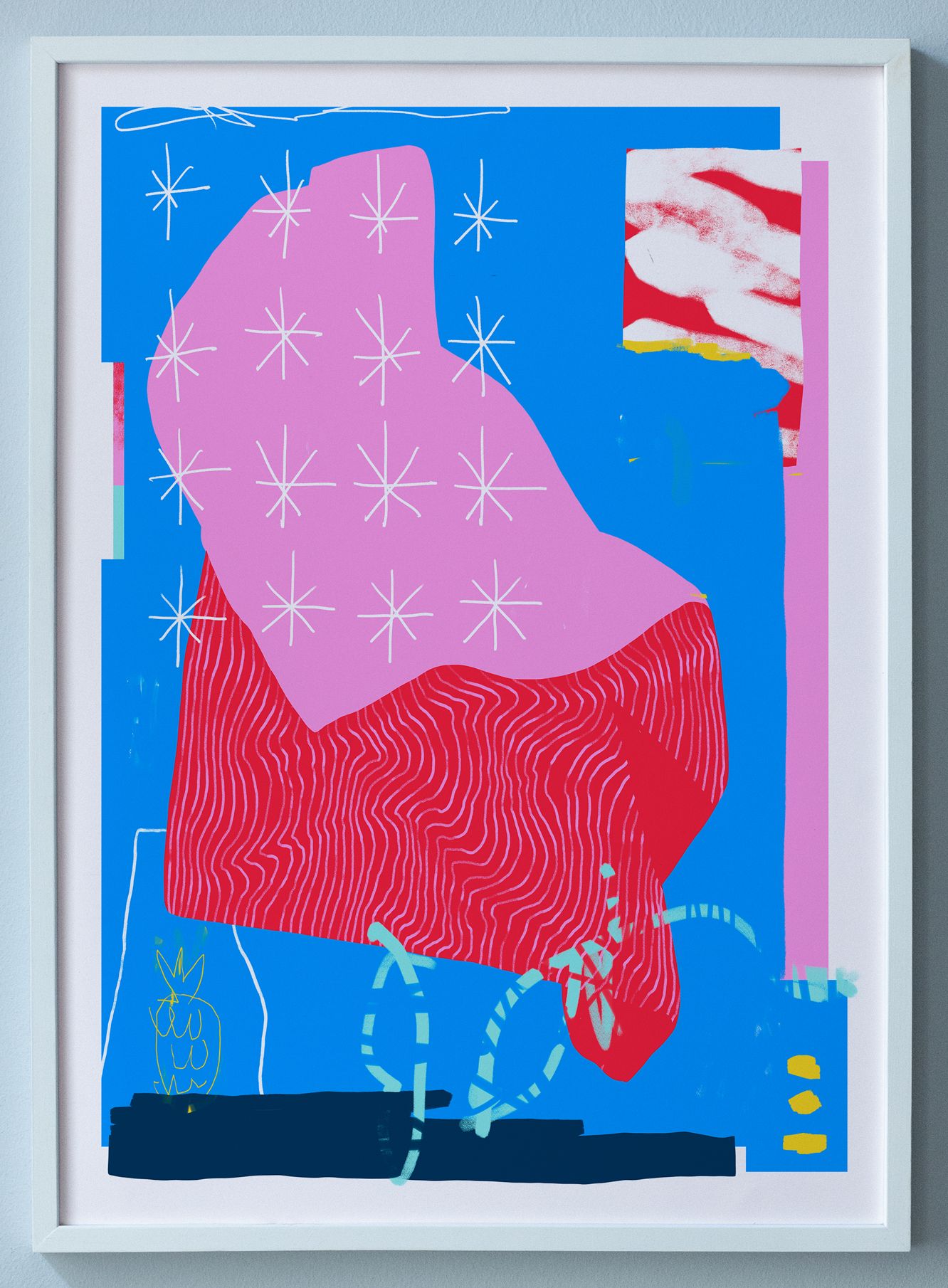
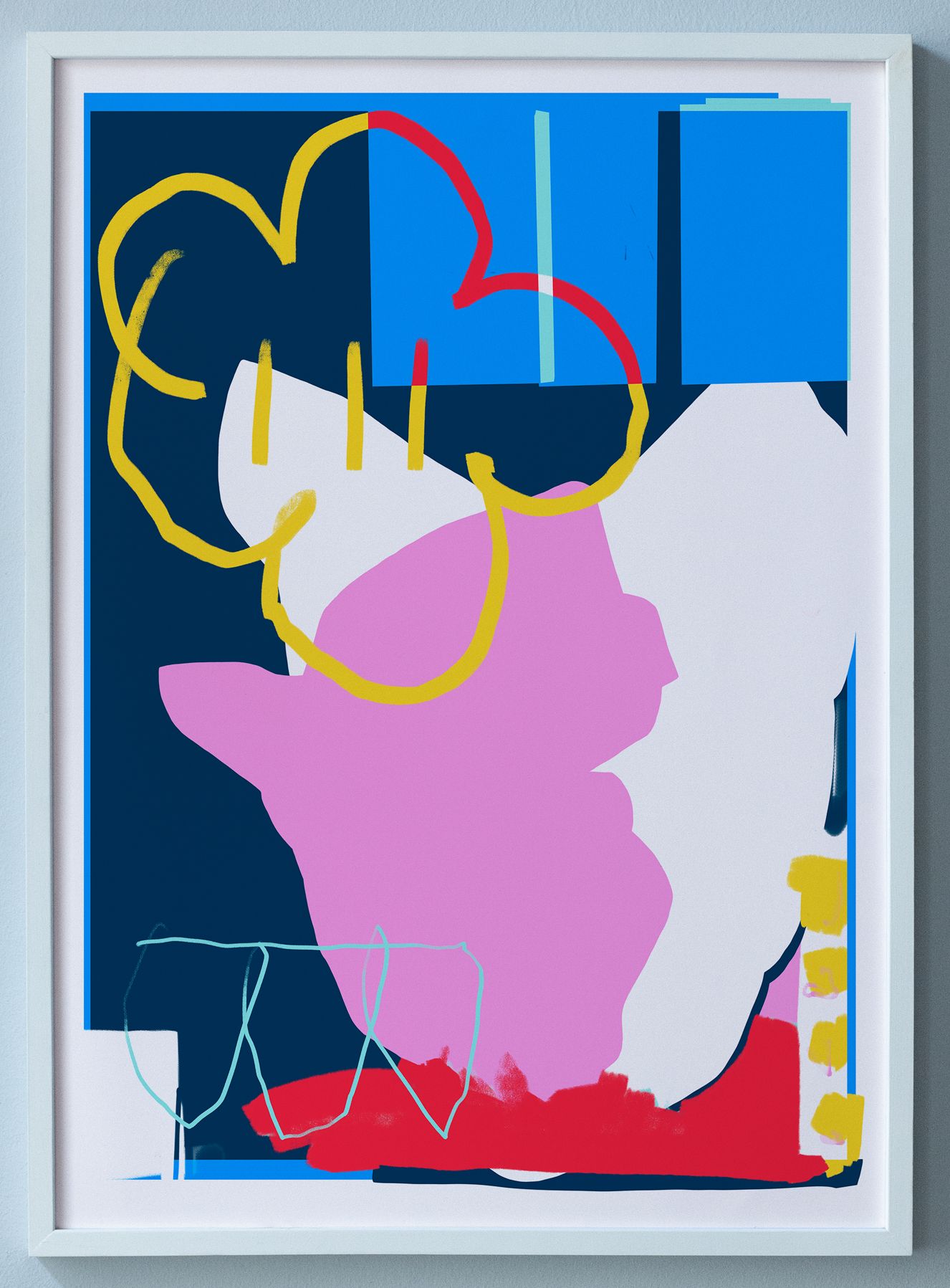
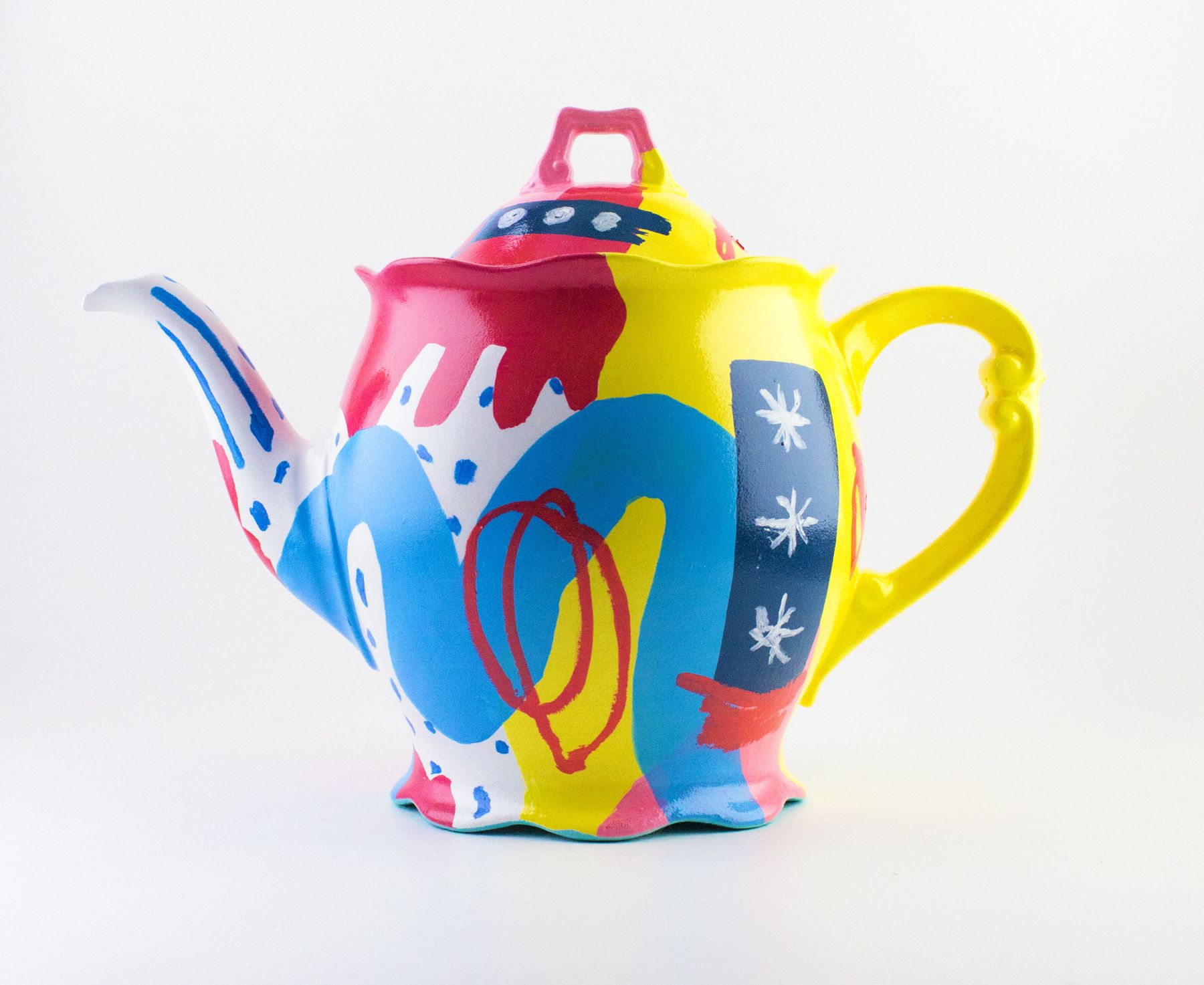
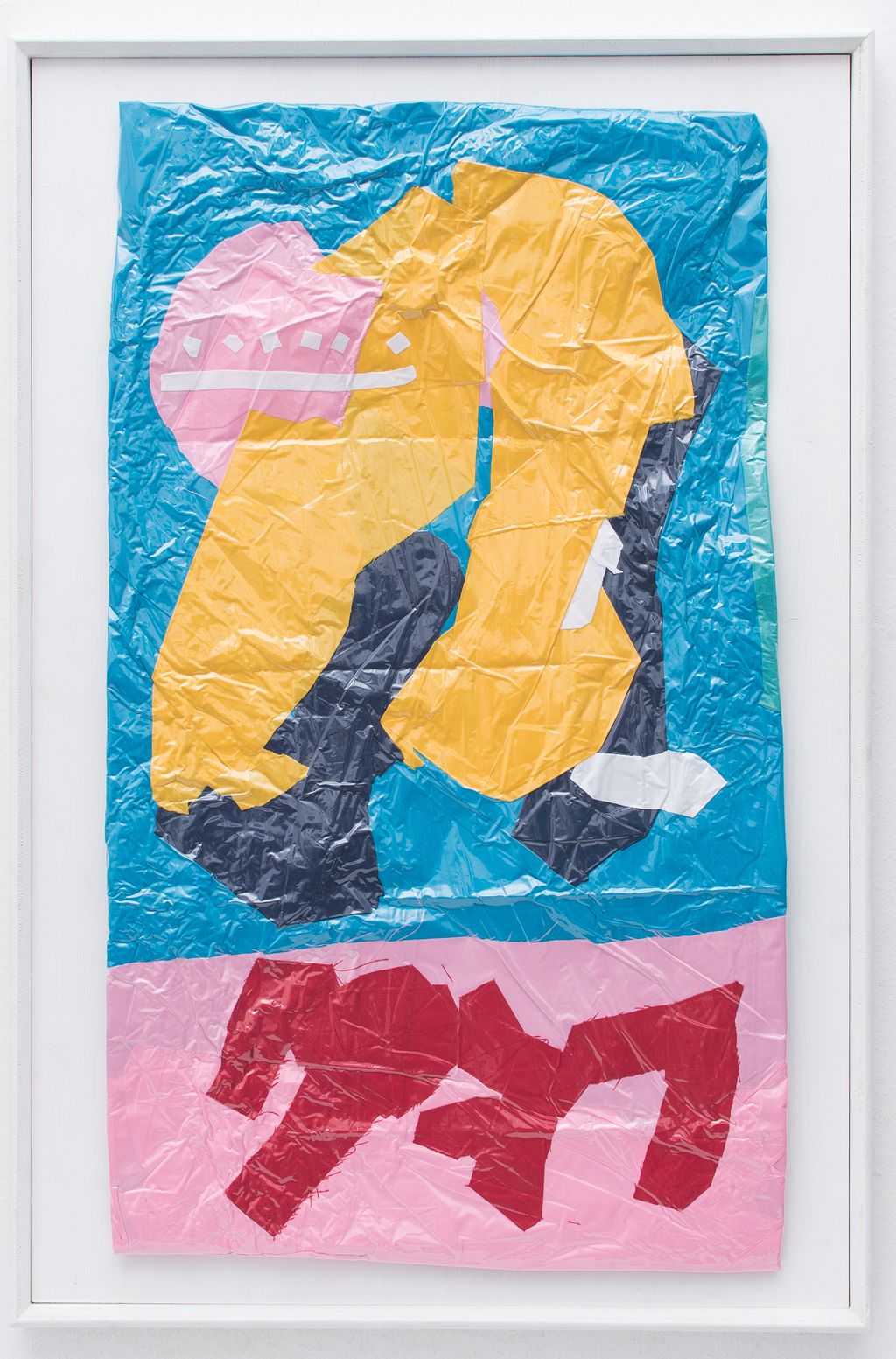
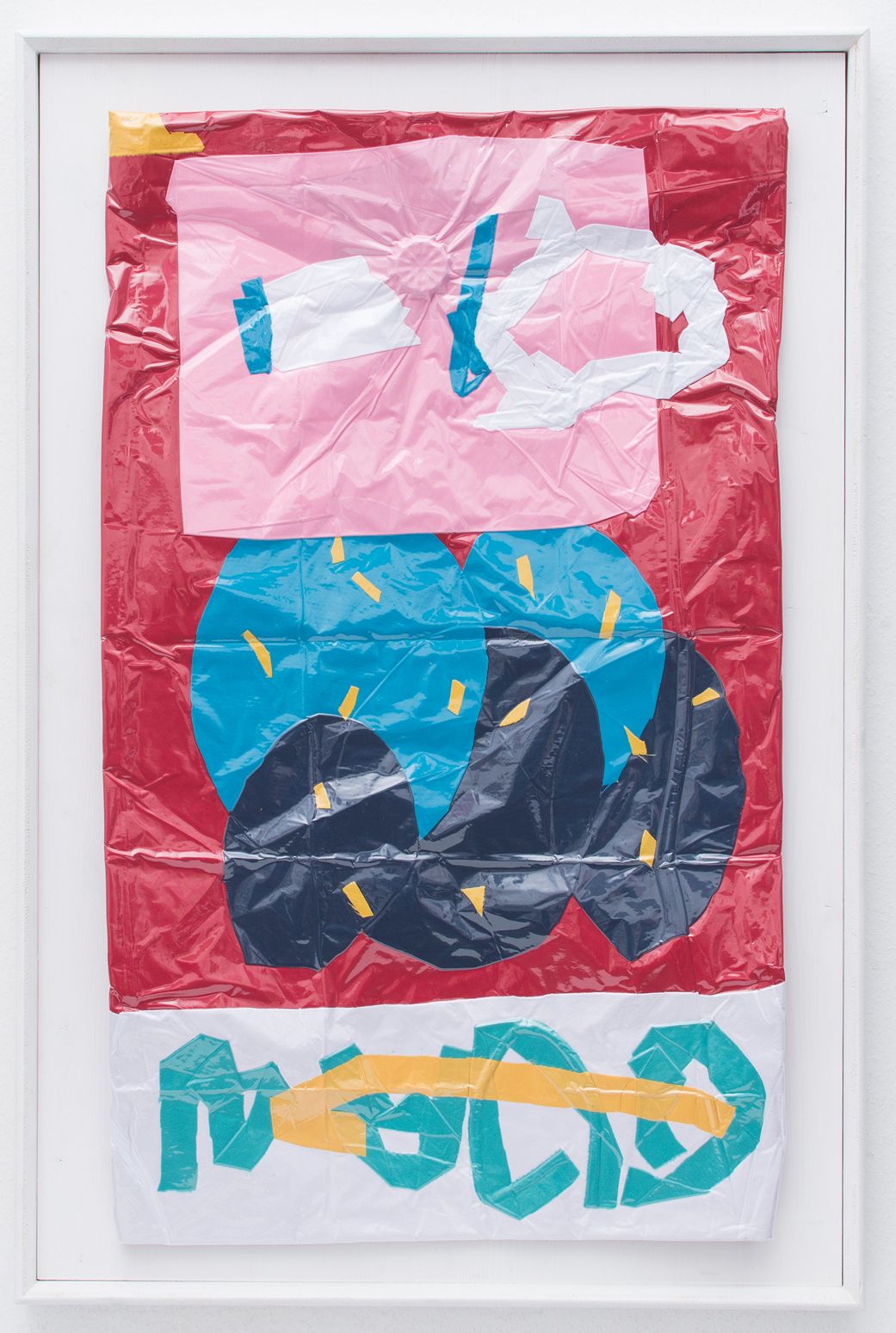
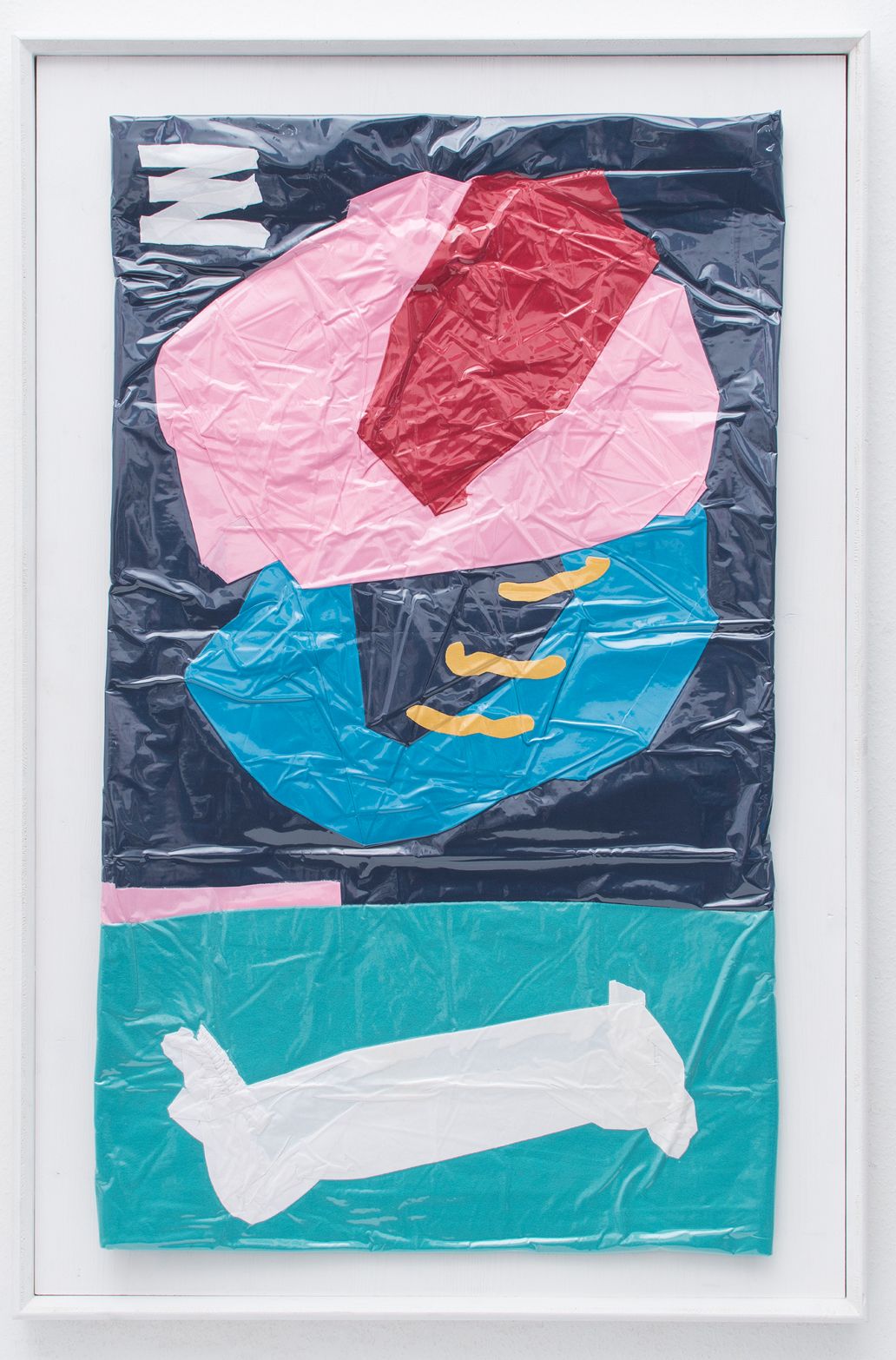
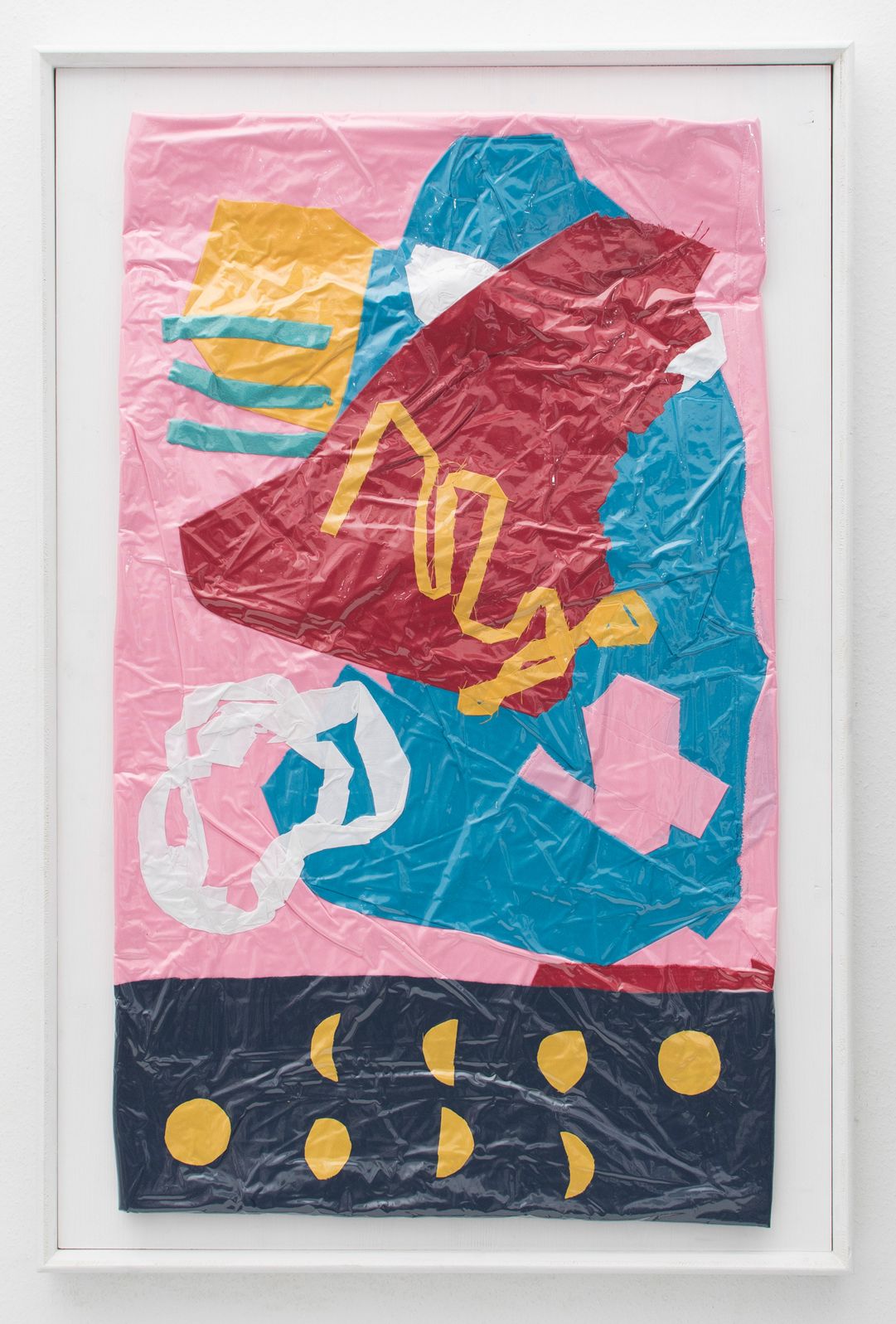
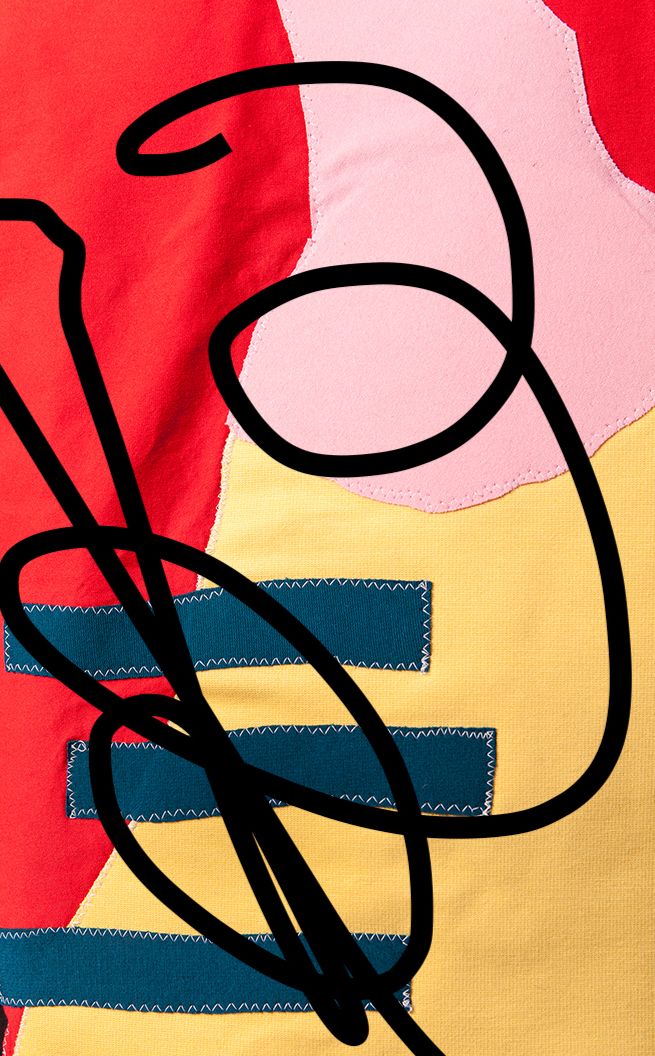
1/4
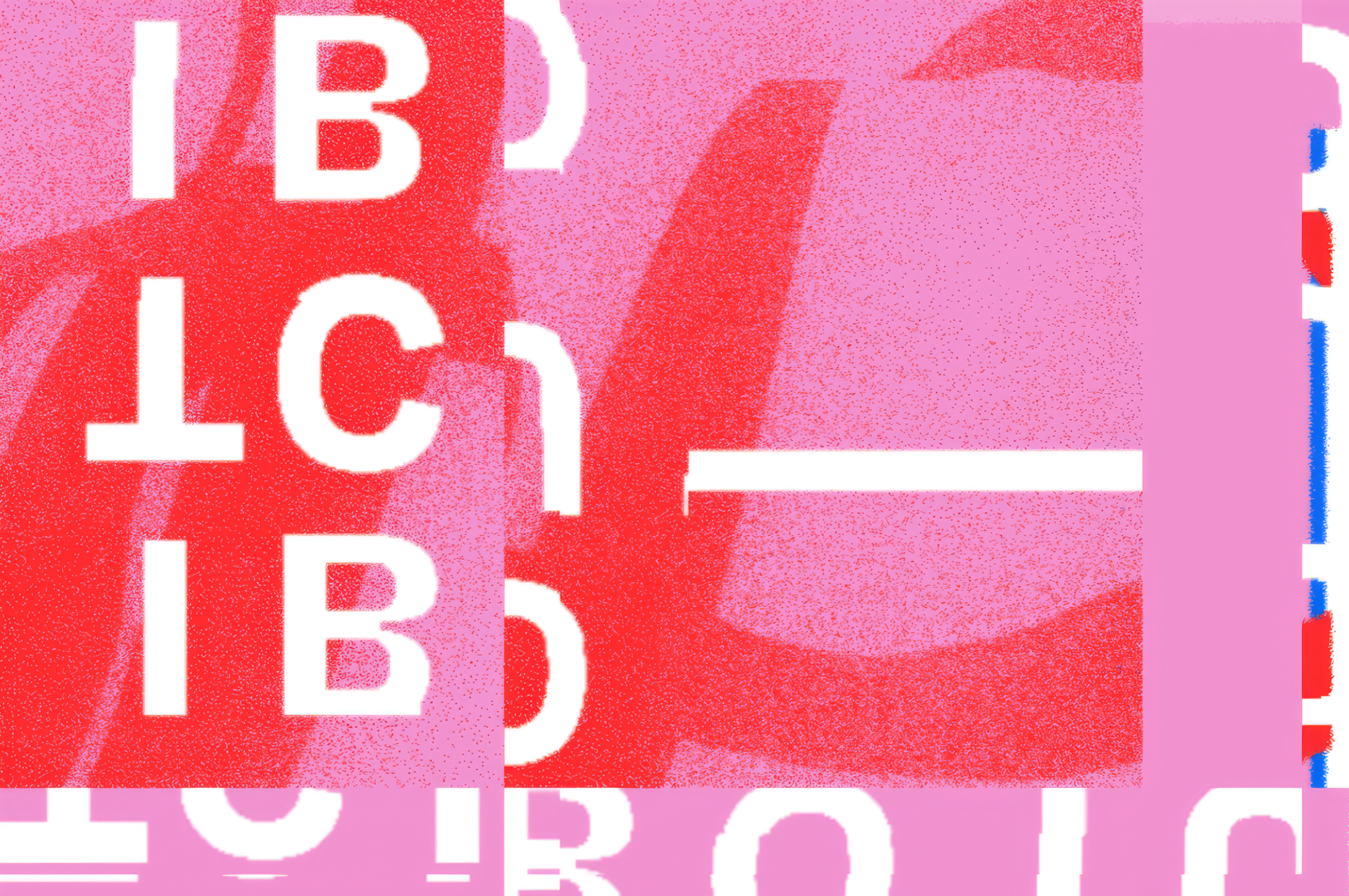
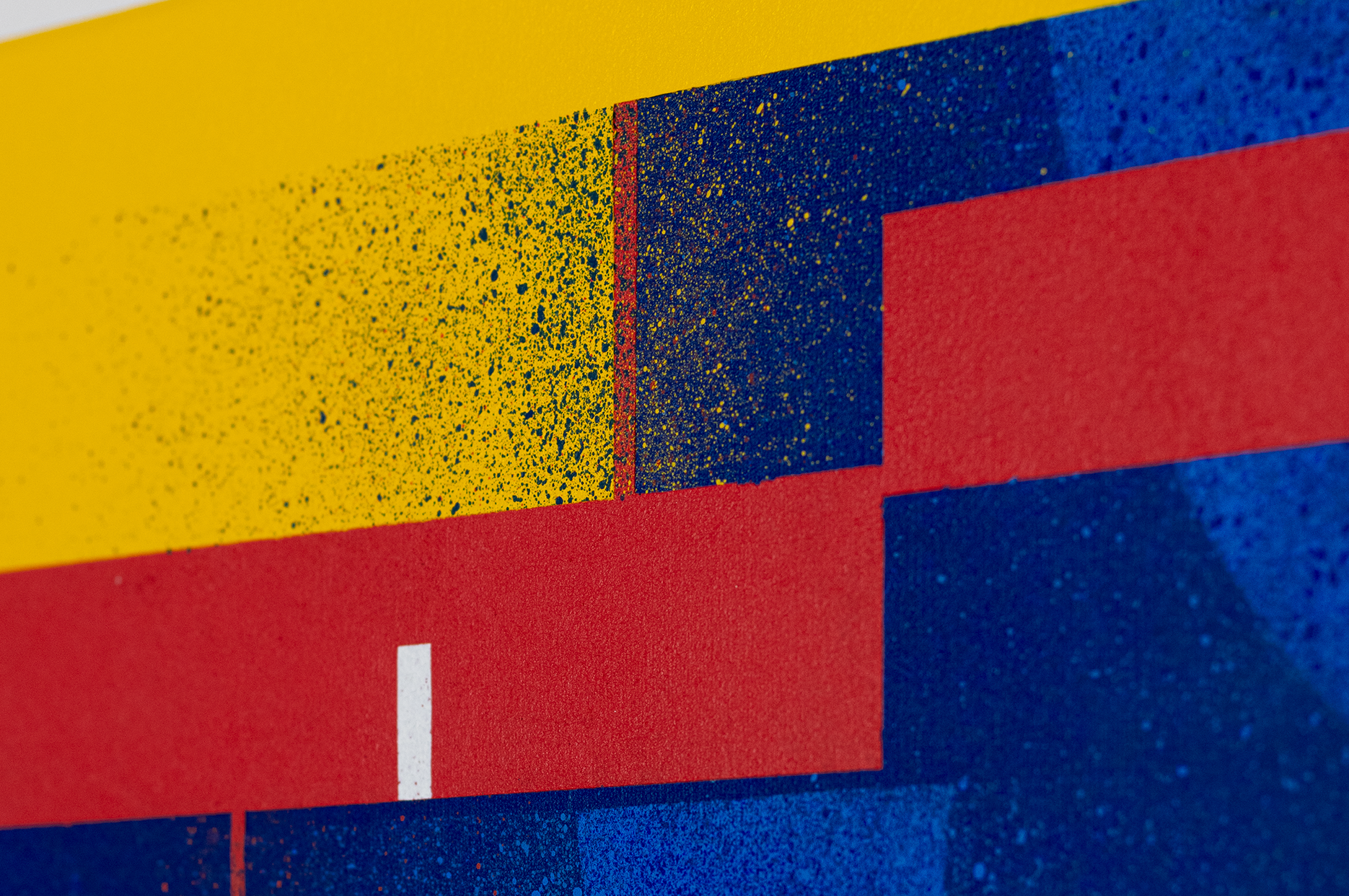
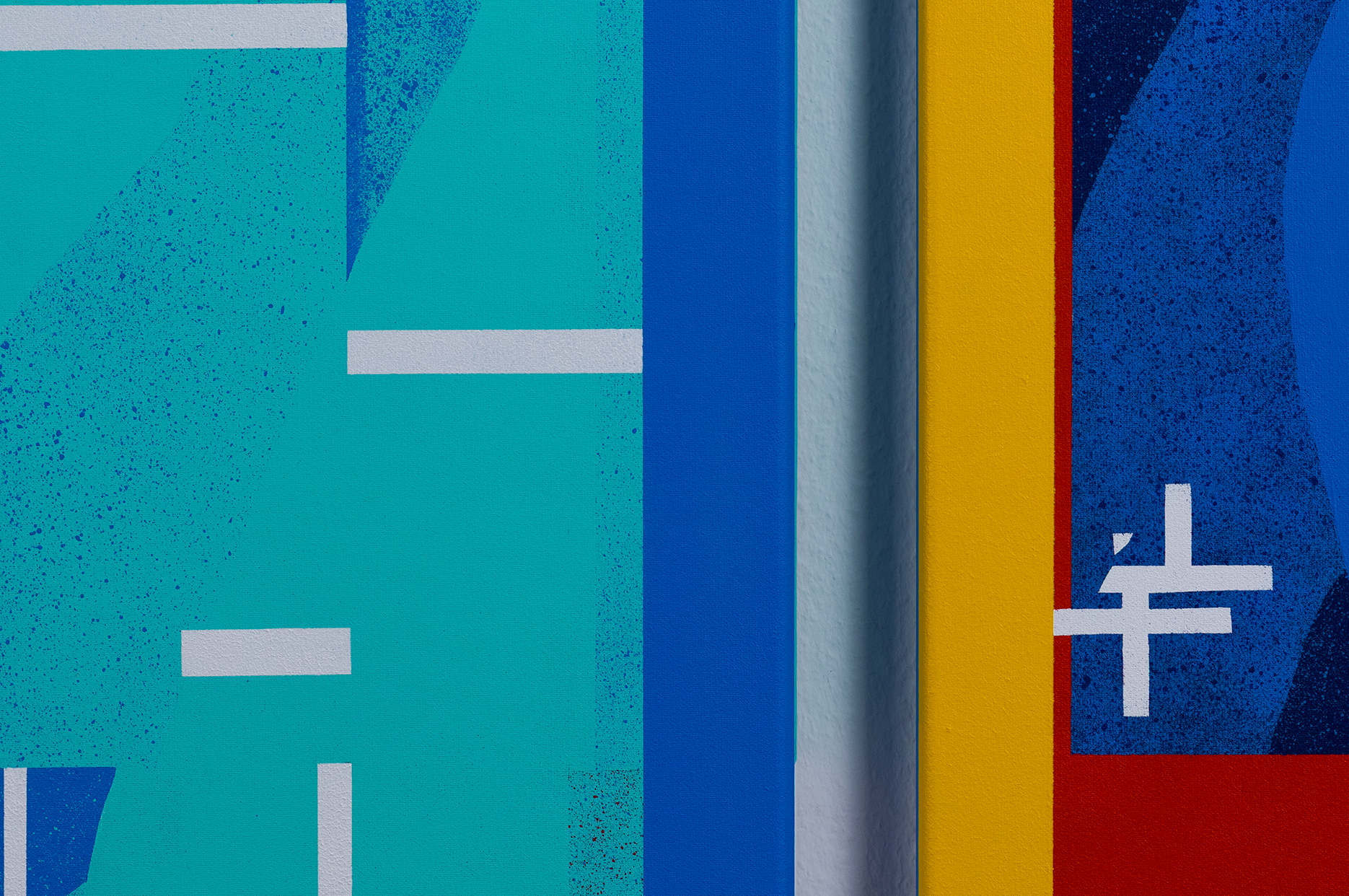
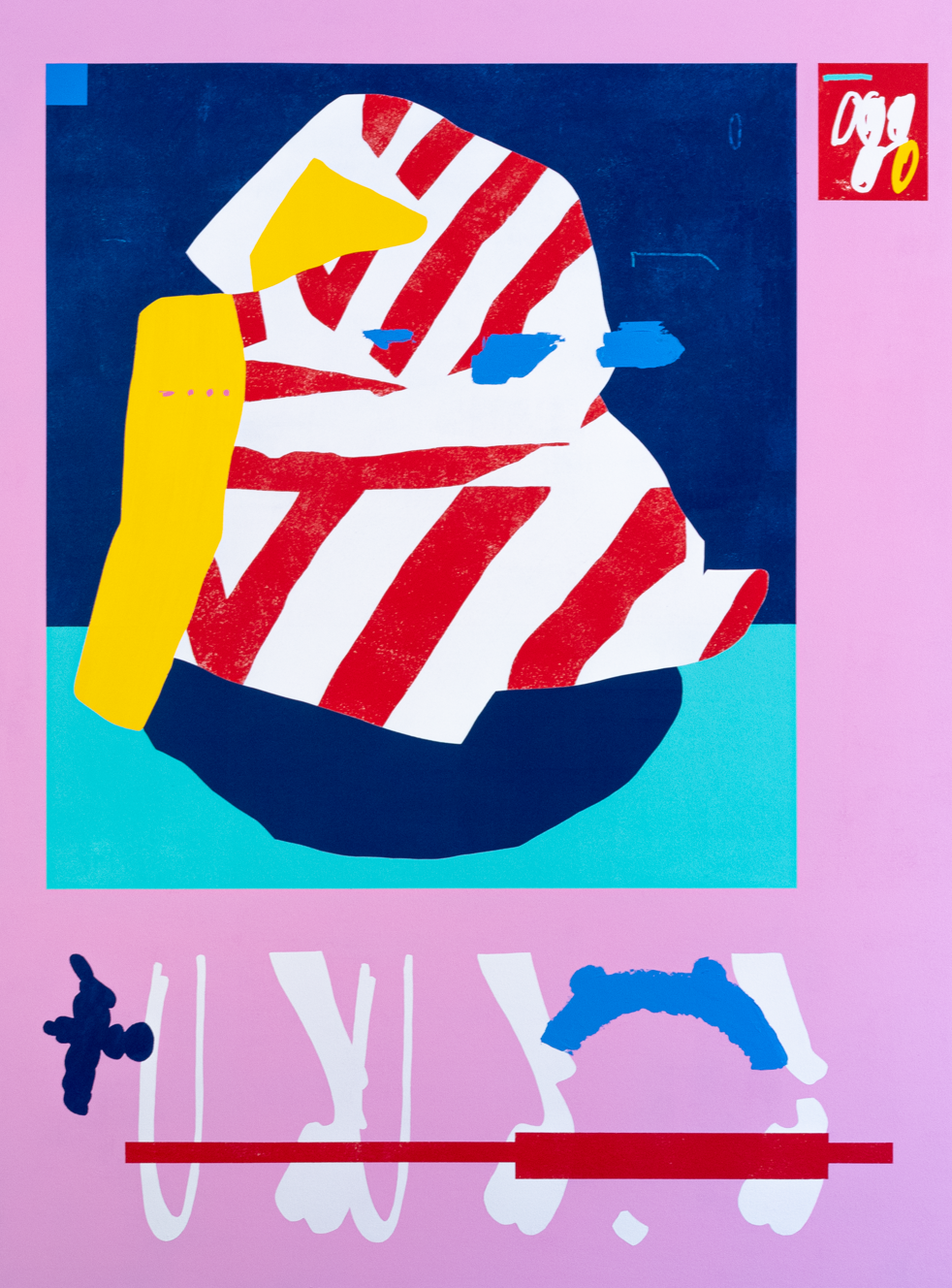
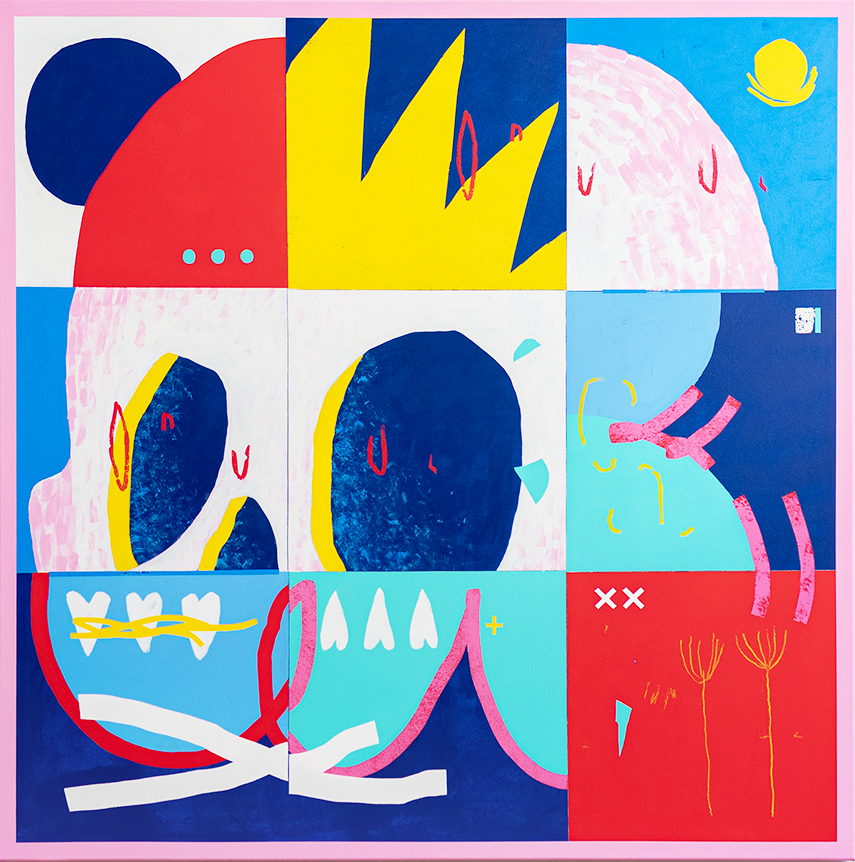
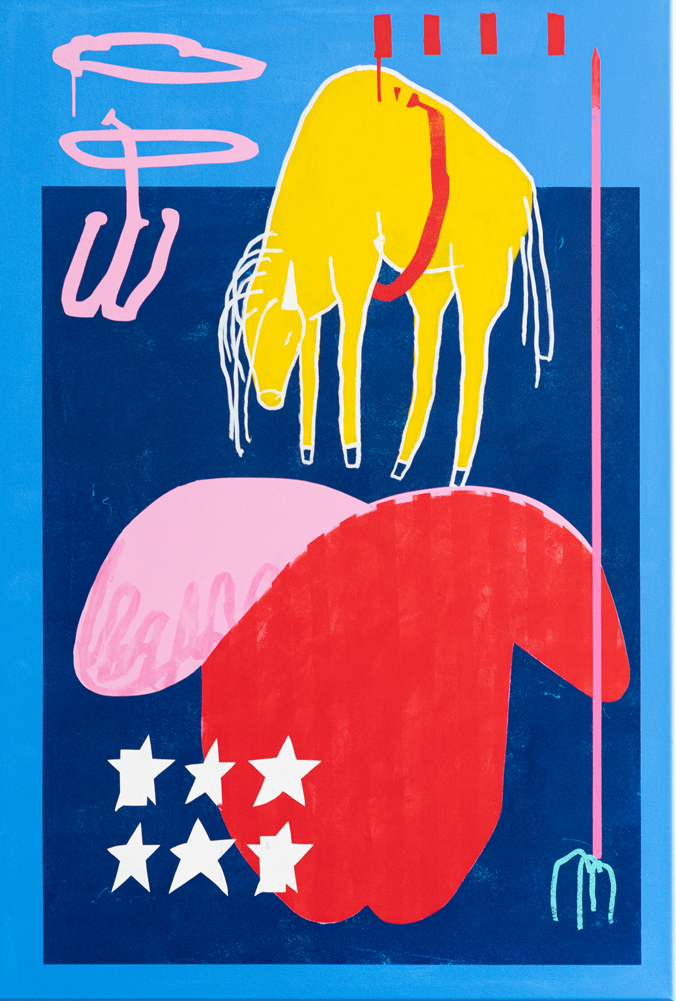
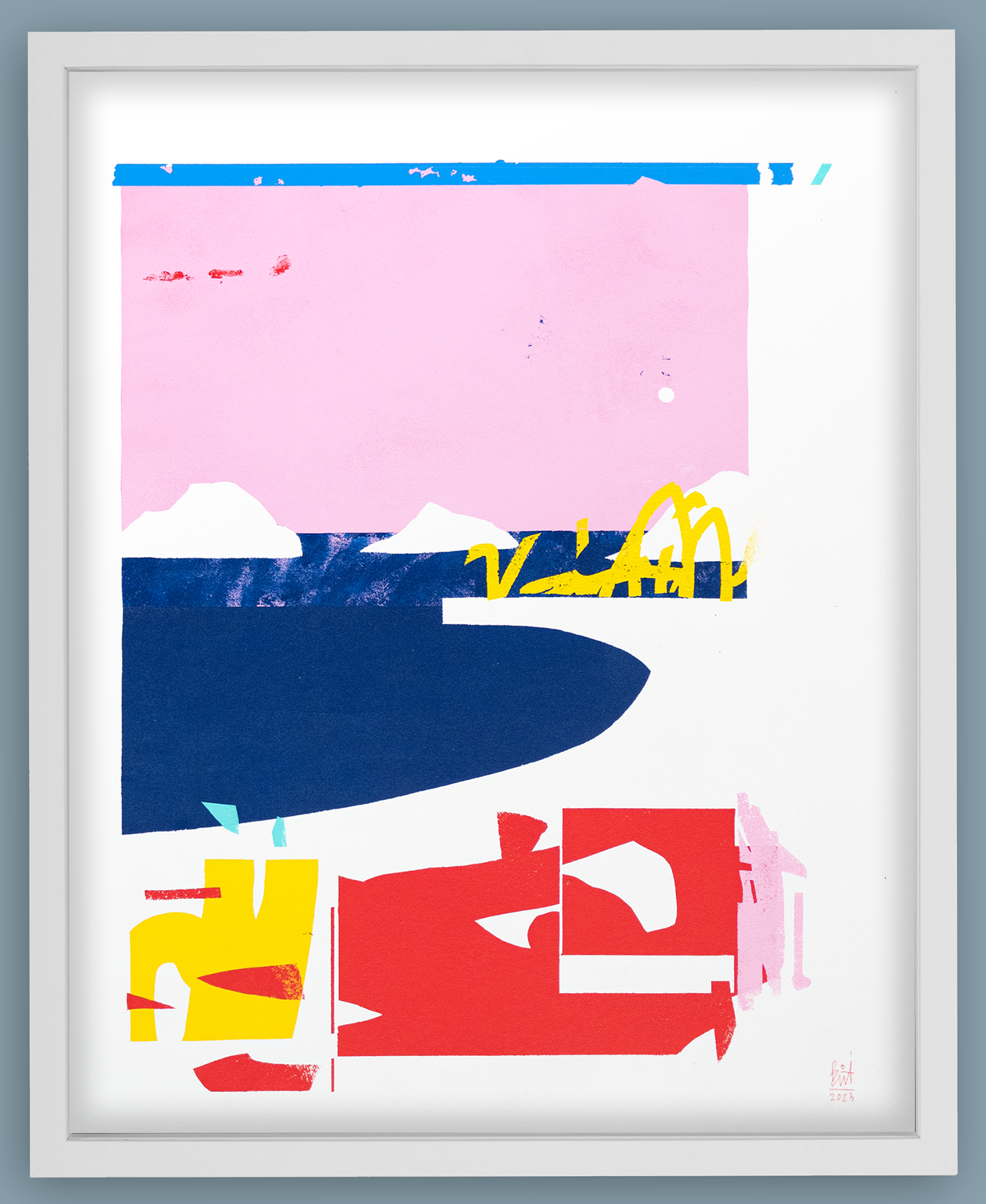
DISPLACEMENT Series
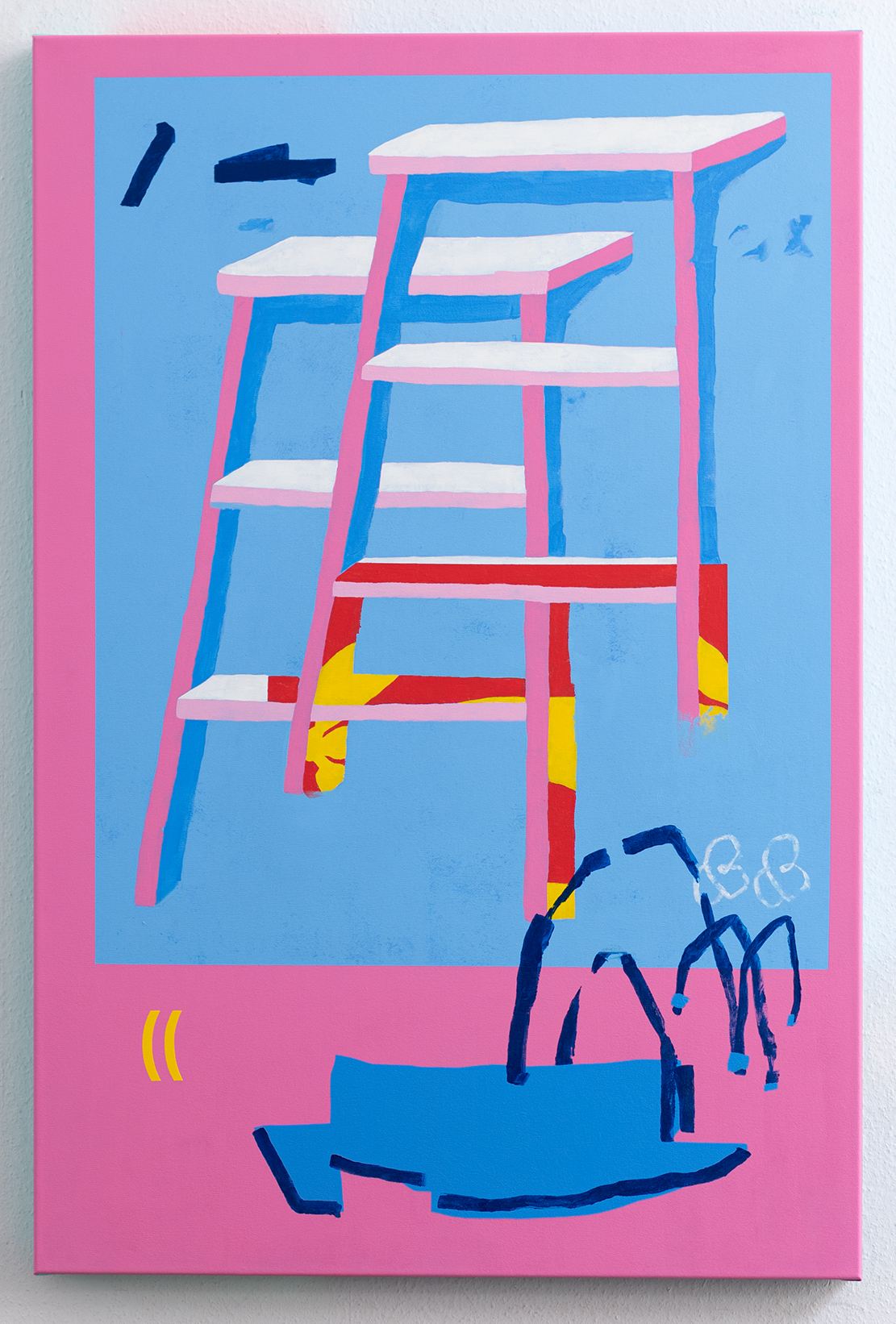
While the first painting of the Displacement Series was completed in early 2026, its underlying idea traces back to around 2021. At that time, I began exploring probability and randomness in music. Working with sequencers that incorporated chance-based functions, I was able to generate continuously evolving soundscapes within a defined grid of note triggers.
This exploration led me deeper into the history of experimental music, where I encountered the generative works of Brian Eno—both in sound and visual form. As someone who had become increasingly perfectionistic over the past 15 years, even in the earliest stages of sketching, the idea of relinquishing a degree of control in favor of structured randomness became deeply compelling. I began to question how I could introduce unpredictability into my process while making the act of sketching more playful and surprising.
In 2024, while searching for ways to merge my sound practice with my visual language, I discovered a node-based environment that allows visuals to be generated and modulated in real time through audio input. In spring 2025, I began building visual systems rooted in my existing aesthetic vocabulary. Soon after, I connected a synthesizer, allowing sound to directly shape moving images.
While preparing for my first public audiovisual performance in June 2025, I spent weeks developing visuals intensively. During this period, the conceptual foundation for what would become the Displacement Series emerged. I began constructing a new system, that would serve as the generative backbone of the artwork.
The second half of 2025 was dedicated to developing and refining this system: defining rules, adjusting parameters, and navigating periods of both clarity and doubt. After months away from painting, there were moments where I questioned the entire process. But then, a subtle shift in parameters led to results that exceeded my expectations – images that felt more precise and vivid than anything I had envisioned. For the first time, I felt a strong agency to translate these digital sketches into physical form.
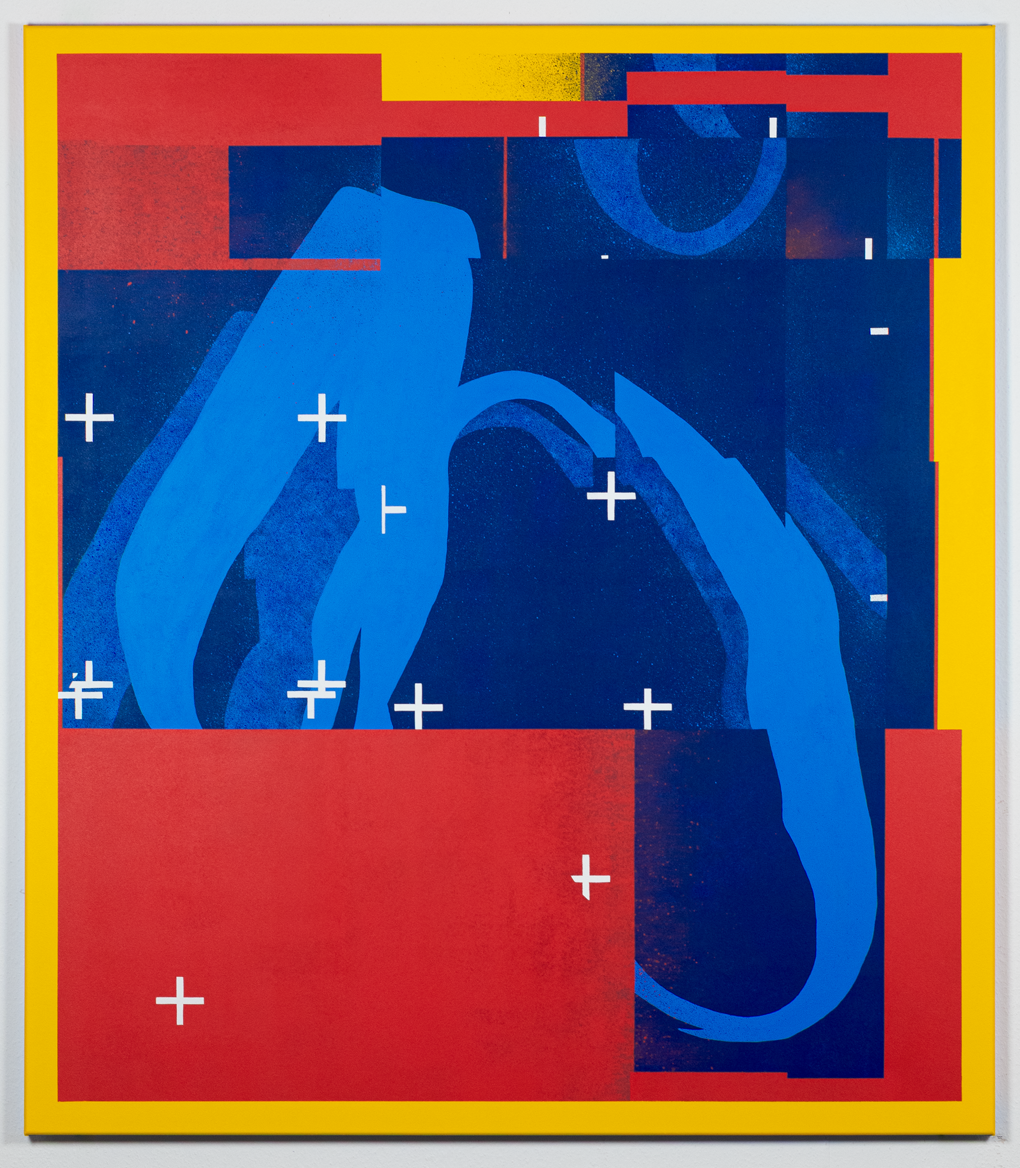
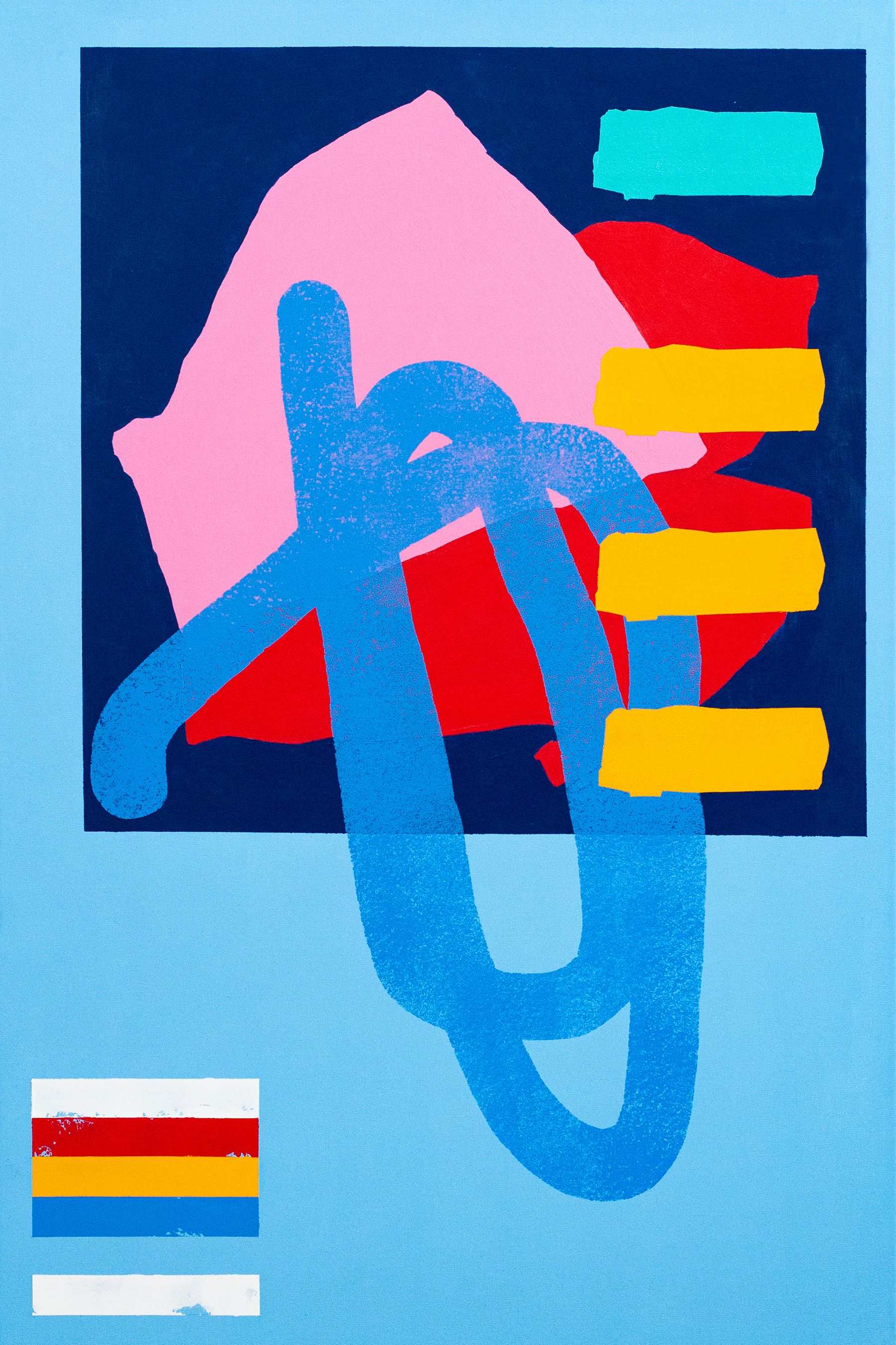
The visuals produced by the system contained stippled grain textures that required new approaches in painting. Over several weeks, I experimented with a range of tools – adapting everyday objects such as plant spray bottles while also building simple devices of my own, like a DIY mouth atomizer – to translate these qualities onto canvas. The first large-scale painting, RESET, became a proof of concept. The process was significantly more layered and complicated than in my earlier works.
After the final brushstroke, I sat with the painting for a long time – experiencing a sense of relief and clarity. The system works. The result felt both familiar and entirely new.
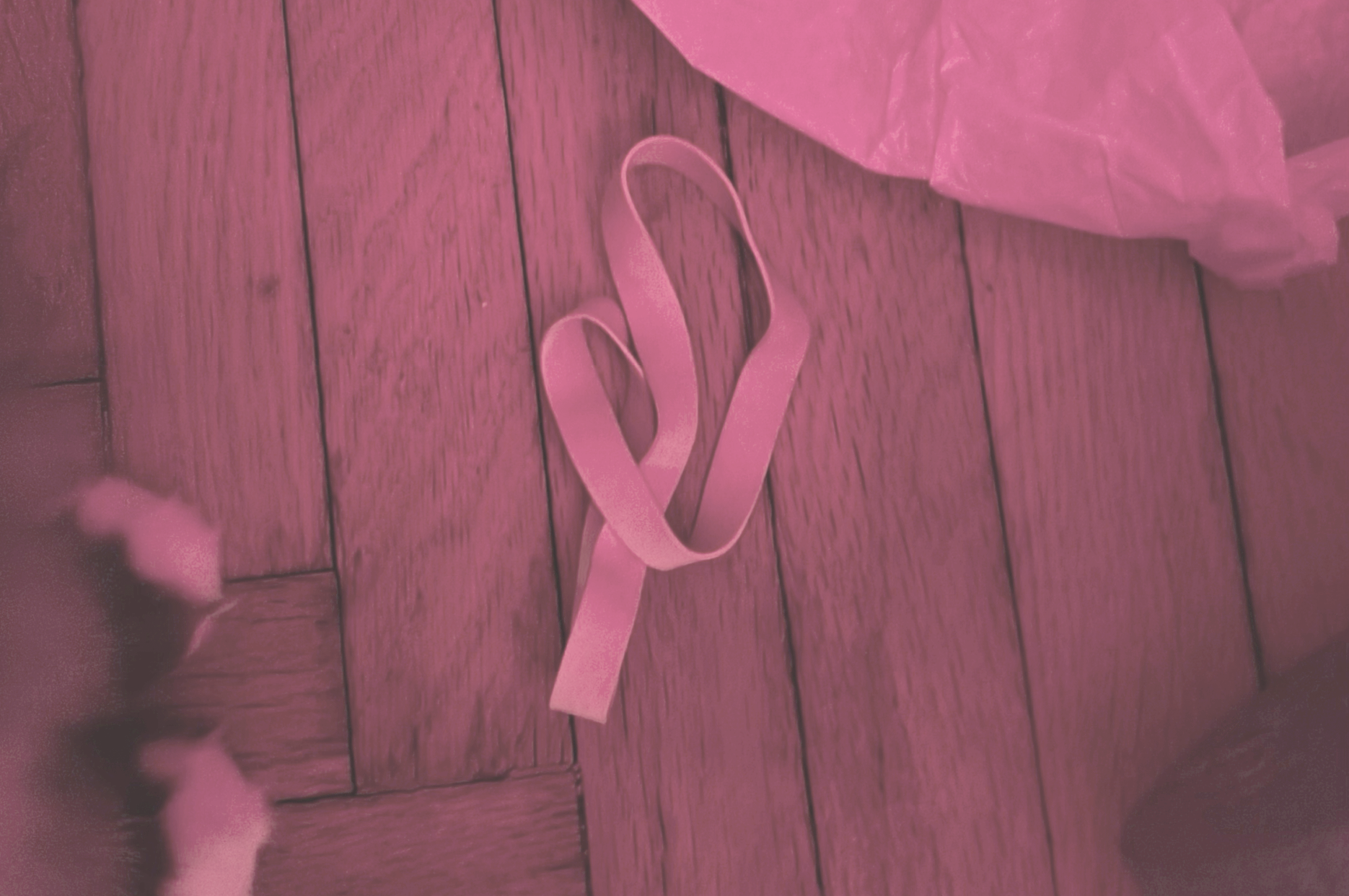
A recurring element in the early works of the Displacement Series is the form of a rubber band. Its origin is rooted in a simple, personal routine: returning home from the studio and playing with my cats. This small act became an important way to reset – especially during periods of doubt, where even a few minutes of play could dissolve tension and restore focus.
In these moments, the cats became collaborators. The rubber band, used as a toy, would fall into unpredictable shapes during play. I began documenting these forms, photographing them and feeding them back into the system as source material. In this way, chance, interaction, and instinctive movement directly inform the visual outcome.
Ultimately, the Displacement Series brings together multiple aspects of my practice: a shift in workflow, the integration of controlled randomness, and the development of new technical and painterly approaches. At its core, the series is shaped through collaboration – between system and intuition, between control and chance, and quite literally, with my cats.